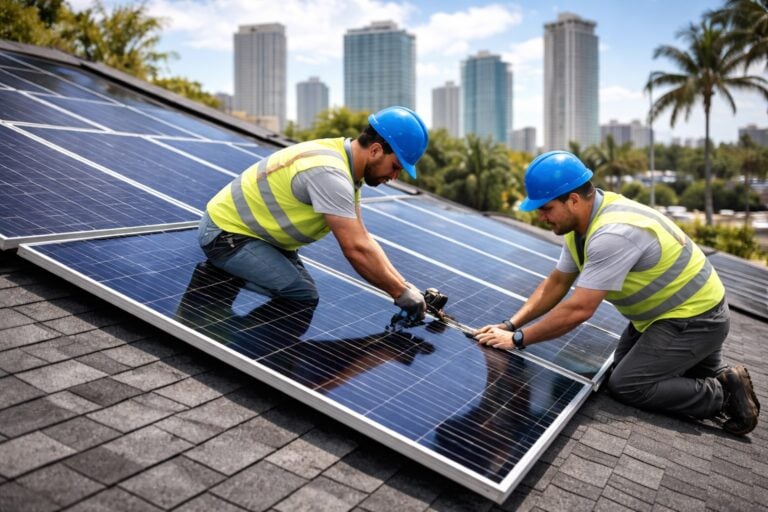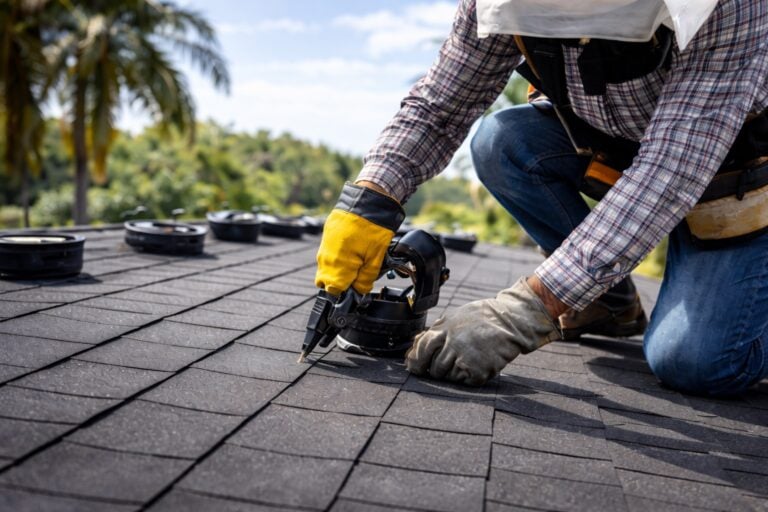
In Tampa, solar is “worth it” when the roof, utility billing, and your energy use align. We see homeowners win big when the roof is solar-ready, the layout is clean, and the math is honest. That’s exactly where Steadfast Roofing comes in: making sure the roof stays watertight, wind-tough, and built for decades of Florida heat.
The Tampa Solar Snapshot: When It Makes Sense (and When It Doesn’t)
Solar in Tampa tends to pencil out best when most of these are true:
- High daytime usage (work-from-home, pool pump, EV charging, big AC loads)
- Good roof sun access (minimal shade, simple roof planes, room to place panels cleanly)
- Stable plan to stay put (solar payback is a multi-year game)
- A roof with life left (or a plan to replace it first)
Solar gets less attractive when:
- Your roof is near the end of its life and would need removal and reinstallation later
- Heavy shade dominates prime roof planes
- Your usage is low, or most of it happens at night without a battery
- You expect to move soon, and the buyer market for solar terms is uncertain
Tampa Sun Is Real, but Roof Geometry Runs the Show
Tampa has plenty of sunshine, but production is driven by practical placement, not vibes:
- Orientation: South-facing is typically the strongest producer, but west and east can still perform well depending on your load profile.
- Pitch: Many Florida roofs already sit in a productive pitch range. What matters more is the usable area and shade.
- Shade: One mature oak can turn “great system” into “meh system” fast.
The cleanest installations usually occur on large, uninterrupted planes, where arrays can be symmetrical and attachments properly flashed and sealed.

What Solar Costs in Tampa (Installed) and What Moves the Price
Pricing changes constantly, but the cost drivers stay pretty consistent:
- System size (kW): Bigger systems cost more, but the cost per watt can improve with scale.
- Roof complexity: Steep pitch, multiple facets, limited access, and fragile surfaces raise labor time.
- Panel and inverter choice: Premium equipment, microinverters, and higher-efficiency panels typically cost more.
- Battery storage: Adds high cost but can provide outage protection and greater self-consumption.
- Electrical upgrades: Older homes may need panel upgrades, service changes, or added disconnects.
One underrated cost lever is the roof itself. A solar install is only as good as what it’s bolted to.
TECO Net Metering in Tampa: The Billing Detail That Changes the Math
If you’re in Tampa proper, you’re often dealing with TECO. Their “connect your solar” guidance explains that excess generation sent to the grid is credited at the customer’s current retail energy rate, which is a significant factor for ROI because retail credit is far better than wholesale buyback. See TECO’s overview of how net metering credits work when you connect your system.
What this means in plain English:
- When your panels overproduce mid-day, you can bank credits.
- When you underproduce (at night, during storms, or in winter dips), those credits help offset usage.
- Your personal win depends on how closely your solar production matches your consumption pattern.
The 2026 Incentives Reality: The Federal Credit Changed, So Timing Matters
This is where many outdated articles trip people up.
The IRS states that the Residential Clean Energy Credit was 30% for systems placed in service from 2022 through December 31, 2025, and is not available for property placed in service after that date. That means a brand-new 2026 install may not qualify under the homeowner version of that federal credit. Review the IRS guidance on the Residential Clean Energy Credit timeline and eligibility.
Important nuance:
- If your system was placed in service by the end of 2025, you may still be able to claim and even carry forward unused credit amounts (depending on your tax situation).
- For 2026 shoppers, incentives may still exist through other structures or programs, but you should treat “30% back” claims as suspect unless the install timing truly qualifies.
Florida’s Solar Sales Tax Exemption: A Quiet, Real Savings
Florida has long had a sales and use tax exemption for solar energy systems and components, which can reduce the upfront cost by a meaningful amount, depending on the system scope. The Florida Department of Revenue lays this out in its publication on the solar energy systems sales and use tax exemption.
Florida Property Tax Treatment: Don’t Pay Extra Taxes Just for Going Solar
Florida also provides favorable property tax treatment for renewable energy equipment. DSIRE summarizes Florida’s property tax exemption/abatement structure for renewable energy property, and Florida statutes detail renewable-energy device exemptions and assessment treatment. See DSIRE’s summary of Florida’s property tax treatment for renewable energy and the related statutory language in Florida Statutes Chapter 196.
Bottom line: adding solar can boost value, but Florida generally aims to avoid punishing homeowners on property taxes just for installing renewable energy.
Tampa Payback Period: How to Estimate It Without Getting Fooled
A useful payback estimate comes from four numbers:
- Your annual kWh usage (from your bills)
- Expected annual production (from your roof layout and system size)
- Your effective utility rate and crediting structure (net metering matters)
- Your net system cost (after any real, verifiable incentives)
A simple way to think about it:
- Annual savings ≈ (kWh offset) × (effective $/kWh)
- Payback ≈ (net installed cost) ÷ (annual savings)
Two common “oops” moments:
- People assume every kWh is offset at full value, even when usage timing doesn’t match production.
- People assume a tax credit exists, only to find it no longer applies to their installation date.
Batteries in Tampa: Worth It for Outages, Not Always for ROI
If your main goal is backup power for hurricanes and summer storms, batteries can be worth it even if the pure payback is longer. Think about what you truly need to run:
- Refrigerator and outlets
- Internet and a room or two of cooling
- Medical devices
- Well pump (if applicable)
If your goal is purely financial, a battery can still help by increasing self-consumption, but the economics depend on your rate plan and how often you’d otherwise export power to the grid.
Roofing First: The Solar Install Nobody Regrets Is the One That Starts Watertight
Solar should never be treated like a “bolt-on accessory.” It’s a roof penetration system with long-term loads and wind exposure. The roof-side checklist we push before panels go up:
- Remaining roof life: If the roof is nearing replacement age, replacing first is usually cleaner than paying for removal and reinstall later.
- Attachment and flashing details: Proper flashing is non-negotiable in Florida rain.
- Underlayment and deck condition: Hidden issues become costly once panels are installed.
- Wind uplift realities: Tampa storms are not a theory. Your roof and attachment method must comply with local wind conditions.
A strong roof strategy can be the difference between “solar is awesome” and “why is my ceiling bubbling?”
Permitting in Hillsborough County: Plan for Paperwork and Inspections
Permitting is part of the timeline, and it’s not optional. Hillsborough County provides a residential solar photovoltaic permit checklist outlining submittal requirements and inspection expectations. Review the county’s Solar Photovoltaic System Checklist, so you know what your installer is dealing with behind the scenes.
The Tampa Homeowner Checklist: “Is Solar Worth It for Me?”
Solar tends to be a strong fit when you can answer “yes” to most of these:
- Do we expect to remain in the home long enough to realize multi-year savings?
- Is the roof in good condition, or are we planning to replace it first?
- Do we have a clear, mostly shade-free roof plane for a clean layout?
- Do we use a lot of power in the day (or are we adding a battery to shift usage)?
- Have we verified current incentives based on actual install timing, not marketing copy?
- Have we reviewed how our utility credits are applied when exporting power under net metering?
Conclusion
Solar can absolutely be worth it in Tampa, but only when the numbers reflect today’s incentive rules, your roof is genuinely solar-ready, and your production and usage patterns line up with how TECO credits energy. Treat the roof as the system’s foundation, verify eligibility based on actual dates, and run the payback analysis using your actual bills, not a generic statewide estimate.
Read our blog: “Roof Replacement Cost in Tampa, FL (2026): Real Pricing Ranges, Materials, and What Moves Your Quote”.