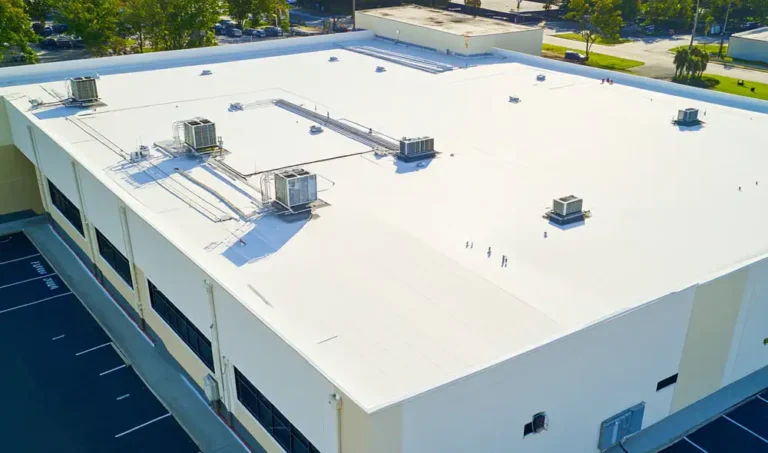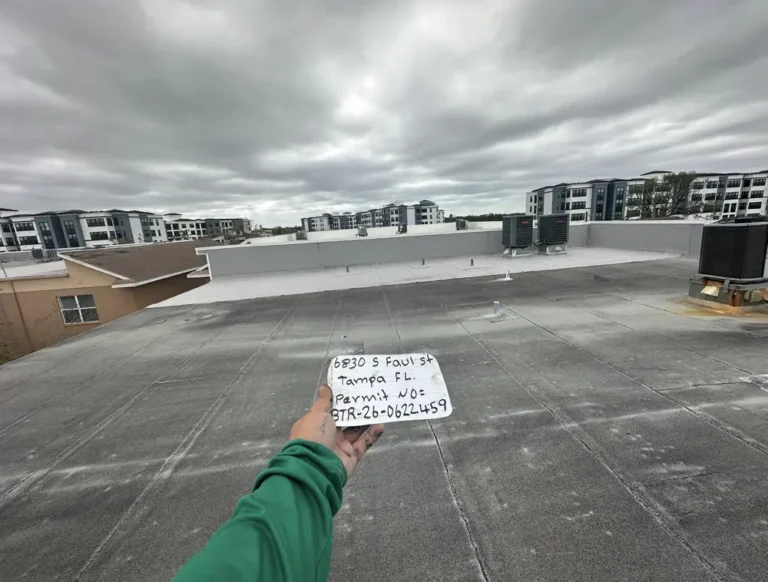
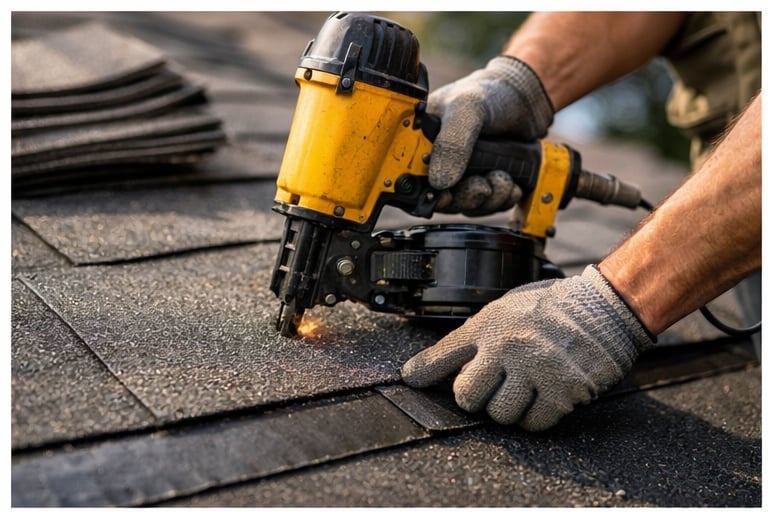
In Tampa, FL, Steadfast Roofing is a local option homeowners use when they want asphalt shingle roofing installed like a system, not slapped on like a skin. In a place where heat bakes, humidity lingers, and summer storms show up loud, the details decide whether shingles last or disappear.
Asphalt Shingles in Tampa: The Quick “Why They’re Everywhere” Answer
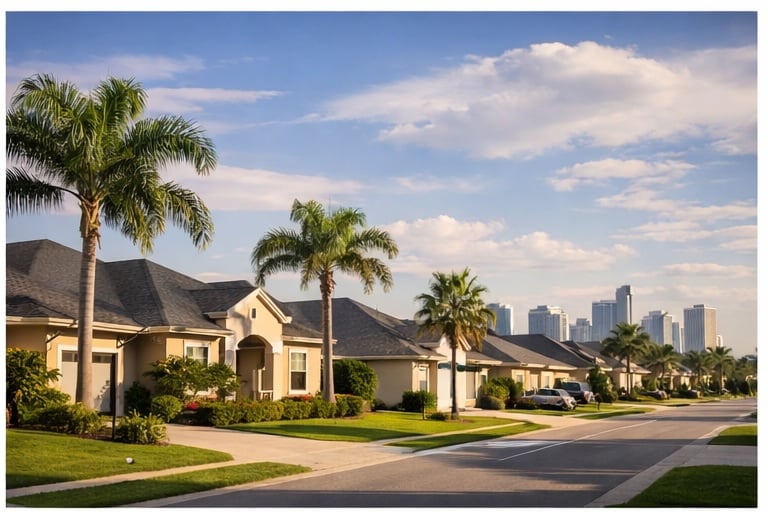
Asphalt shingle roofing dominates Tampa neighborhoods because it strikes the sweet spot: dependable protection, broad style options, and a price point that usually makes sense compared to tile or metal. It also works well with common Tampa roof shapes and slopes, and it’s easier to repair or replace in sections if damage occurs.
Types of Asphalt Shingles Used on Tampa Homes
Asphalt shingles are not one thing. The category has tiers that behave differently in wind, heat, and daily wear.
- 3-tab shingles: Flat, uniform look. Lower cost. Typically shorter lifespan in real-world Florida conditions. More vulnerable to uplift and cosmetic wear over time.
- Architectural (laminated) shingles: Thicker profile, dimensional appearance, stronger sealant zones, and generally better wind performance than basic 3-tab when installed to spec. This is the most common “good choice” for Tampa homeowners.
- Luxury/designer shingles: Heavier, thicker, often built to mimic slate or cedar style lines. Higher cost, more dramatic curb appeal, and can provide excellent durability when paired with the right underlayment and ventilation strategy.
Tampa Weather Reality Check: Heat, Humidity, Wind, and Algae
Tampa roofs get hit from four directions:
- High heat + UV: Accelerates aging, dries out asphalt, and can accelerate granule loss if shingle quality or ventilation strategy is weak.
- Humidity + afternoon downpours: Finds any sloppy flashing, valley work, or nail-through issues fast.
- Wind events and gusty thunderstorms: Shingle blow-off is often a nailing pattern problem, a starter strip problem, or a ridge/hip detail problem, not “bad luck.”
- Algae streaking: Common in Florida. Algae-resistant shingles help, but proper drainage, sunlight exposure, and keeping debris off the roof are also important.
Wind Ratings That Matter in Florida (And What the Labels Actually Mean)
A shingle’s wind performance isn’t just marketing; it’s tied to standardized testing and classifications.
- ASTM D7158 wind classifications are commonly referenced in shingle wind discussions, with classes often shown as D, G, and H depending on the product and standard version being referenced. Many manufacturers publish these classifications and their corresponding wind-resistance labels.
- ASTM D3161 is another widely used wind-resistance test method for steep-slope roof coverings, used to evaluate how shingles hold up when installed per manufacturer requirements.
In plain terms: Tampa homeowners should care less about bold brochure claims and more about whether the specific shingle line has the approvals and ratings appropriate for Florida installs, and whether it’s installed exactly per the approval.
Florida Building Code and Fastening: Why “Four Nails vs Six Nails” Comes Up So Often
Fasteners are boring until the first real storm. Florida rules and approvals govern how shingles must be fastened, and requirements can vary by region and product approval.
- Florida code guidance and industry commentary frequently highlight higher fastening requirements in HVHZ areas, including language stating that shingles must be installed per product approval and with no fewer than six nails.
- Florida Building Code training materials also emphasize that roof components and fastener patterns must be designed for uplift loads, which Tampa’s storms are known to test.
Tampa isn’t in Miami-Dade HVHZ, but it still experiences strong wind events and storm-driven uplift. The takeaway is simple: follow the correct product approval, use the correct nail type and placement, and don’t freestyle the pattern because “we’ve always done it this way.”
The “Roof System” Approach: What Should Be Under Your Shingles in Tampa
Shingles are the visible layer. In Tampa, the layers underneath often decide whether a roof performs when it’s 95° outside and raining sideways.
- Decking condition: Rotten or delaminated sheathing is a hidden failure point. If nails don’t bite clean wood, wind resistance drops fast.
- Underlayment strategy: Synthetic underlayments offer greater walkability and tear resistance than standard felt, and they can help during installation if the weather changes.
- Peel-and-stick protection at vulnerable areas: Valleys, transitions, and penetrations are where leaks start.
- Proper drip edge + eave details: Water needs a controlled path off the roof. Drip edge at eaves and rakes helps keep water from curling back into the fascia and decking.
If a bid treats underlayment like an afterthought, that’s usually a clue that the rest of the roof is being treated like an afterthought, too.
Flashing and Water Management: Where Tampa Roof Leaks Usually Start
Most Tampa roof leaks aren’t “mystery leaks.” They usually come from the same repeat offenders:
- Step flashing at walls and chimneys: Incorrect layering or missing kick-out flashing can allow water to penetrate behind siding or stucco lines.
- Valleys: Poor valley metalwork, weak underlayment detailing, or fasteners placed in the wrong zones can cause recurring leaks during heavy rain.
- Pipe boots and penetrations: Rubber components age fast in UV and heat.
- Skylights: If the flashing kit isn’t integrated cleanly into the underlayment and shingle courses, it’s a future service call waiting to happen.
A “roof replacement” that ignores flashing details is basically a new set of shingles sitting on old problems.
Ventilation in Tampa: The Difference Between “Hot Attic” and “Roof That Lasts”
Tampa attics get brutal. Poor ventilation can trap heat and moisture, reducing shingle life and increasing cooling costs.
Key points that typically matter in Tampa installs:
- Balanced intake and exhaust (so the system actually moves air)
- Clear soffit pathways (not blocked by insulation)
- Ridge vent or properly sized exhaust options based on roof geometry
- Bathroom fans properly ducted to the exterior (not into the attic)
If a roof looks great but bakes from underneath, it will age like a banana on a dashboard.
Impact Resistance: What UL 2218 Means for Shingles
Hail isn’t the only impact risk. In Tampa, flying debris during storms is a real thing. Impact-resistant shingles are commonly evaluated using UL 2218, which assigns ratings from Class 1 through Class 4. Class 4 is widely referenced as the top rating level in that system.
Impact-rated shingles can be worth considering when a home is more exposed (open areas, fewer wind breaks, older trees nearby, or neighborhoods that get hit hard when storms track through).
Picking the Right Shingle Color for Tampa Homes (Looks and Heat Both Matter)
Color choice is more than taste in Tampa:
- Lighter colors can reduce heat absorption a bit and often help hide dust and pollen.
- Darker colors can look sharp and modern, but they may run warmer, especially with poor attic ventilation.
- Blends are popular in Tampa because they hide minor staining and age more gracefully.
Match color to home style, HOA guidelines, and sun exposure. Tampa sun is relentless, so choose something you’ll still like when it’s slightly weathered.
How Long Asphalt Shingles Last in Tampa (Realistic Expectations)
Shingle lifespan in Tampa isn’t just “the warranty number.” It’s driven by:
- Ventilation quality
- Install quality (fasteners, starter strip, ridge/hip details)
- Storm exposure and debris impacts
- Maintenance habits (keeping valleys clean, handling small issues early)
Architectural shingles often provide greater long-term value than basic 3-tab shingles in Florida conditions because they’re typically heavier and seal more robustly when installed correctly.
Asphalt Shingle Roof Cost in Tampa, FL: The Price Drivers That Move the Number
Tampa asphalt roof pricing usually swings based on job complexity, not just square count.
Common cost drivers:
- Roof size and pitch (steeper = more labor and safety needs)
- Tear-off complexity (multiple layers, rotten decking, difficult access)
- Underlayment upgrades and peel-and-stick coverage
- Flashing scope (chimneys, skylights, wall lines, multiple penetrations)
- Ventilation improvements
- Material tier (basic vs architectural vs luxury/designer)
- Permit, disposal, and jobsite protection requirements
If two quotes differ significantly, it’s often because one includes system-level work and the other omits it.
What to Ask Before Hiring a Tampa Shingle Roofer
Tampa homeowners can cut through the sales talk fast with a few specific questions:
- Which shingle line and exact product approvals will be used for Florida installations?
- What underlayment type is included, and where is peel-and-stick applied?
- How are valleys built (valley metal, woven, or open valley approach), and what’s underneath them?
- How are pipe penetrations, wall flashings, and chimneys handled?
- What ventilation changes are included, if any?
- What’s the fastening pattern and nail type for this shingle on this roof?
- Who supervises the install, and is there a final walkthrough?
You’re not being “difficult.” You’re preventing the kind of roof problems people have complained about for years.
Common Asphalt Shingle Mistakes Seen Around Tampa
These are the hits, unfortunately:
- Starter strip skipped or installed incorrectly (wind finds that edge first)
- Nails too high, too low, angled, or overdriven
- Poor ridge and hip cap installation
- Flashing is reused when it should be replaced
- Valleys rushed
- Ventilation ignored
- Cutting corners on underlayment and drip edge
Shingles fail early when installation is treated as speed roofing rather than craftsmanship.
CONCLUSION
Asphalt shingles can be a strong, storm-ready roofing choice for Tampa, FL, but only when the roof is built as a complete system: correct shingle type, verified wind and impact performance where needed, Florida-appropriate fastening and approvals, tight flashing and valley work, and ventilation that keeps the whole assembly from cooking itself to death.
Read our blog: “Roof Underlayment Types and Benefits for Tampa Bay Homes”.