When evaluating roofing materials that deliver long-term value in Florida’s demanding climate, we compare performance, longevity, maintenance, and overall cost. In Tampa and the surrounding areas, Steadfast Roofing provides expert analysis and recommendations tailored to our region’s unique conditions.
Key Criteria for Cost-Effectiveness in Florida Roofing
- Lifespan vs upfront cost: A material that seems cheap today may lead to costly replacements over time
- Climate resilience: Resistance to heat, UV, humidity, wind, and storms is essential
- Energy efficiency: Reflective surfaces and insulation properties reduce cooling loads
- Maintenance & repair costs: Low-maintenance systems tend to yield better net value
- Insurance & permitting benefits: Materials approved for high wind ratings or rebates can offset costs
Asphalt Shingles: The Balanced Baseline
Types & Cost Tiers
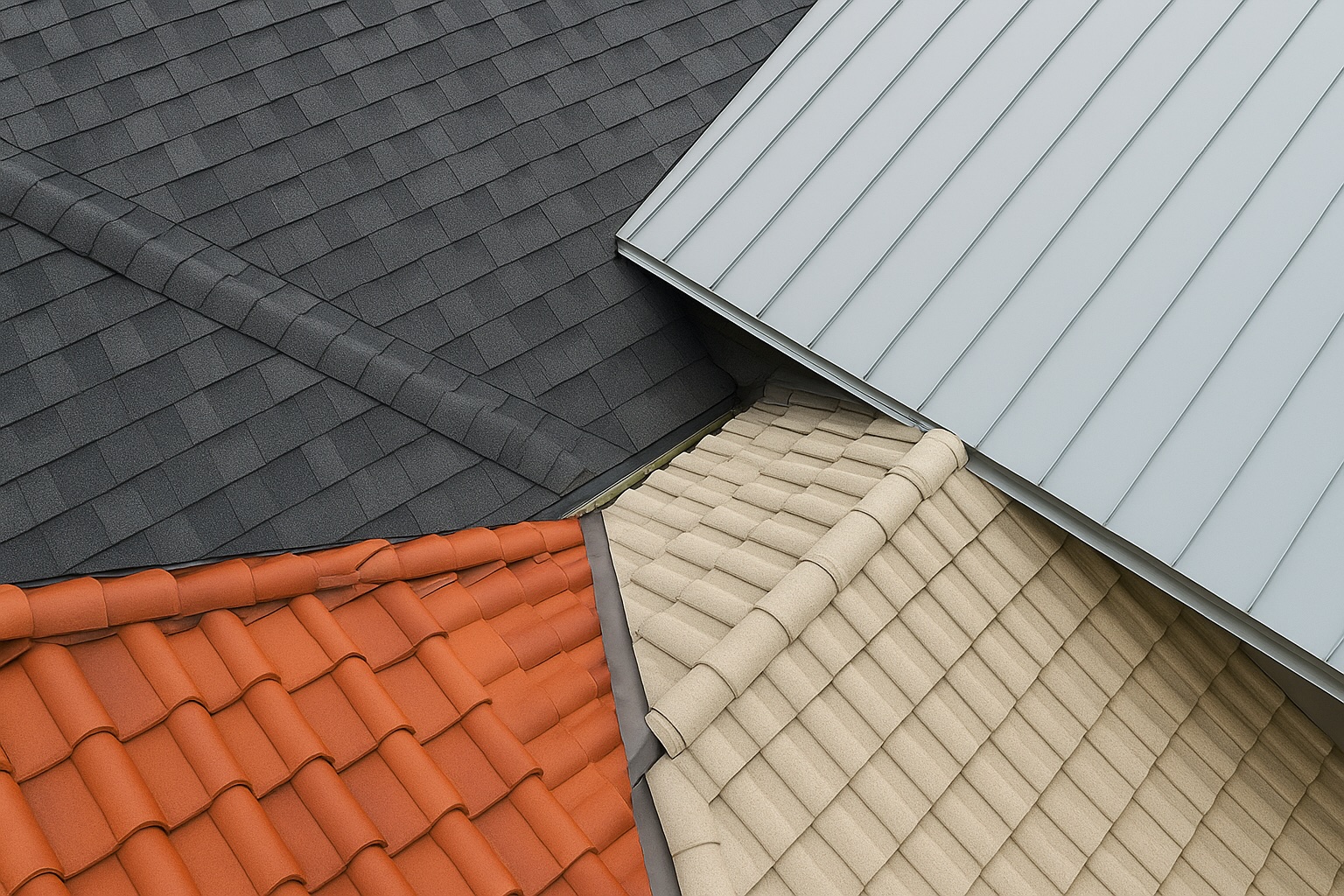
- 3-tab asphalt shingles: Lowest cost, typical lifespan in humid Florida 15–20 years
- Architectural/dimensional shingles: Mid-tier upgrade with improved durability, wind resistance, and aesthetics
- Premium impact-resistant shingles: Higher upfront price but permit stronger warranties and insurance discounts
Strengths
- Widely available, with many local roofing contractors
- Easier and faster installation (thus lower labor costs)
- Moderate repair costs; parts are inexpensive and common
- Some premium products incorporate reflective granules, reducing heat gain
Limitations
- Susceptible to UV degradation, curling, granule loss over time
- More frequent repair needs in extreme weather
- Moderate lifespan compared to higher-end options
Metal Roofing: Longevity & Protection
Material Options
- Steel (galvanized or coated)
- Aluminum (better corrosion resistance, ideal near the coast)
- Standing seam or metal shingles
Advantages
- Lifespan of 40 to 70+ years
- Low maintenance: occasional inspections and cleaning
- Reflectivity helps reduce cooling loads significantly
- Excellent wind performance and hail resistance
- Many systems qualify for insurance discounts
Trade-offs
- Higher upfront cost
- Requires more specialized labor
- Occasional noise (rain or hail) if insulation isn’t carefully installed
Tile Roofing (Clay & Concrete): Durable & Elegant
Performance Features
- Lifespans often 50 to 75+ years when installed properly
- Natural thermal performance, creating air gaps that buffer heat transfer
- Strong resistance to insects, rot, and fire
Practical Considerations
- Heavy weight: roof framing may need reinforcement
- Fragility under impact—care required during repairs or storms
- Higher installation labor costs
Engineered & Synthetic Roofing Systems
Composite Slate, Synthetic Shake, Polymer Tiles
- Molded composites replicate upscale aesthetics (slate, shake) at a lower weight
- Good durability (30–50 years or more)
- Often come with resistance to impact, UV, and moisture
Cool Roof Coatings & Reflective Membranes
- Applied over existing or new roofs
- Help reduce attic heat and lower cooling loads
- Works well in tandem with the primary roofing material
Side-by-Side Comparison
| Material Type | Estimated Lifespan | Upfront Cost | Maintenance Demand | Energy Efficiency | Best Use Case |
| 3-tab Asphalt | 15–20 years | Low | Moderate | Low to Moderate | Budget-oriented homes, short-to-mid term ownership |
| Architectural Asphalt | 20–30 years | Moderate | Moderate | Moderate | Balanced performance and cost |
| Premium/Impact Asphalt | 25–35 years+ | Higher | Lower | Better reflectivity | For long-term owners wanting reliability |
| Metal | 40–70+ years | High | Low | High (reflective) | Long-term investment, hurricane-prone areas |
| Concrete Tile | 50–75+ years | High | Low to Moderate | Good perimeter insulation | High-end homes, architectural style focus |
| Clay Tile | 60–100+ years | Very High | Low | Excellent insulation + thermal mass | Premium homes with matching aesthetics |
| Composite / Synthetic | 30–50 years+ | Mid to High | Low | Moderate to High | Homes seeking upscale look with lighter weight |
Choosing the Right Material for Your Florida Home
Evaluate Your Timeline
If you plan to own the home long-term, investing in metal or high-end tile may pay dividends. For shorter ownership, premium asphalt often yields the best balance.
Factor in Energy Savings
Reflective and ventilated systems reduce cooling loads—particularly helpful in our hot summers.
Check Insurability & Wind Ratings
Roof systems with high wind ratings (e.g., 140 mph or higher) may qualify for insurance discounts.
Assess Structural Capacity
Heavier systems, such as tile, often require calculating the roof load and possible reinforcement.
Plan for Local Labor Expertise
Select materials that your local contractors are comfortable installing with quality.
Installation Best Practices That Protect Value
- Use high-quality underlayment and flashing
- Adhere strictly to the manufacturer’s fastening and layout guidelines
- Ensure proper ventilation to prevent heat and moisture buildup
- Include inspections after installation and every few years
How to Maximize ROI
- Match material choice to expected ownership horizon
- Combine performance (durability, energy savings) with aesthetics
- Opt for systems with strong warranties and local support
- Leverage incentive programs—rebates, insurance credits, building codes
Working with an experienced local provider like Steadfast Roofing in Riverview, FL ensures you choose materials suited for the environment and maximize long-term value.
Take a moment to read one of our latest blogs: “Should You Get a Roof Inspection Before Listing Your Home?”