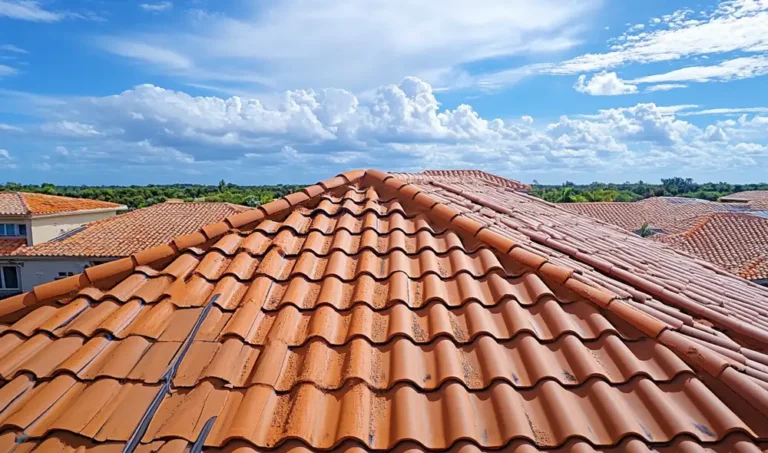
For many homeowners in Bradenton, FL, the question is simple: can you paint roof tiles and still protect the look and performance of the roof? In many cases, yes, roof tiles can be painted, but only when the tile roof is in sound condition and prepared correctly. Painting a tile surface without first checking for a cracked roof tile, broken roof tile, or other signs of tile damage can lead to peeling coatings, trapped moisture, and more costly repairs later.
A painted roof can improve curb appeal, refresh faded roof tiles, and help preserve the clean appearance of a tile roof. But success depends on more than color. The condition of the tile, the tile type, the presence of visible cracks, and whether the roof structure is stable all matter. Many homeowners do not realize that old roof tiles, loose tiles, and missing roof tiles can interfere with a proper coating bond and even create future damage if the surface is sealed too early.
Why Bradenton Homeowners Consider Painting Roof Tiles
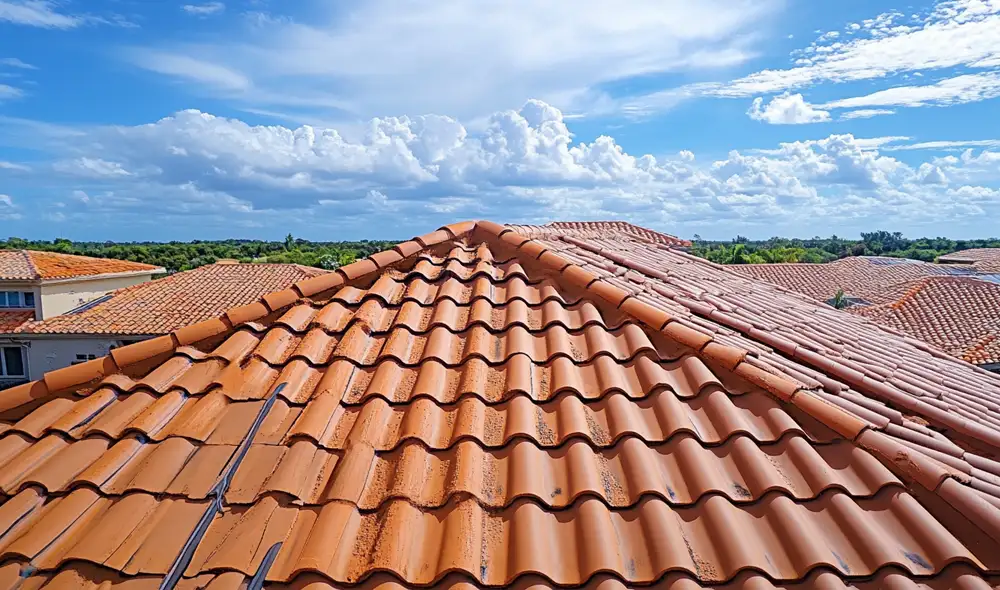
In Bradenton, sun, humidity, rain, salt air, and high winds can wear down the appearance of roof tiles over time. Even when the roof still looks structurally intact from the ground, fading and staining can make a tile roof look older than it is. Painting offers a way to refresh the home’s exterior while protecting the aesthetic appeal and even supporting property value.
Still, not every tile roof is immediately ready for paint. A single cracked roof area, scattered broken tiles, or damaged roof tiles can compromise the result. Before any coating begins, the surface should be reviewed for early signs of deterioration, including water stains, minor cracks, missing tiles, and foot traffic damage. These issues may seem small at first, but they can lead to further damage if ignored.
When Painting Roof Tiles Is a Good Option
Painting is typically a strong option when the roof tiles are still in overall good condition, the roof cavity shows no obvious moisture problem, and the tile surface is stable enough to hold coating evenly. This is often true for older concrete tiles, some clay tiles, and even certain terracotta roof tiles, provided the surface is clean, dry, and free from significant failure.
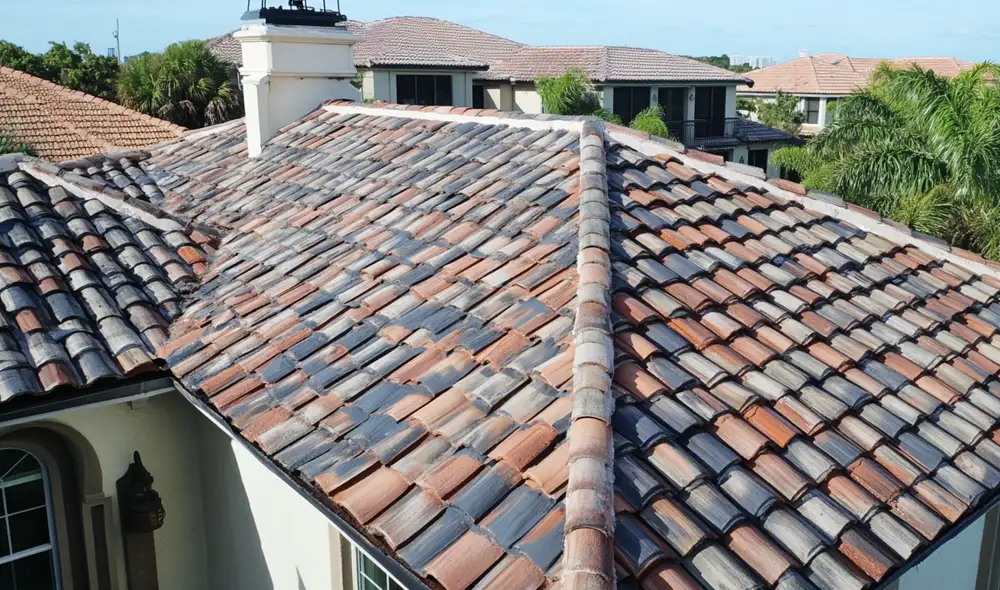
What matters most is whether the roof has sustained significant damage or only cosmetic wear. If the roof has only faded color and isolated cracked tiles, the project may still move forward after proper prep. If there is extensive damage, widespread movement, or ongoing leaks, painting should wait until the underlying issues are handled. Covering over damaged tile areas too soon can trap moisture, hide structural issues, and lead to premature coating failure.
Why Roof Tile Condition Matters Before Paint
A painted tile roof only performs as well as the surface underneath it. If a broken roof tile or cracked roof tile is left untreated, moisture can move below the tile, affect the underlayment damage risk, and compromise the finish from below. In Bradenton’s climate, this matters even more because repeated moisture exposure and sun expansion can worsen a cracked roof section over time.
A professional inspection should look for damaged roof tiles, loose tiles, surrounding tiles that shift under pressure, and signs that the roof structure may be stressed. It is also smart to look for overhanging tree branches, old impact marks, and severe weather damage from strong winds or debris. Even a few broken tiles in the wrong location can allow hidden moisture into the roof cavity, which may eventually lead to persistent leaks and even structural damage.
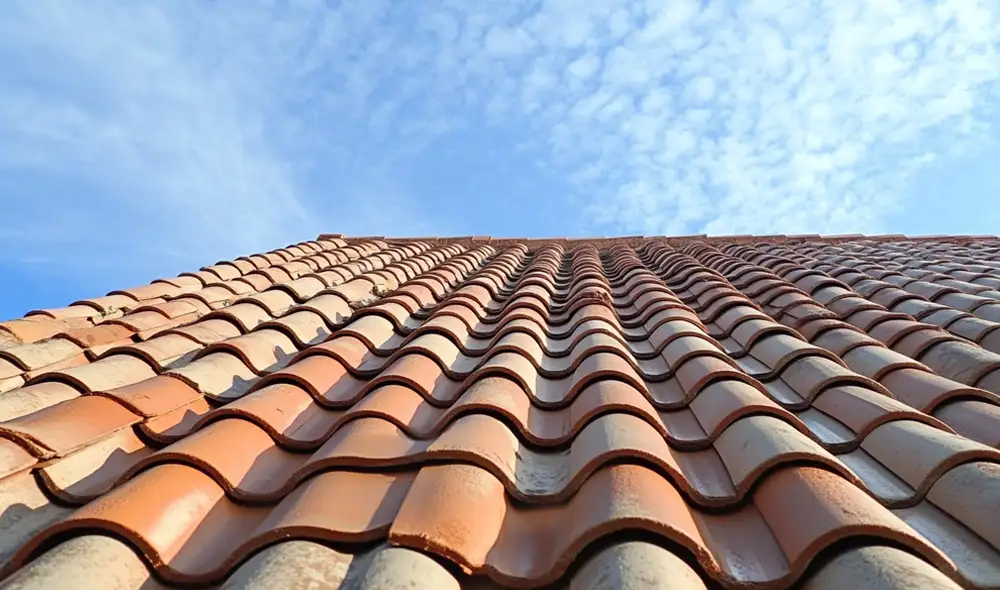
How to Fix Cracked Roof Tiles Before Painting
If you want the best finish, the answer to how to fix cracked roof tiles starts with careful prep. The exact repair process depends on the extent of the crack and the condition of the surrounding tile field. Small, stable cracks may sometimes be sealed, while badly damaged tile sections may require full replacement.
For isolated fixing cracks work, the area should first be cleaned with a wire brush to remove dirt and loose debris. The surface should then air dry fully. A putty knife can help remove old patch material, and a caulking gun may be used to apply roofing cement where appropriate. When you apply roofing cement, coverage should be controlled so the repaired area bonds cleanly without creating raised edges that interfere with drainage. Quality patching with quality materials can support a successful repair when the crack is minor and the tile remains stable.
If the crack is larger, the tile has shifted, or there are visible cracks on both faces, patching may not be enough. In that case, it may be better to replace broken tiles rather than coat over a weak surface.
Repair or Replace? Knowing When a Tile Needs More Than Paint
Not every broken roof tile can be saved. If the tile has split through, if pieces are missing, or if there is movement around the fastener points, replacement is usually the better choice. This is especially true when the tile type is brittle from age or when there are signs of improper installation.
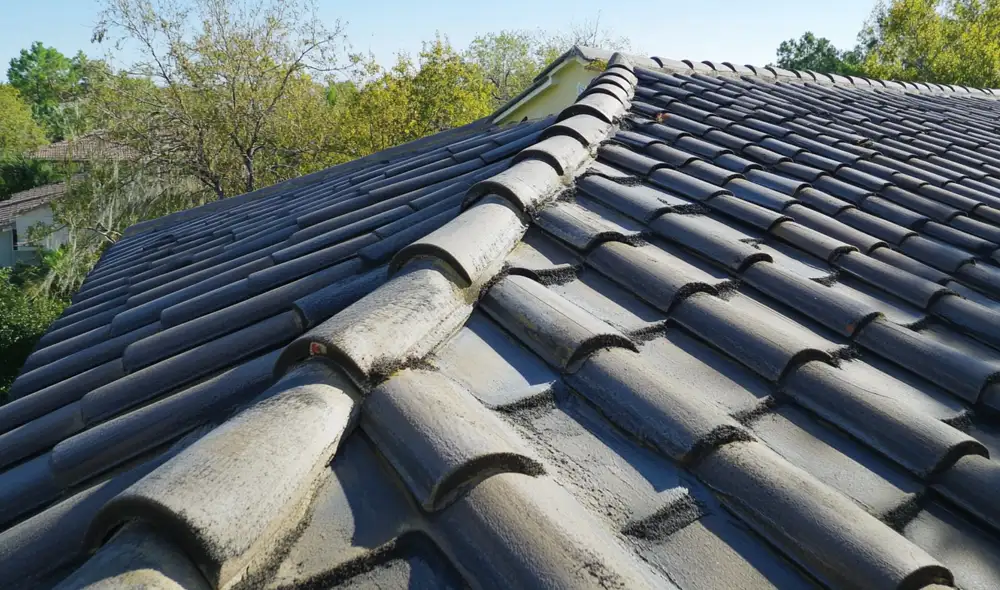
To replace a damaged piece, a technician may use a pry bar to gently lift the surrounding tiles and neighbouring tiles without cracking them. From there, they can carefully remove the failed unit, check for moisture below, and install matching replacement tiles. Having matching tiles, replacement tiles, or even spare tiles available makes the repair cleaner and helps preserve the finished look once the roof is painted. When there is a need for a new tile, proper fit matters because poorly fitted individual tiles can shift under high winds and lead to future damage.
In some cases, installers may also use roofing nails depending on the original system and access conditions. The goal is always to stabilize the tile roof without damaging adjacent sections.
Materials and Tile Types That Affect Paint Performance
Different roof tiles do not behave the same way under paint. Concrete tiles often accept coating well when cleaned and primed correctly. Clay tiles and terracotta roof tiles may also be coated, but their porosity and age must be considered carefully. The wrong coating on the wrong tile type can reduce adhesion, shorten life span, and create a patchy finish.
This is one reason a local roof repairer or coating professional should evaluate the roof first. They can identify whether the existing surface is sound, whether there are hidden cracked tiles, and whether the repaired area will blend properly once painted. They can also determine whether past patchwork, weather exposure, or foot traffic has weakened the surface enough to create long-term performance issues.
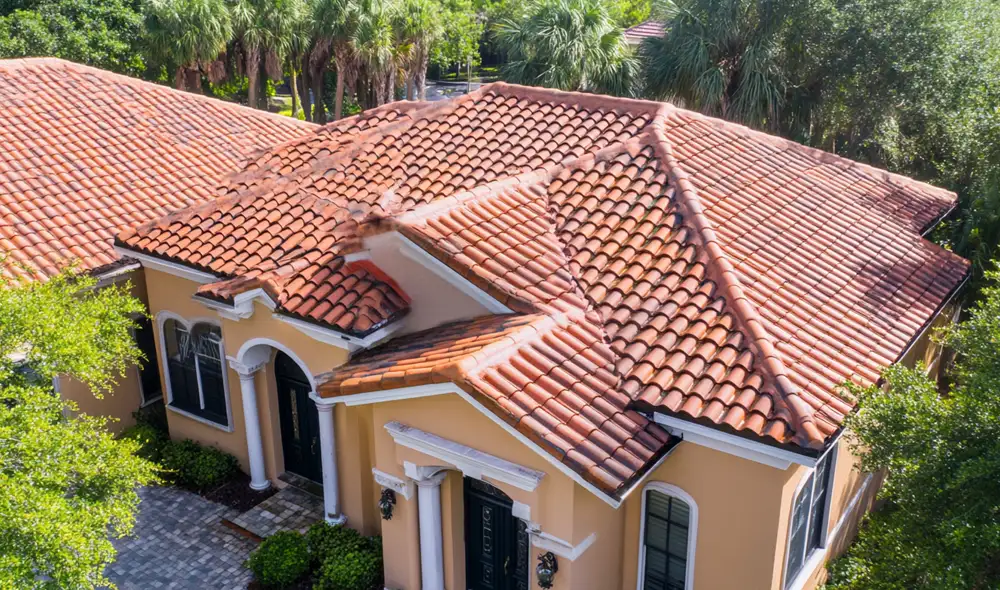
Safety Matters on a Tile Roof
Working on a roof is always risky, and on a tile roof, it can be extremely dangerous without the right approach. Roof tiles can crack under body weight, become slippery when damp, and shift if stepped on incorrectly. Anyone working above ground should use proper safety gear and appropriate safety equipment, along with a sturdy ladder placed on stable ground.
Because of the breakable nature of tile, walking the wrong path can cause broken tiles, create further damage, and turn a minor cosmetic project into one involving major repair costs. Even homeowners who feel comfortable with small exterior work often underestimate how fragile older roof tiles can be.
Common Causes of Tile Damage Before and After Painting
A painted roof still needs care. Weather damage, strong winds, overhanging tree branches, accidental foot traffic, and aging materials can all contribute to a cracked roof tile or broken roof tile. In some cases, the damage is already present before paint is applied. In others, the paint job makes defects easier to notice because the surface becomes more visually uniform.
After painting, homeowners should still watch for water stains, lifting edges, and signs that moisture may be trying to trap moisture beneath the coating system. If small problems are caught early, they are less likely to become costly repairs or trigger deeper structural issues.
Maintenance Tips After Roof Tile Painting
A painted tile roof lasts longer when it receives proper maintenance. Homeowners should regularly inspect the roof from the ground after storms and schedule regular inspections when needed. It helps to keep branches trimmed, reduce unnecessary foot traffic, and check for missing roof tiles, loose tiles, or fresh cracking after severe weather.
If you spot a damaged tile, a broken tiles section, or signs of persistent leaks, act quickly. A small issue can grow into significant damage, especially if the roof cavity begins holding moisture. Addressing defects early helps protect the coating, the repaired area, and the overall life of the roof.
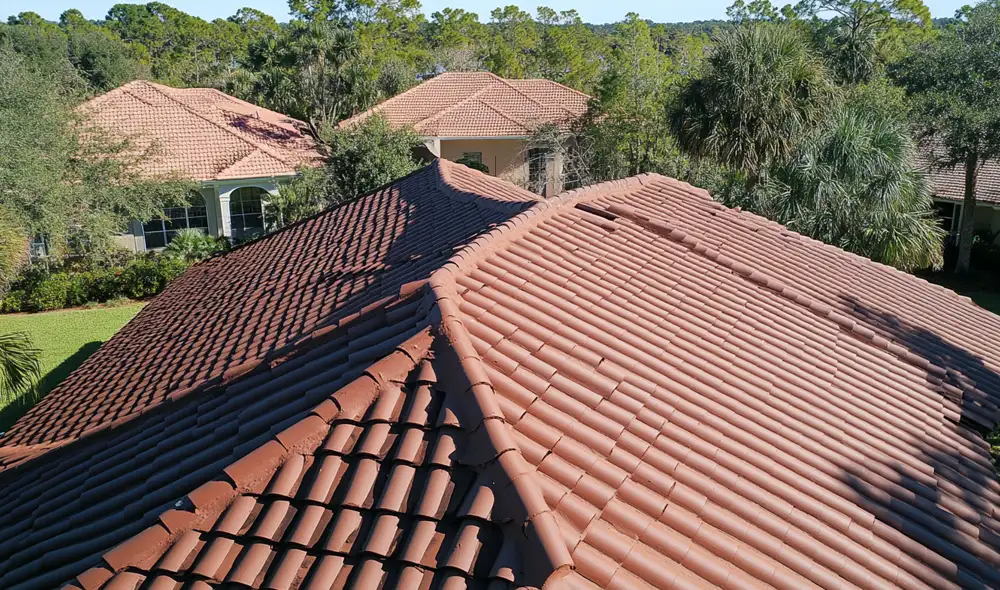
Choosing the Right Team in Bradenton, FL
Painting roof tiles is not just about color. It is about surface condition, coating compatibility, and preventing future damage. A local specialist can assess whether the tile roof is ready, whether a broken roof tile needs patching or replacement, and whether there may be hidden structural damage under the visible surface.
For Bradenton homeowners, the best outcome comes from evaluating the full roof, using quality materials, and making sure every tile is ready before paint is applied. When prep is done correctly, painting can renew the look of roof tiles, preserve the home’s appearance, and help avoid more costly repairs later.
Can You Paint Roof Tiles? Yes—But Preparation Comes First
So, can you paint roof tiles in Bradenton, FL? Yes, but only when the roof tiles are stable, dry, and properly prepared. Any cracked roof tile, broken roof tile, or area with damaged roof tiles should be addressed first. Whether the solution involves sealing minor cracks, using roofing cement, or installing matching replacement tiles, preparation is what determines whether the project holds up.
A painted roof can look clean, refreshed, and durable, but only when the underlying tile roof is sound. If your roof shows fading, cracked tiles, or signs of moisture, Steadfast Roofing can help evaluate the condition of the surface and determine the right next step for your Bradenton home.