In this guide, we explore the most frequent roofing issues homeowners face—and how to address them with clarity and confidence. At Steadfast Roofing in Tampa, FL, our team has decades of experience diagnosing and repairing these problems efficiently and effectively.
1. Roof Leaks and Water Damage
Water intrusion is among the most common roofing problems. Leaks can originate from aged or missing shingles, deteriorated flashing, poorly sealed roof penetrations (such as vents or chimneys), or even persistent ponding on low-slope roofs.
When water infiltrates, it can stain ceilings, damage insulation, and trigger mold or structural rot. Prompt inspection and repair—including resealing or replacing flashing—is critical to prevent minor leaks from becoming costly.
2. Damaged, Missing, or Worn Shingles
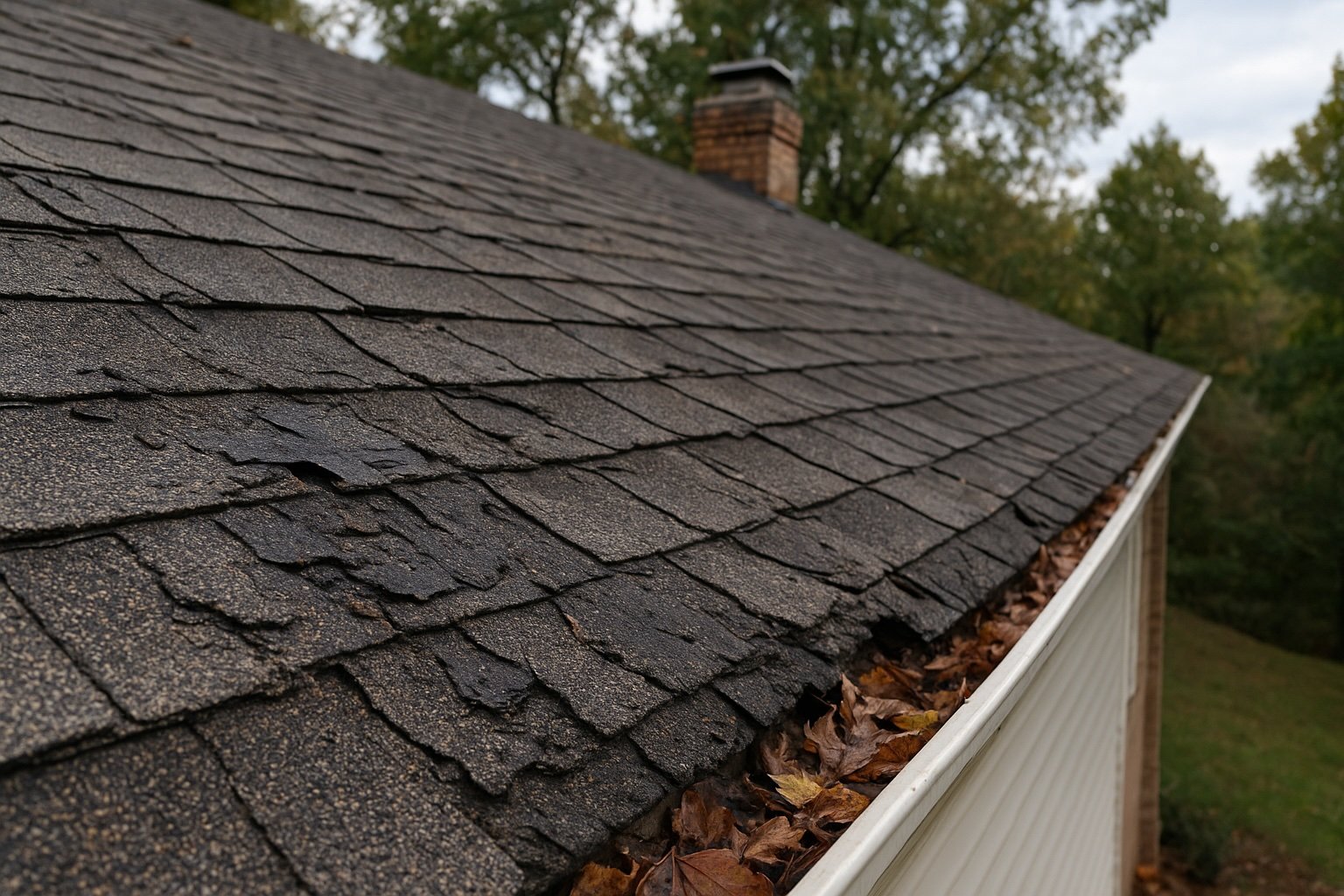
Shingles may crack, curl, or go missing due to wind damage, UV exposure, or simply aging. When shingles are compromised, the underlayment and roof deck become exposed, increasing the risk of leaks and further degradation.
Replacing individual damaged shingles is often a fast and affordable repair. But widespread curling or deformity can be a sign that the roof is nearing the end of its serviceable life.
3. Flashing Failures
Flashing—the strips of metal installed around chimneys, vents, skylights, and ridges—is critical for maintaining a watertight seal. Over time, flashing may corrode, separate, or be improperly installed, allowing water to bypass these junctions.
We recommend inspecting all flashings during regular maintenance and resealing or replacing damaged sections to preserve roof integrity.
4. Poor Attic Ventilation
Without adequate ventilation, heat and moisture build up in the attic, causing shingles to blister, warp, or deteriorate prematurely. These conditions can also warp the roof sheathing or promote mold growth, undermining the roof’s long-term performance.
Correct balancing of intake and exhaust vents is vital—ensuring your roof “breathes” properly to extend its lifespan.
5. Algae, Moss & UV Damage
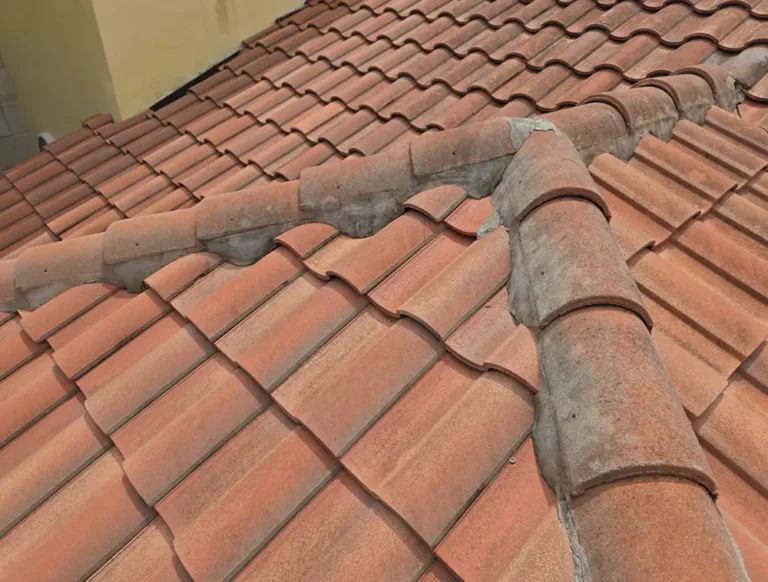
In humid climates, like Florida, moisture encourages the growth of algae and moss on roofs. These organisms trap water and degrade shingles, shortening their life cycle. UV exposure from constant sun causes its own damage—fading, cracking, and material breakdown over time.
Roof maintenance should include periodic cleaning and, if needed, installing metal strips (e.g., zinc or copper) at the ridges to inhibit growth.
6. Clogged Gutters and Overflow Issues
Gutters packed with leaves and debris can cause water to overflow or back up under shingles. When that happens, attic moisture rises, siding may be damaged, and fascia or soffits can deteriorate.
Regular cleaning—at least twice a year—or installing gutter guards can prevent these problems before they compromise your roof’s performance.
7. Structural Aging and Material Degradation
Every roof has a finite lifespan. Materials like asphalt shingles typically last around 25–30 years, while other options vary based on their composition. As materials age, they lose granules, crack, and may fail altogether—signaling that replacement is near.
Backed by sound installation practices and professional inspections, a roof can last longer, but eventually a full roof replacement may be necessary.
8. Installation Errors and Workmanship Defects
Poor workmanship can lead to misaligned shingles, inadequate fastening, or flashing that wasn’t properly secured—all of which compromise the roof’s integrity. When installation shortcuts are taken, issues can surface soon after installation, increasing the likelihood of premature repair or failure.
Ensuring a licensed, experienced roofing contractor handles installation is the best defense against these defects.
9. Wind, Storm & Weather-Related Damage
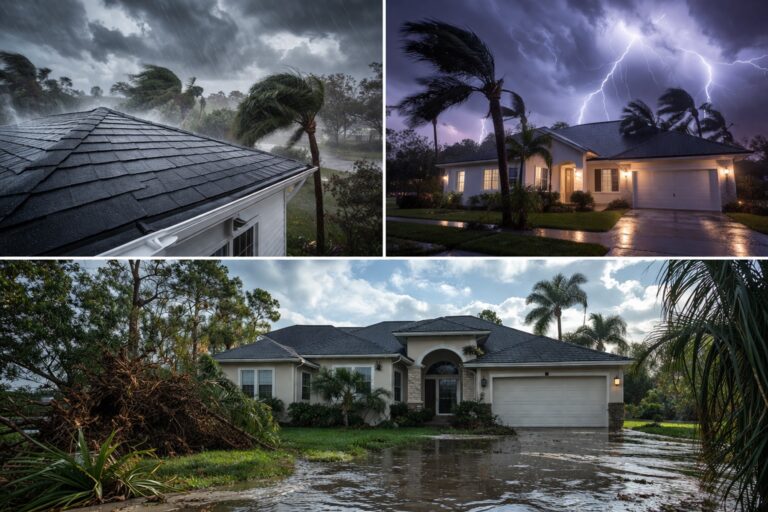
High winds, flying debris, and severe storms can displace shingles, break underlayment, or damage flashing. In hurricane-prone regions, wind uplift poses a significant risk if materials were not properly secured during installation.
After a storm, professional inspection is critical—minor damage can escalate quickly without timely intervention.
10. Ponding Water on Low‑Slope Roofs
Low-pitched or flat roofs often suffer from inadequate drainage, leading to water ponding. Persistent water can degrade underlayment, leak into the structure, or cause sagging due to added weight.
Addressing the underlying drainage issue—whether via improved slope, additional drains, or corrective flashing—is essential for long-term protection.
Preventative Maintenance Best Practices
- Semiannual Inspections: Schedule a professional roof inspection twice a year (spring and fall) and after major storms to catch issues early.
- Clean Gutters: Keep gutters and downspouts clear of debris; consider gutter guards to reduce buildup.
- Trim Overhanging Branches: Trees can scrape shingles or drop debris, accelerating wear.
- Proper Ventilation: Confirm that exhaust and intake vents are balanced for optimal attic airflow.
- Flashing Maintenance: Check and reseal flashing around penetrations to prevent leaks.
- Remove Algae & Moss: Use gentle cleaning methods and metal strip preventative solutions where needed.
Why Professional Help Matters
Repairing a roof is more than just swapping shingles. Poor repairs can lead to recurring leaks, structural compromise, and even voided warranties. Trusting a seasoned roofing contractor ensures the job is done right the first time. For example, when you partner with Steadfast Roofing, we assess material quality, installation standards, and long-term durability—all to safeguard your investment.
Choosing the Right Roofing Contractor
When selecting a roofer, we recommend:
- Licensing & Insurance: Verify contractor credentials, licensing, and coverage.
- Reputation & Experience: Seek firms with a strong local track record and portfolio.
- Material Quality: Insist on manufacturer-grade shingles, underlayment, and flashing.
- Warranty Terms: Understand both workmanship and material warranties.
- Transparent Estimate: A detailed quote should include labor, materials, and cleanup.
Conclusion
Residential roofing problems—from leaks and aged shingles to poor ventilation and storm damage—are common but manageable. Addressing them early with preventive maintenance and professional inspections saves homeowners time, money, and stress. Whether repair or replacement is needed, partnering with an expert roofing company ensures long-term protection.
To protect your home’s most vital shield, contact a trusted roofer who prioritizes quality and durability.
Take a moment to read one of our latest blogs: “Essential Roofing Insights for Every Homeowner”.