At Steadfast Roofing, we bring years of expertise in the Florida climate, guiding homeowners through material selection, proper installation, and long-term maintenance strategies tailored to the region. Located in Tampa, FL, our team understands the local building codes, storm-resistance requirements, and environmental stressors that roofs face across the Sunshine State.
Understanding Florida’s Unique Roofing Challenges
Climate-Driven Stressors
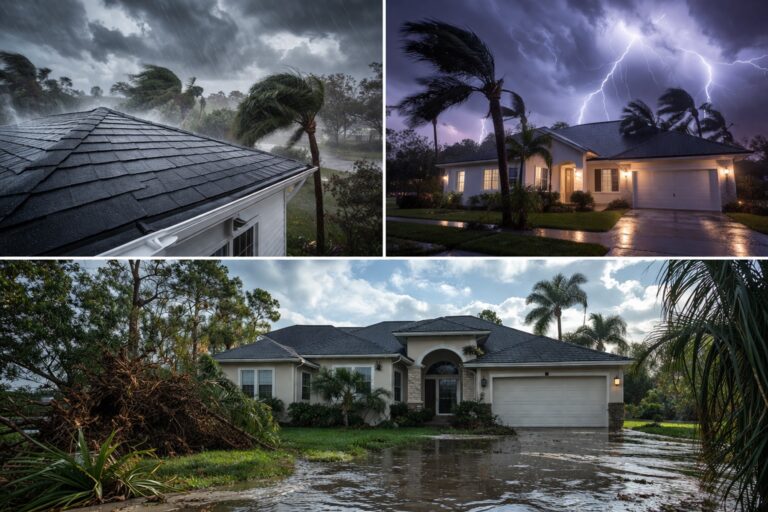
Florida roofing systems must withstand intense UV exposure, salt-air corrosion (especially in coastal areas), high humidity, torrential rainfall, and hurricane winds. These factors reduce material lifespans, accelerate flashing failures, and demand higher performance from installation standards.
Building Code & Wind-Resistance Considerations
Modern Florida building codes require roofs to meet strict wind-uplift, fastening, and underlayment standards. Correct deck anchorage, high-wind rated materials, proper flashin,g and sealed penetrations are essential to comply and remain insurable under storm-risk zones.
Importance of Local Experience
A roofing professional who regularly works in Florida is more attuned to nuances: how patios or gables drive uplift, how salt spray affects metal roofs, and how mold or algae growth under humid conditions degrades membrane systems. Choosing a contractor with that regional focus helps avoid generic mistakes.
Selecting the Right Roofing Material for Florida Homes
Asphalt Shingles
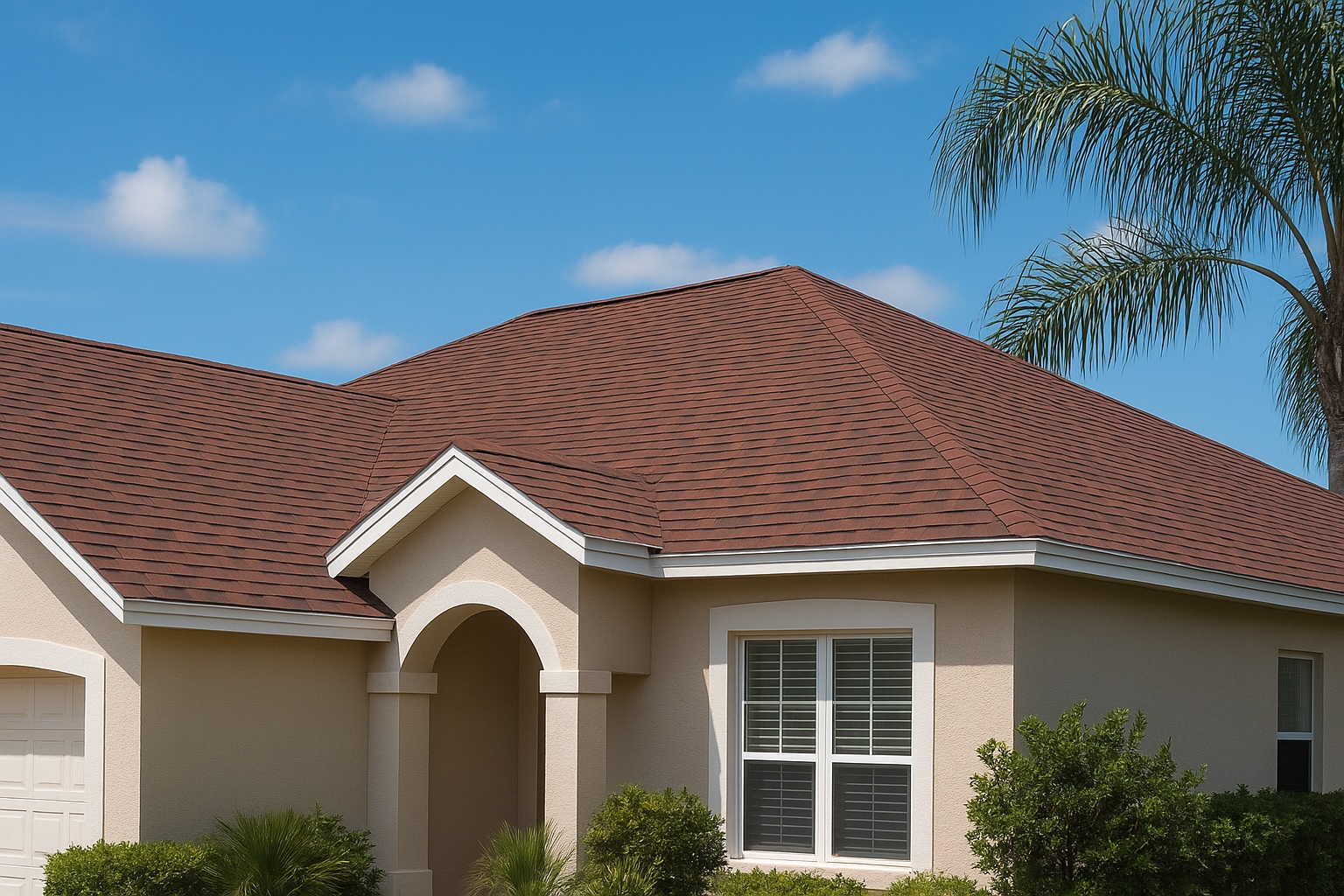
Cost-effective and popular, but require premium, high wind-rated variants in Florida. Lighter color options reflect heat and help reduce A/C loads. Proper underlayment and secure fastening (usually 6- or 7-nail patterns) are critical for performance.
Metal Roofs
Metal offers excellent durability, longevity (40+ years), and wind resistance. To succeed in Florida, metal roofs must have appropriate gauges, corrosion-resistant coatings (for salt-air regions), and properly sealed seams and fasteners to prevent leaks.
Tile (Clay / Concrete) Roofs
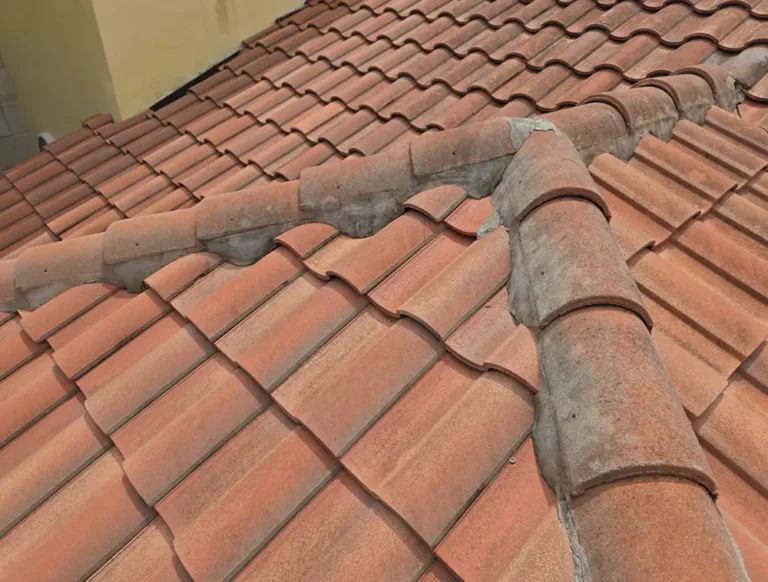
Tiles deliver aesthetics and long life (50+ years) but require a strong supporting structure, correct installation to handle heavy loads, and rigorous sealing around penetrations, hips, and ridges. Flashing under the tile must be maintained to avoid hidden infiltration.
Flat / Low-Slope Systems
Often used for commercial or modern residential properties, these are vital: drain clearance, membrane integrity, thermal expansion control, and ponding prevention. Slow water drainage invites leaks, degradation, and structural damage.
Installation Best Practices for Longevity
Optimal Roof Deck Preparation
- Remove old roofing material to inspect and replace damaged deck sections.
- Secure all deck boards with corrosion-resistant fasteners.
- Install appropriate underlayment (self-adhering or polymer modified) in areas prone to uplift or wind-driven rain.
Flashing & Penetration Sealing
- Install corrosion-resistant metal flashing at hips, ridges, and penetrations (vents, skylights, and chimneys).
- Use wide valley undersheets or metal pans to handle heavy runoff.
- Seal fasteners and overlaps with compatible, UV-resistant sealants and membranes.
High-Wind Fastening & Attachment
- Use manufacturer-approved high-wind-rated shingles or panels.
- Secure eaves and gable edges with metal straps or clips per Florida Building Code practice.
- Ensure rake edges and overhangs are braced and strapped to prevent wind uplift.
Ventilation, Insulation & Moisture Control
- Provide attic ventilation in proportion to the roof area to limit heat and moisture accumulation.
- Use reflective roofing materials or coatings to reduce radiant heat load.
- Inspect the attic regularly for signs of moisture, mold, or infiltration, as these can erode material performance and health.
Maintenance & Inspection Strategies for Durable Performance
Scheduled Professional Inspections
We recommend complete roof inspections twice a year (spring and fall) and after major storm events. Inspection review: flashing integrity, granule loss, rust spots, fastener condition, attic moisture, and drain/gutter function.
DIY Monthly Checks
Homeowners should conduct a brief exterior review: damaged or missing shingles/tiles, granules in gutters, loose flashing, signs of algae or moss growth, blocked downspouts, or water pooling.
Prompt Repair of Minor Damage
Address minor issues immediately (curled shingles, cracked tiles, failed flashing) before they compromise the underlayment or decking. Early intervention prevents costly replacements and systemic failure.
Documentation & System History
Maintain records of installation date, materials used, past repairs, inspection photos, and maintenance logs—these support insurance claims, resale value, and planning for eventual replacement.
Material Lifespan & Replacement Considerations
Typical Lifespans in Florida
- Asphalt shingles: ~15-20 years (maybe less in high UV/humidity zones)
- Metal roofs: 40-70 years if correctly installed
- Tile roofs: 50+ years, but dependent on flashing, underlayment, and structure
When to Consider Replacement
- The roof aged beyond its expected lifespan, or major sections are showing wear.
- Multiple leaks, sagging deck, or structural issues.
- Frequent repairs — when the patchwork becomes costlier than replacement.
- Changes in code or insurance conditions: older roofs may no longer qualify for coverage without replacement.
Cost-Benefit Analysis: Repairing vs. Replacing
Repairing Makes Sense When
The damage is localized, the remainder of the roof is relatively new and structurally sound, and the roof meets current code standards.
Replacement Becomes the Strategically Correct Choice When
Damage is widespread, the roof is near or beyond its lifespan, deck or structural elements are compromised, or full compliance (wind-rating, insurance eligibility) demands a system upgrade.
Long-Term Value
A new roof protects against infiltration, structural rot, mould growth, and insurance denial. It improves home value, lowers energy usage (through better insulation/reflection,) and reduces ongoing maintenance costs.
Homeowner Checklist: Florida Roofing Best Practices
- Choose a contractor licensed and experienced in Florida roofing standards.
- Confirm the roofing material is high-wind-rated and suitable for local exposure.
- Request documented installation practices: flashing details, underlayment type, fastening pattern.
- Schedule inspections after every major storm season and once a year.
- Clean gutters and downspouts regularly to prevent water from backing up under eaves or at edges.
- Monitor attic space for moisture, sagging deck, or daylight penetration.
- Maintain a log of inspections, repairs, and material condition for resale or insurance support.
Conclusion
Florida’s roofing environment demands more than standard installation and maintenance. By selecting the right materials, ensuring expert installation, committing to regular inspections, and responding swiftly to damage, homeowners can secure lasting protection, performance, and value for their homes.
Take a moment to read one of our latest blogs: “A Steadfast Thanksgiving Message to Our Tampa Bay Community”.