When a roof leak catches you off guard, every second counts. Whether you’re dealing with heavy rain pouring into your attic or ceiling stains spreading by the minute, fast action makes the difference between a manageable repair and a full-blown disaster. At Steadfast Roofing in Tampa, FL, we’ve seen it all—and we’re breaking down the exact steps you need to take if you find yourself in the middle of a roofing emergency.
Signs of an Active Roof Leak You Should Never Ignore
Some leaks are obvious. Others are sneakier, silently soaking your attic or insulation before you ever see a drop. Watch for these red flags:
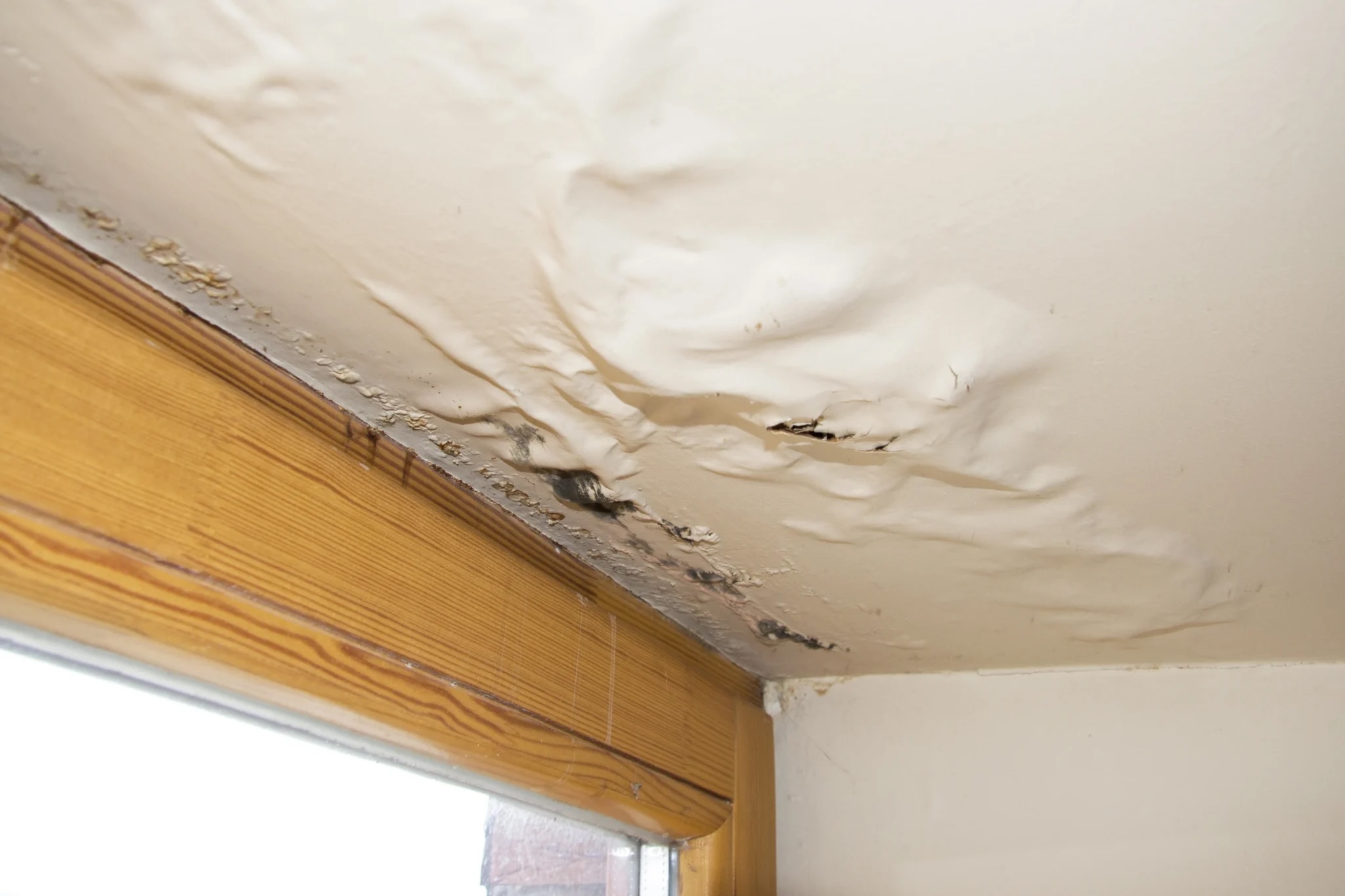
- Water stains on ceilings or walls
- Dripping sounds during or after rain
- Bubbling paint or sagging drywall
- Moldy smells or visible mildew growth
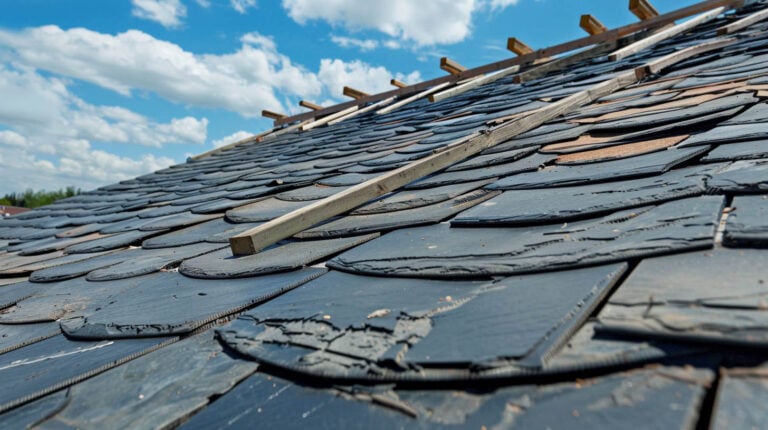
- Missing shingles, damaged flashing, or exposed underlayment
- Sudden spike in utility bills from insulation damage
If you spot any of these signs, it’s time to act—fast.
Step-by-Step Guide: What to Do When You Discover a Roof Leak
1. Control the Interior Damage First
Start inside. Place buckets or large containers under any active drips. Use towels to soak up pooling water. If your ceiling is sagging, gently poke a small hole to release the water in a controlled way—this prevents a total ceiling collapse.
2. Protect Your Belongings
Move furniture, electronics, rugs, or valuables away from the leak zone. Lay down tarps or plastic sheeting if moving things isn’t an option. Water spreads fast and soaks deep. Don’t let it ruin what’s underneath.
3. Document Everything for Insurance
Take clear photos and videos of all the damage—inside and out. Get shots of soaked ceilings, drips, puddles, and any visible roof damage. This documentation is gold when it’s time to file your claim.
Temporary Fixes Until a Roofer Arrives
You’re not expected to repair your roof, but you can take some steps to keep the situation from getting worse.
Cover the Leak (If It’s Safe)
If the weather permits and you can safely access your roof (big if), place a heavy-duty tarp over the leaking area. Use nails or weighted objects to secure it tightly. Never get on the roof during a storm or if you’re unsure about your footing.
Use Roofing Tape or Sealant
Roofing tape or emergency patch kits from hardware stores can be useful for sealing small cracks or holes—especially around flashing or vents. Apply only in dry conditions and consider this a very temporary measure.
What Causes Emergency Roof Leaks?
Emergency leaks don’t come out of nowhere. They’re often the result of underlying issues that went unnoticed for too long. Common culprits include:
- Storm damage (wind-lifted shingles, hail impact, flying debris)
- Clogged gutters causing water to back up under shingles
- Aging materials like brittle shingles or deteriorated flashing
- Poor roof installation or shortcuts by previous contractors
- Vent or chimney issues allowing water entry at penetration points
Why Acting Quickly Can Save You Thousands
Letting a roof leak sit—even for a day or two—can cause rot, structural damage, mold growth, and electrical risks. The longer you wait, the more invasive and expensive the fix becomes. What could’ve been a small patch job might turn into a full roof replacement if water reaches your decking or framing.
Call a Roofing Contractor: What to Expect During an Emergency Visit
A legitimate roofing company should respond quickly to emergency calls. Here’s what they’ll usually do:
- Perform a temporary roof cover or patch to stop active leaking
- Conduct a thorough inspection, including in the attic if accessible
- Provide a detailed repair or replacement estimate
- Help you navigate insurance claims if applicable
Avoid storm-chasing roofers or companies offering quotes without even climbing on the roof. Look for local, licensed professionals with solid reputations and verified reviews.
How Insurance Handles Roof Leak Emergencies
Most homeowner insurance policies cover sudden and accidental damage caused by wind, hail, or storms—but they don’t cover neglect or long-term wear.
Make sure you:
- Contact your insurance company ASAP
- Provide documentation (photos, videos, roofer reports)
- Get your claim number and assigned adjuster
- Let your roofer meet the adjuster if possible
Some roofers even offer assistance or work with public adjusters to maximize your coverage.
Preventing the Next Emergency: Proactive Roofing Tips
Nobody wants to go through a leak twice. Once your roof is patched and repaired, take these steps to stay ahead of future problems:
- Schedule annual roof inspections, especially after hurricane season
- Keep gutters clean and flowing
- Trim overhanging tree limbs
- Check your attic for signs of moisture every few months
- Replace aging shingles before they start cracking or curling
Proactive maintenance now saves you major headaches later.
Conclusion
Roof leaks don’t wait for a convenient time, and the damage adds up fast. But with fast action, the right support, and a game plan, you can protect your home and wallet. Whether you’re in the middle of a roofing crisis or you want to get ahead of one, trust a local expert with a solid track record. For homeowners in Tampa, Steadfast Roofing is your go-to source for emergency roof repairs, storm damage response, and long-term peace of mind.
Stay dry, stay protected, and don’t wait to fix what’s overhead.
Take a moment to read one of our latest blogs: “Roof Insurance Claims After Storm Damage: A Complete Guide for Homeowners”.