When you’re settling into a new home, understanding your roof is more than just checking for missing shingles—it’s about protecting your entire investment. At Steadfast Roofing, located in Tampa, FL, we’ve helped countless homeowners see how sound roofing decisions can make all the difference.
1. Know What Your Roofing Material Is
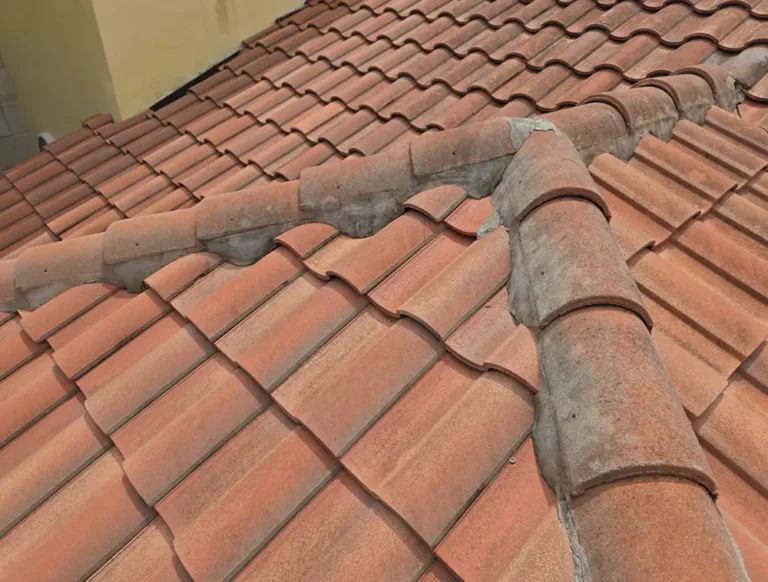
Different materials—such as asphalt shingles, metal panels, tile, and wood shakes—offer distinct advantages and challenges. For example, asphalt is cost-effective but may have a shorter lifespan, while metal roofing can last decades with minimal maintenance. Matching the right material to your budget, climate, and long-term goals is key.
2. Prioritize Regular Inspections
A routine roof inspection uncovers minor issues like lifted flashing, granule loss, or sagging decking before they turn into costly repairs. Experts recommend at least one full inspection per year, and especially after a significant storm or extreme weather event.
3. Recognize When a Roof Needs Replacement
Even a well-maintained roof won’t last forever. Depending on the material and installation quality, most roofs will approach replacement in the 20–30 year range. If your roof is nearing that age and showing signs of wear, it may be more cost-effective to replace it now rather than repeatedly patching it.
4. Avoid These Costly Roofing Mistakes
- Neglecting maintenance: Clogged gutters and debris-filled valleys accelerate wear.
- Ignoring minor damage: Small leaks or missing shingles often become big problems if left unchecked.
- DIY repairs without expertise: Incorrectly installed materials or flashing can void warranties or create damage.
- Hiring unverified contractors: Always choose a licensed, insured roofer with verifiable references.
- Choosing materials solely based on the lowest cost: Durability and performance matter just as much as price.
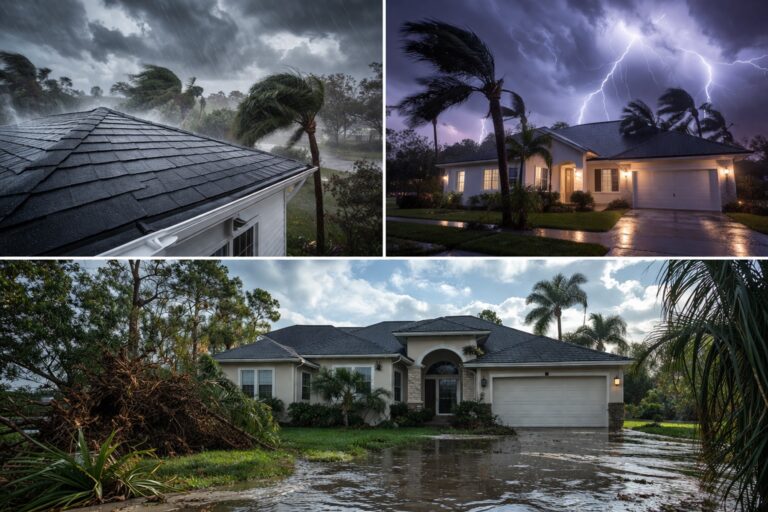
- Overlooking weather-specific challenges: In regions prone to high winds or heavy rains, the proper underlayment and fastening methods make a real difference.
5. Consider Regional Roofing Factors
In areas prone to storms and heavy solar exposure, such as coastal or humid regions, additional considerations include:
- Wind-rated fasteners and hurricane clips to keep your roof secured in high winds.
- Reflective or cool roofing materials to reduce attic heat and energy costs.
- Mold– and mildew-resistant roofing materials can prolong your roof’s lifespan in high-humidity environments.
- Proper attic ventilation prevents moisture buildup that can warp decking and reduce insulation effectiveness.
6. Plan for the Life of Your Roof
Your roofing strategy isn’t just about what you install today—it’s about what you’ll need tomorrow and how much you’ll spend over the roof’s lifetime. Consider:
- Materials’ lifespan and maintenance needs
- Local weather events and their frequency
- Insurance implications and warranty coverage
- Your roofing choice adds curb appeal and resale value
7. Your Next Step: Stay Ahead of Roofing Issues
Early detection and proactive maintenance save homeowners significant stress — and cost. Whether you’re dealing with missing shingles, suspect your underlayment might be compromised, or you simply want peace of mind, a professional roof inspection is your best move.
Conclusion
Your roof isn’t just another part of your home—it’s your home’s first line of defense. With wise choices around materials, inspection routines, and weather resilience, you protect your property, your comfort, and your investment. For service you can trust and guidance you can count on, reach out to our team at Steadfast Roofing.
Take a moment to read one of our latest blogs: “Comprehensive Guide to Roofing in Florida: Mastering Materials, Installation & Maintenance”.