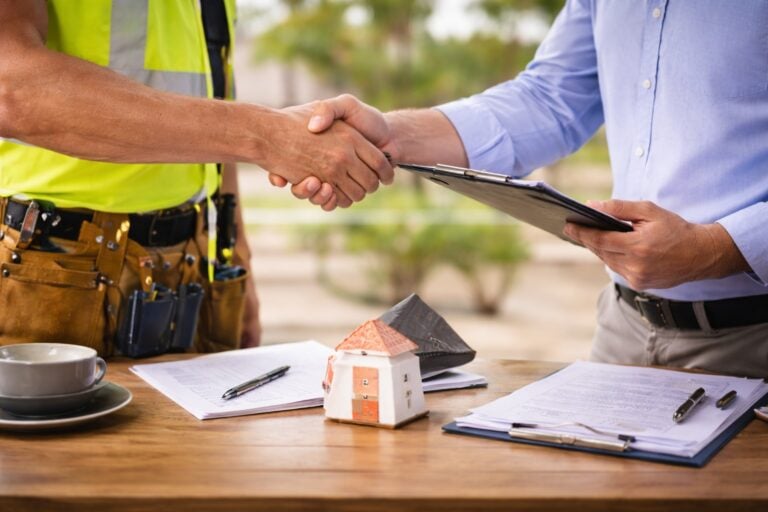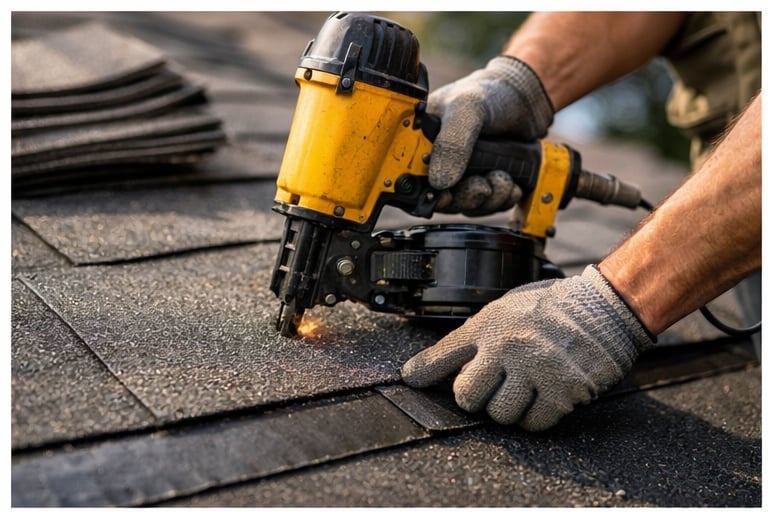
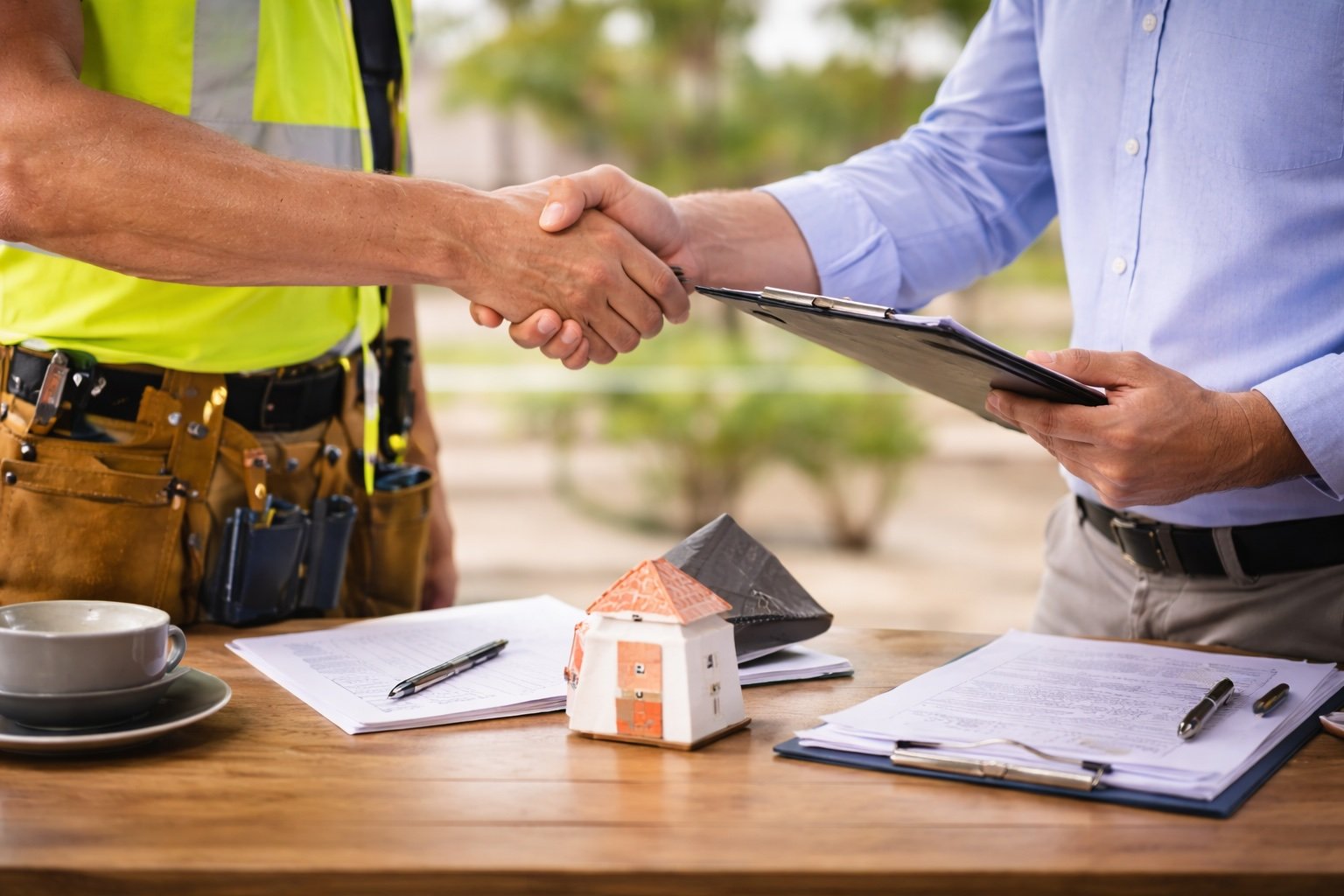
Tampa Bay homeowners get hit from both sides: storms on the outside, paperwork on the inside. That’s exactly why Steadfast Roofing keeps conversations grounded in what actually helps you win, not what sounds flashy at your front door. Public adjusters can be legitimate, but Florida has been dealing with a long-running issue of inflated claims, sketchy partnerships, and homeowners stuck holding the bag when things go sideways.
What a Public Adjuster Actually Does in Florida
A public adjuster is a licensed professional hired by a policyholder to help document, present, and negotiate an insurance claim. They are not the insurance company’s adjuster or your roofer. Their work typically involves estimating damage, assembling documentation, and negotiating scope and pricing.
Where trouble starts is when the “help” turns into pressure, hype, or games that put your claim at risk.
Why Tampa Bay Homeowners Keep Getting Targeted
After wind events, tropical storms, hail, or even “mystery leaks,” Tampa Bay neighborhoods light up with door knockers. The pitch is often some version of: “You’ll get a free roof,” “We’ll handle everything,” or “Sign this so we can start the process.”
That’s the danger zone. When someone’s income depends on the size of the claim, the incentive can drift from accuracy to inflation, and that can trigger delays, denials, underwriting issues, or worse.
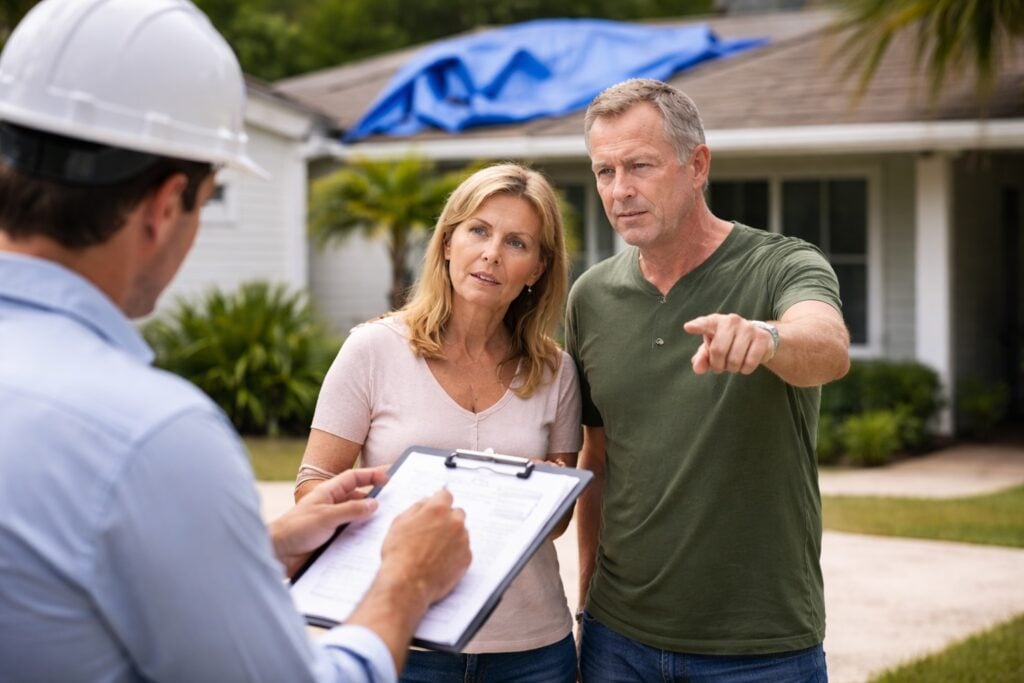
The Three Problems That Blow Up Claims Fast
Inflated or unnecessary claims
Pushing damage beyond what’s real can backfire hard. If an insurer believes the claim is exaggerated, it can slow everything down and increase scrutiny.
Deceptive contracts and “exclusive control”
Some homeowners sign quickly and later learn they have relinquished control of key aspects of the claim process. If the relationship sours, getting out can be messy.
Roofer–adjuster “team-ups” that smell like trouble
When the adjuster and contractor are tightly linked, the homeowner can be caught between competing incentives and sometimes in the middle of alleged fraud.
The Florida Rules Homeowners Should Know Before Signing Anything
Florida law regulates public adjusters and sets specific guardrails around how they can operate. The details matter because your signature can bind obligations you did not intend to take on.
Here are a few homeowner-relevant points that come up constantly:
- There are limits on how adjusters can solicit and approach consumers. Florida’s statute includes restrictions on solicitation practices and requirements tied to contracts.
- You may have a cancellation window for an adjuster contract. Florida’s statute includes a cancellation provision that can allow homeowners to exit early, depending on timing and contract specifics.
Because these rules can change over time, always verify the current statutory language before relying on a summary.
The “48 Hours After a Storm” Myth That Still Confuses People
Many homeowners have heard some version of “Adjusters can’t talk to you for 48 hours after a storm.” That topic has a long legal history in Florida and is often misrepresented. Bottom line: don’t rely on street law. Rely on the current statute language and licensing guidance.
How to Vet a Public Adjuster the Same Way You’d Vet a Surgeon
If you’re considering hiring one, treat it as you would hiring someone to manage your finances.
- Verify the license using the state’s license search.
- Ask how they’re paid and get the fee structure in writing.
- Ask who they work with (roofers, attorneys, “inspection teams”) and whether there’s any referral arrangement.
- Refuse pressure tactics such as “sign now,” “today only,” or “we can guarantee your payout.”
- Request a clean scope explanation in plain English: what damage, what evidence, what’s excluded.
Roofing Contractor vs Public Adjuster: Who Should Do What
A clean claim process usually means everyone stays in their lane:
- Your roofer documents roof conditions, provides a repair or replacement scope, and explains code-driven items that apply to the roof system.
- Your insurer’s adjuster evaluates coverage and determines what the policy pays.
- A public adjuster (if you choose to hire one) helps present your claim and negotiate based on documented damage and policy language.
When one party tries to be all three, homeowners tend to pay the price.
Red Flags That Should End the Conversation Immediately
If you hear any of these, it’s time to politely shut the door:
- “Don’t call your insurance company yet.”
- “We’ll take care of everything; you don’t need to read it.”
- “We can get you a roof even if there’s no real damage.”
- “We just need your signature so we can start.”
- “Everyone gets approved, trust me.”
- “We found damage, but you can’t see it from the ground.”
Tampa Bay Claim Reality: Delays Hurt More Than People Expect
A delayed claim is not just annoying. It can mean:
- Interior damage grows while you wait
- Remporary repairs become permanent headaches
- Your home sits in “open claim” status longer than it needs to
- Paperwork chaos increases the odds of mistakes
That’s why “fast and clean” beats “big and messy” almost every time.
Why Florida’s Insurance Market Has Been So Sensitive to Claim Abuse
Florida’s property insurance system has been under serious strain, and regulators have openly pointed to litigation and claim dynamics as major drivers. Recent state reporting highlights market-stabilization signals, including trends in rate filings and the broader impacts of reforms.
For homeowners, the practical takeaway is simple: questionable claim tactics do not just affect “the system.” They can boomerang into premiums, underwriting behavior, and the level of aggressiveness in claims investigations.
A Safer Tampa Bay Playbook After Wind or Leak Damage
Use this order of operations to keep control and reduce risk:
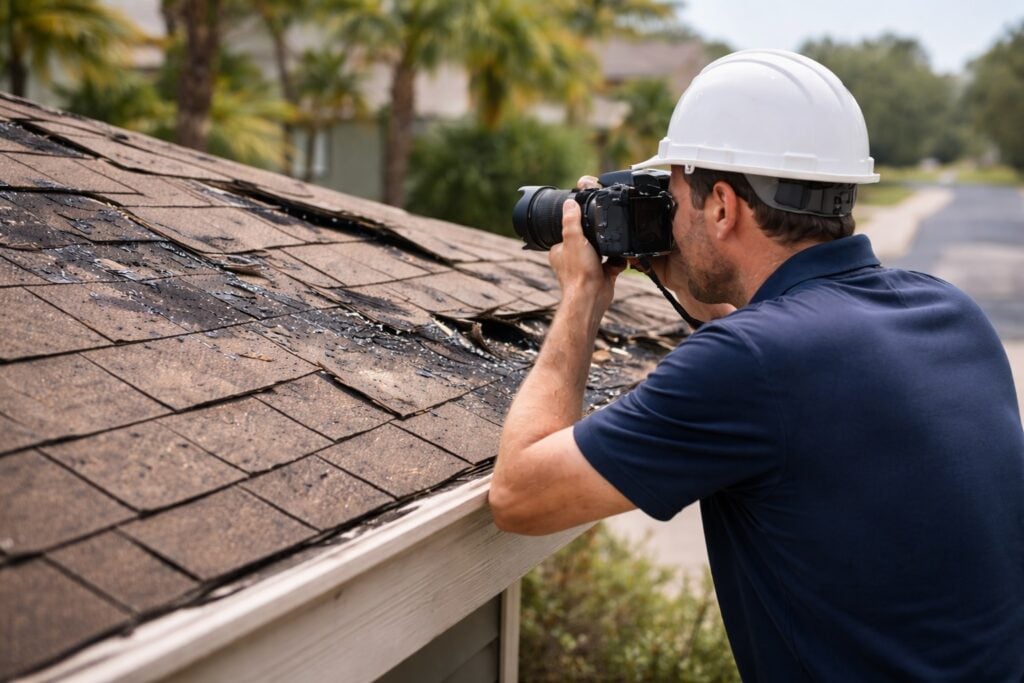
- Document immediately: wide shots, close-ups, attic photos, ceiling photos, wall photos, and any active leaks.
- Prevent further damage: tarp if needed, dry out interiors, keep receipts.
- Get a roofing inspection that is photo-heavy and written, with clear “repair vs replace” logic.
- Call your carrier to start the claim correctly if the damage is legitimate and coverage may apply.
- Only consider a public adjuster if the claim is complex, the scope is clearly disputed, and you’ve verified licensing and terms.
What to Do If You Already Signed Something and Feel Weird About It
If you’re getting that gut feeling (the one that says “uh oh”), act quickly:
- Read the cancellation section of the contract you signed. Florida law includes cancellation provisions tied to adjuster contracts.
- Stop sharing documents until you understand what you agreed to.
- Verify the adjuster’s license and keep screenshots of what you find.
- Put everything in writing (email or text) to document the timeline.
If fraud is suspected, Florida provides channels for consumer help and reporting.
FAQ: Tampa Bay Homeowners Ask These Constantly
Is hiring a public adjuster always bad?
No. It can make sense in specific situations. The risk is hiring the wrong one, at the wrong time, with the wrong incentives.
Can a public adjuster guarantee my claim payout?
Nobody credible can guarantee coverage decisions. Promises like that should be treated like a neon warning sign.
Should a roofer recommend a specific public adjuster?
Be cautious. At a minimum, ask why, inquire about any referral relationship, and obtain multiple options.
What’s the cleanest way to avoid claim drama?
Accurate documentation, legitimate scope, clear communication, and no “magic tricks” designed to juice the claim.
CONCLUSION
Tampa Bay homeowners do not need shortcuts for claims. They need a process that stands up to scrutiny: documented damage, clear scope, clean contracts, and licensed professionals who stay in their lane. Public adjusters can help in the right scenario, but pressure tactics, inflated claims, and cozy partnerships can turn one roof problem into a full-blown financial nightmare.
Read our blog: “Asphalt Shingle Roofing in Tampa, FL: Types, Performance, Costs, and What Actually Matters”.