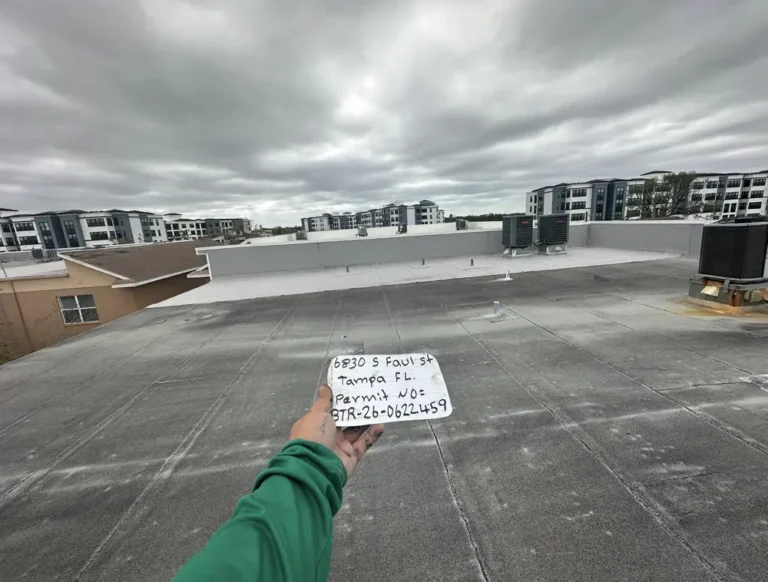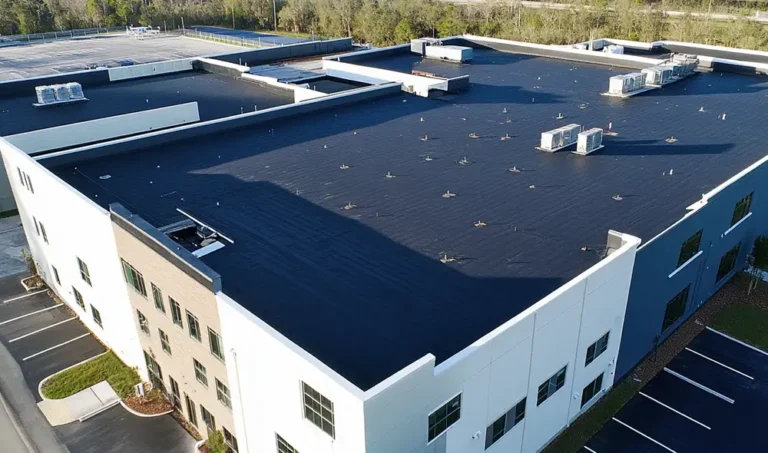
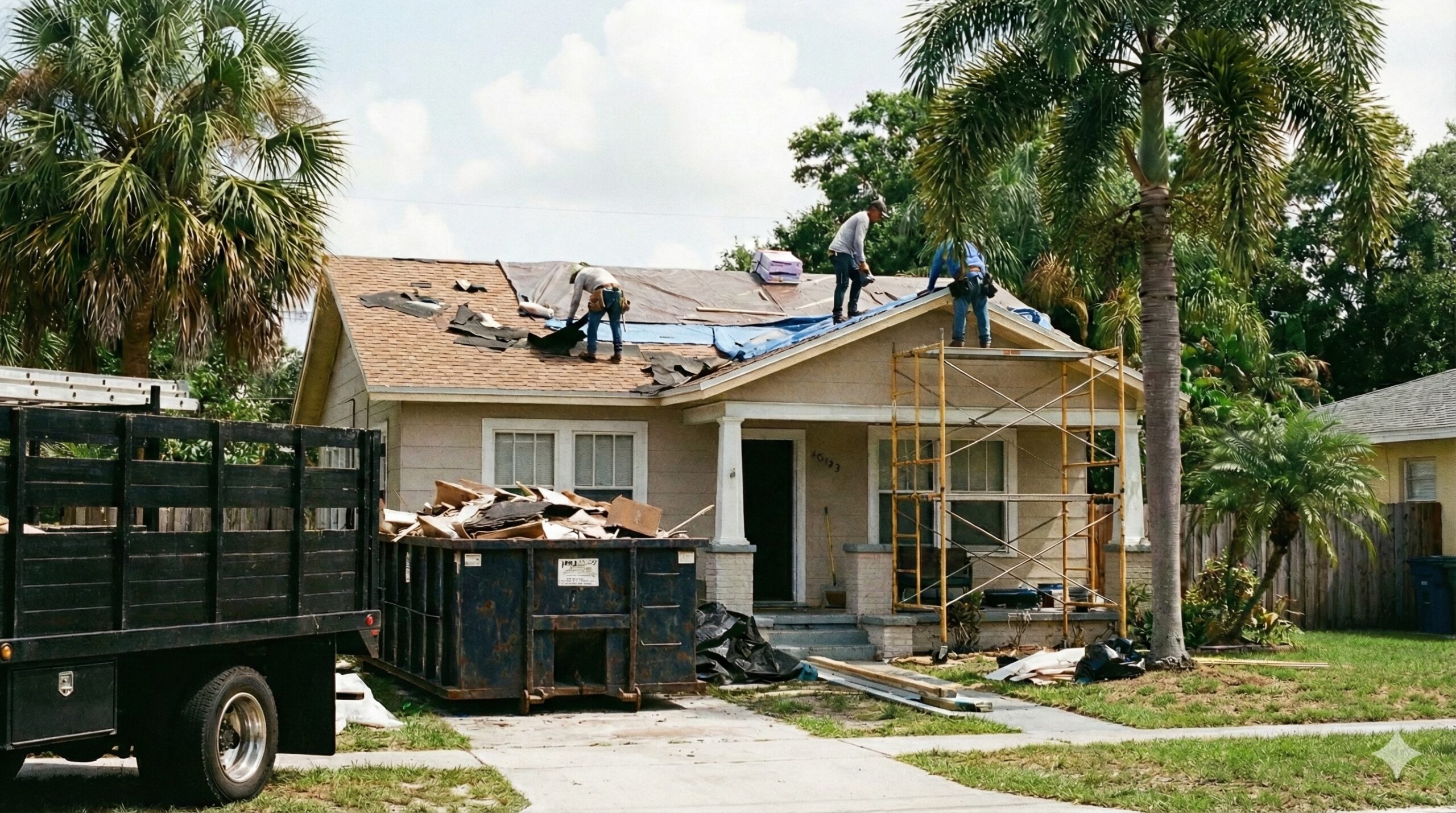
In competitive real estate markets, overlooking roofing details during a flip is one of the fastest ways to erase margins. We see this mistake repeatedly in Florida properties, where climate stress accelerates hidden damage. Working with experienced professionals such as Steadfast Roofing, based in Tampa, FL, allows investors to uncover costly roofing risks early, protect resale value, and prevent budget blowouts that derail otherwise well-planned renovations.
Why the Roof Determines Flip Success or Failure
A roof is not a cosmetic upgrade; it is a structural and financial gatekeeper. Buyers, inspectors, lenders, and insurers all scrutinize roofing systems before closing. Even minor defects can trigger price reductions, insurance denials, or failed appraisals. We approach roofing as a primary investment safeguard, not a final touch.
In hot, humid, storm-prone regions, roofing issues often compound silently. What appears serviceable during acquisition can reveal widespread deterioration once renovations begin, forcing mid-project scope changes that destroy timelines and profitability.
Hidden Roofing Problems Commonly Missed by Flippers
Aged Shingles Near End of Service Life
Shingles may look intact while being only months away from failure. Granule loss, thermal cracking, and brittle edges are early warning signs often ignored during quick walk-throughs. Buyers factor remaining roof life into offers, making aged shingles a direct hit to resale value.
Improper Past Repairs
Layered shingles, mismatched materials, and unsealed penetrations are red flags. Patchwork repairs conceal deeper issues and rarely meet current code. These shortcuts surface during inspections and negotiations, shifting leverage to the buyer.
Undetected Leaks and Moisture Intrusion
Slow leaks around valleys, chimneys, and flashing can saturate decking and insulation without visible ceiling stains. Moisture damage compromises structural integrity and encourages mold growth, resulting in costly remediation.
Inadequate Ventilation Systems
Poor attic ventilation traps heat and moisture, shortening roof lifespan and increasing energy costs. Inspectors routinely flag ventilation deficiencies, and buyers often demand corrections before closing.
Roofing Codes and Permits That Impact Flips
Local building codes evolve frequently, particularly in hurricane-prone areas. Roof replacements often require permits, wind mitigation compliance, and inspections. Failing to align with current code can halt sales, void insurance eligibility, or require costly rework at the worst possible moment—after the property is listed.
We prioritize code-compliant systems that satisfy underwriting standards and reduce buyer friction during escrow.
Financial Consequences of Roofing Oversights
Reduced After-Repair Value (ARV)
A questionable roof directly lowers perceived property quality. Buyers discount aggressively when they anticipate near-term replacement, often by far more than the actual repair costs.
Extended Holding Costs
Unexpected roof replacements delay listings. Each additional month adds carrying costs, taxes, utilities, and financing interest that eat into net profit.
Insurance and Financing Obstacles
Insurers may refuse coverage for roofs over a certain age or with visible defects. Without insurance, buyers cannot close, leading to deal collapses late in the process.
Strategic Roofing Assessments Before Purchase
Successful flippers treat roofing evaluations as part of due diligence, not an afterthought. We recommend:
- Professional roof inspections before finalizing the acquisition
- Core sampling for flat or low-slope systems
- Attic moisture and decking assessments
- Verification of prior permits and warranties
This approach converts unknown liabilities into predictable line items.
Repair vs. Replacement: Making the Right Call
Partial repairs may seem cost-effective but often deliver diminishing returns. When the remaining roof life is limited, replacement provides greater resale leverage, cleaner inspections, and greater buyer confidence. New roofs also support premium pricing and faster closings.
We favor long-term value decisions that align with buyer expectations in the target market.
Roofing Materials That Maximize Flip ROI
- Architectural shingles for durability and curb appeal
- Impact-rated systems to improve insurance options
- Energy-efficient roofing to reduce buyer operating costs
Material selection should balance upfront cost with market perception, longevity, and compliance.
Timing Roofing Work for Maximum Efficiency
Roofing should be scheduled early in the renovation timeline. This prevents interior damage during construction, simplifies inspections, and allows marketing materials to highlight a significant system upgrade.
A new roof becomes a selling feature rather than a negotiation point.
How Roofing Transparency Accelerates Sales
Disclosing roof age, warranties, and inspection reports builds trust. Buyers move faster when major systems are documented and defensible. Transparency reduces renegotiations and last-minute repair demands.
Roofing as a Competitive Advantage in Crowded Markets
In markets saturated with flips, buyers compare details. A professionally installed, warrantied roof instantly differentiates a property. It signals quality workmanship throughout the home and justifies a higher price.
CONCLUSION
Roofing decisions shape the financial outcome of every house flip. Ignoring roof condition introduces unnecessary risk, while strategic assessment and upgrades protect timelines, pricing, and buyer confidence. Treating the roof as a core investment component—not a cosmetic afterthought—consistently separates profitable flips from expensive lessons.
Take a moment to read one of our latest blogs: “Essential Guide to Professional Roofing Estimates: What Every Homeowner Must Know”.