Living in Florida means dealing with intense heat and humidity. Your roof and attic insulation are your home’s first line of defense against this challenging climate. They work as a system to manage heat flow and keep your living space comfortable. At Steadfast Roofing, we understand how these two components must function together to protect your home, lower energy bills, and improve your quality of life.
Key Roles of Attic Insulation in Florida Homes
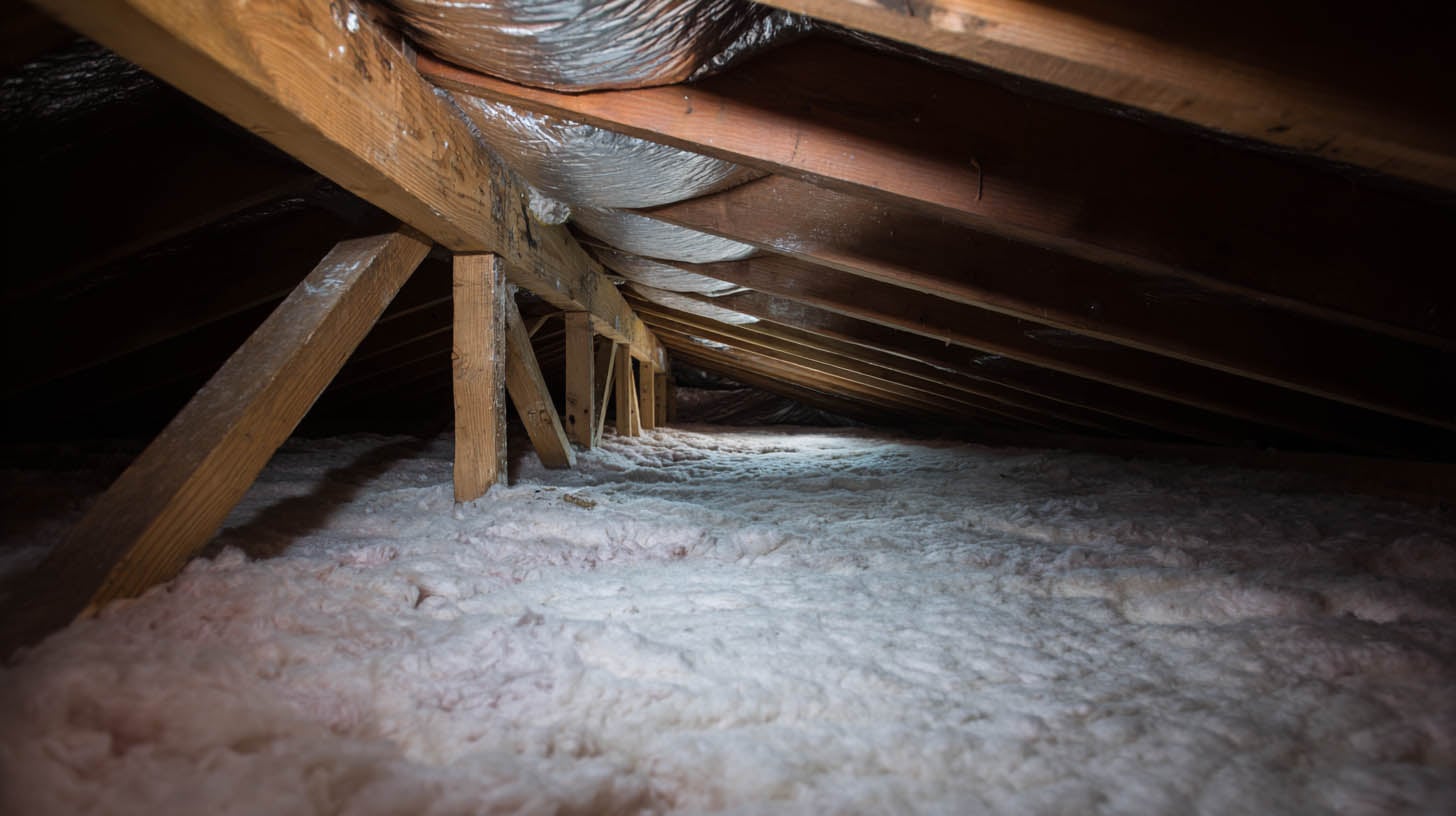
Attic insulation plays a pivotal role in maintaining optimal indoor temperatures, particularly in Florida’s humid climate. By reducing heat transfer, effective insulation solutions, such as fiberglass batt insulation or spray foam insulation, help regulate the home’s energy efficiency. Meanwhile, the roofing system protects against rainfall and excessive sun exposure, ensuring structural integrity. When both components work in tandem, they enhance indoor comfort, minimize energy costs, and combat issues like moisture buildup and mold growth, ultimately shielding the home from Florida’s intense heat.
How Tampa’s Climate Influences Your Attic
Tampa’s subtropical climate presents unique challenges for roofs and attics, significantly impacting their performance. High humidity levels contribute to moisture buildup, increasing the risk of mold growth and structural damage. Proper attic insulation, such as fiberglass batt insulation or spray foam, is essential to maintain indoor comfort and energy efficiency. Additionally, choosing the right roofing materials that withstand Florida’s intense heat is crucial for reducing heat transfer, thereby lowering cooling costs and enhancing the lifespan of both the roof and insulation.
Why Energy Efficiency Starts in the Attic
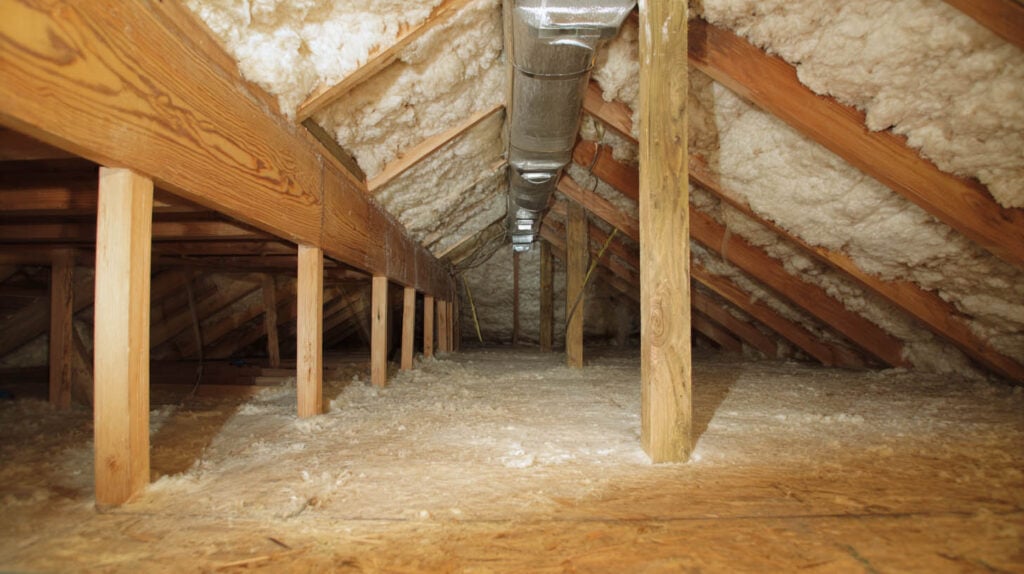
Insulating the attic significantly enhances a home’s overall energy efficiency. An airtight seal prevents heated air from escaping during cooler months, while also curbing incoming heat in Florida’s sweltering climate. Utilizing types of insulation like spray foam or fiberglass batt insulation creates an effective thermal barrier. Proper insulation not only regulates indoor temperatures but also helps optimize HVAC system performance, leading to energy savings and reduced cooling costs. Ultimately, homeowners gain increased comfort and lower energy bills through effective attic insulation.
How Heat and Humidity Affect Attics and Roofs in Florida
Florida’s climate presents a dual threat to your home: intense heat and high humidity. The heat relentlessly beats down on your roof, transferring into your attic space. This can cause attic temperatures to soar, putting a massive strain on your cooling system. Your roof and insulation must work together to combat this.
Simultaneously, the humid air can lead to moisture control issues within the attic. Without proper ventilation and moisture barriers, this can result in condensation, mold growth, and a reduction in your insulation’s effectiveness. Understanding how to manage both heat and humidity is key to protecting your home.
The Challenge of Florida’s Summer Temperatures
Intense summer temperatures in Florida pose a significant challenge for homeowners. With outdoor heat radiating into the attic space, effective insulation becomes critical for maintaining comfortable indoor temperatures. Radiant heat transfer can elevate cooling costs if proper insulation, such as fiberglass batt insulation or spray foam, isn’t installed. Additionally, high humidity levels can exacerbate energy consumption as HVAC systems work harder to combat heat, leading to potential structural damage from moisture buildup. Investing in adequate insulation is essential for mitigating these issues.
Impact of Humidity on Insulation
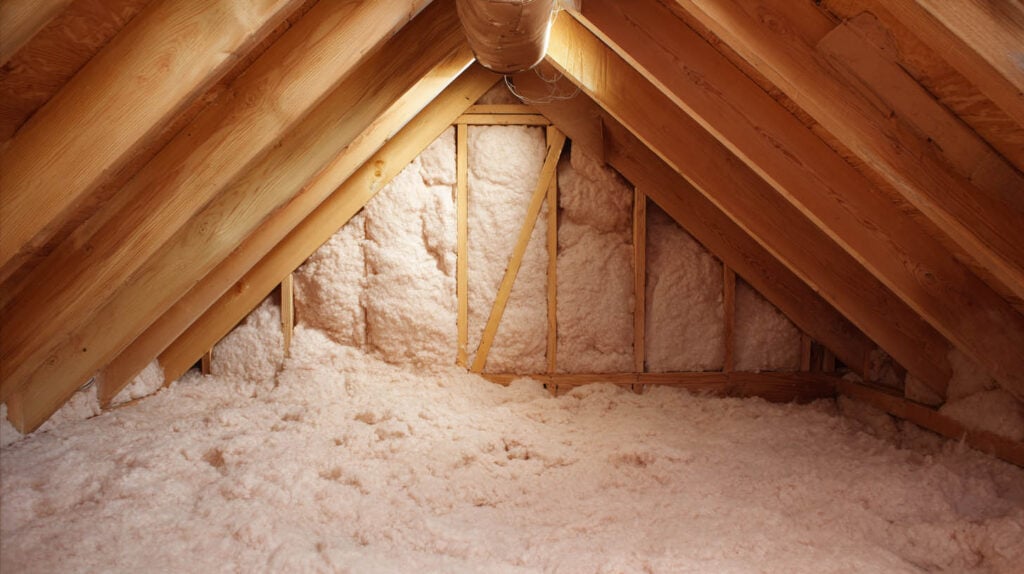
High humidity levels significantly affect roofing and insulation performance in Florida. Moisture can lead to structural damage, mold growth, and reduced effectiveness of insulation solutions. For instance, fiberglass insulation can absorb humid air, diminishing its thermal resistance and promoting heat transfer. Additionally, inadequate ventilation exacerbates this issue, causing moisture buildup that compromises the integrity of both the roof and the insulation. Implementing effective moisture control strategies, like an airtight seal and proper ventilation, is essential for maintaining energy efficiency and indoor comfort in such a humid climate.
Best Types of Attic Insulation
Understanding the right types of attic insulation is crucial for homes in Florida’s climate. Spray foam insulation offers an excellent airtight seal, minimizing air leakage and enhancing energy efficiency. Fiberglass batt insulation, with its thermal resistance, is another popular choice, providing effective moisture control and reducing cooling costs. Radiant barrier insulation reflects radiant heat away, keeping indoor temperatures comfortable. For those seeking eco-friendly options, cellulose insulation is a sustainable choice that performs well in humid environments, ensuring adequate insulation and indoor comfort.
Comparing Blown-In, Batt, and Spray Foam
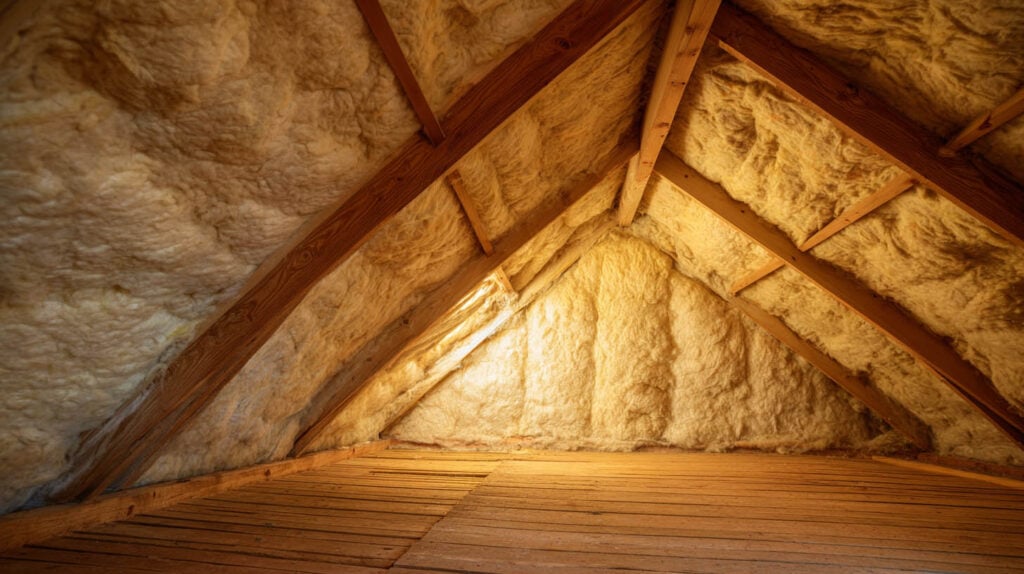
Each insulation option offers distinct benefits tailored to Florida’s unique climate. Blown-in insulation provides excellent coverage, filling gaps and reducing air leaks, while batt insulation is a cost-effective choice that offers adequate thermal resistance but may require proper installation for optimal performance. Spray foam insulation stands out as a premium solution, creating an airtight seal and superior moisture resistance. Evaluating these options based on your home’s specific needs can significantly enhance energy efficiency and indoor comfort, making a substantial impact on energy costs.
Choosing the Right R-Value
Selecting the appropriate R-value is crucial for maintaining energy efficiency in Tampa’s unique climate. Higher R-values provide better thermal resistance, helping to limit heat transfer and control indoor temperatures, especially during the sweltering summer months. The Department of Energy recommends evaluating insulation options, such as fiberglass batt insulation, spray foam insulation, or cellulose insulation. Each type of insulation offers distinct benefits, so understanding the specific R-value needed for attics will ensure that homes remain comfortable while optimizing energy consumption and lowering cooling costs.
The Importance of Roof Ventilation
Proper roof ventilation is just as important as the insulation itself, especially in Florida. Insulation slows heat transfer, but ventilation removes the heat and moisture that inevitably build up in the attic. Without good air circulation, your attic can become a hot, damp space that damages your roof and insulation.
A balanced system of intake and exhaust vents creates a continuous flow of air. This process helps regulate attic temperature and prevent moisture buildup. When combined with quality insulation and proper air sealing, effective ventilation creates a healthy, efficient, and long-lasting roofing system. We will now explore these benefits further.
Preventing Moisture Build-Up
Effective air circulation plays a crucial role in maintaining optimal indoor temperatures in Florida’s humid climate. Proper attic insulation, combined with strategic ventilation, reduces heat transfer and prevents moisture buildup. This synergy mitigates the risk of mold growth and structural damage, ensuring a healthier home. Utilizing radiant barrier insulation and installing vents promotes airflow, allowing humid air to escape while keeping your living space comfortable. Implementing these measures leads to significant energy savings and enhances the overall efficiency of your HVAC system.
How Ventilation Boosts Roof and Insulation Lifespan
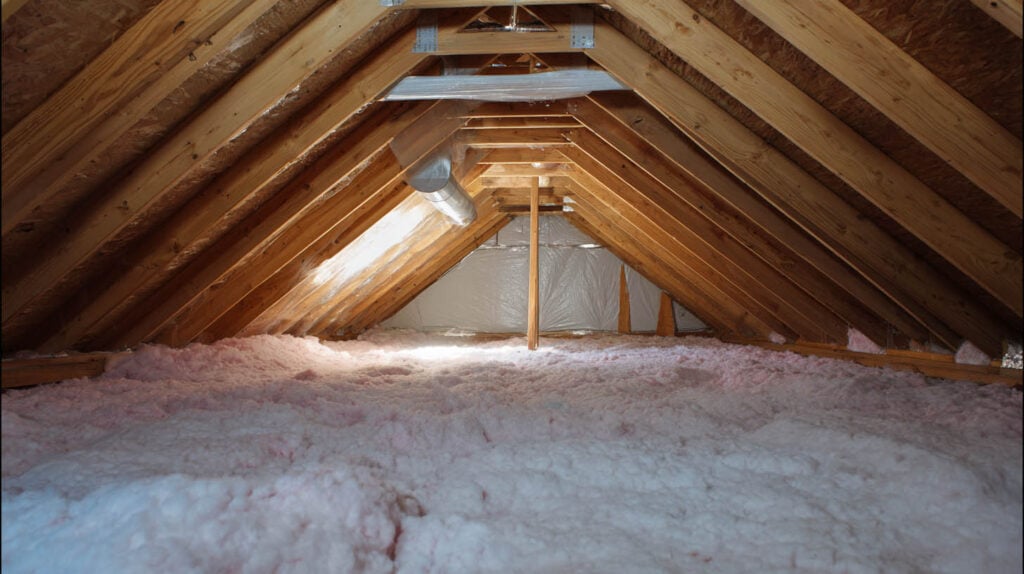
Effective ventilation plays a crucial role in extending the lifespan of both your roof and attic insulation. By promoting air circulation, moisture buildup is minimized, reducing the risk of mold growth and structural damage. This airflow not only enhances thermal resistance but also helps regulate indoor temperatures, making your home more comfortable. Additionally, proper ventilation can significantly decrease cooling costs by reducing the heat transfer into your living space, thus allowing your HVAC system to operate more efficiently.
Signs Your Florida Home Needs Attic Insulation or Roof Improvements
How do you know if your attic insulation or roof needs attention? There are several tell-tale signs that your Florida home isn’t as protected as it should be. Recognizing these indicators early can help you avoid higher energy bills, uncomfortable living conditions, and even potential structural damage.
From inconsistent temperatures inside your home to visible wear and tear on your roof, these clues suggest that your home’s thermal envelope has been compromised. Paying attention to these warnings is the first step toward making necessary roof improvements. Let’s look at some specific signs to watch out for.
Identifying Temperature Imbalances and Rising Utility Bills
Temperature imbalances often reveal themselves through uncomfortable living conditions. Areas of your home may feel excessively warm or cool, signaling potential issues with insulation or airflow. Rising utility bills frequently accompany these imbalances, indicating increased energy consumption due to inefficient temperature regulation. Evaluating your attic insulation and roofing system can help identify air leaks or inadequate insulation. Regular assessments can uncover these inefficiencies, ensuring you maintain a comfortable indoor environment while optimizing your energy savings in Florida’s humid climate.
Spotting Physical Damage and Insulation Wear
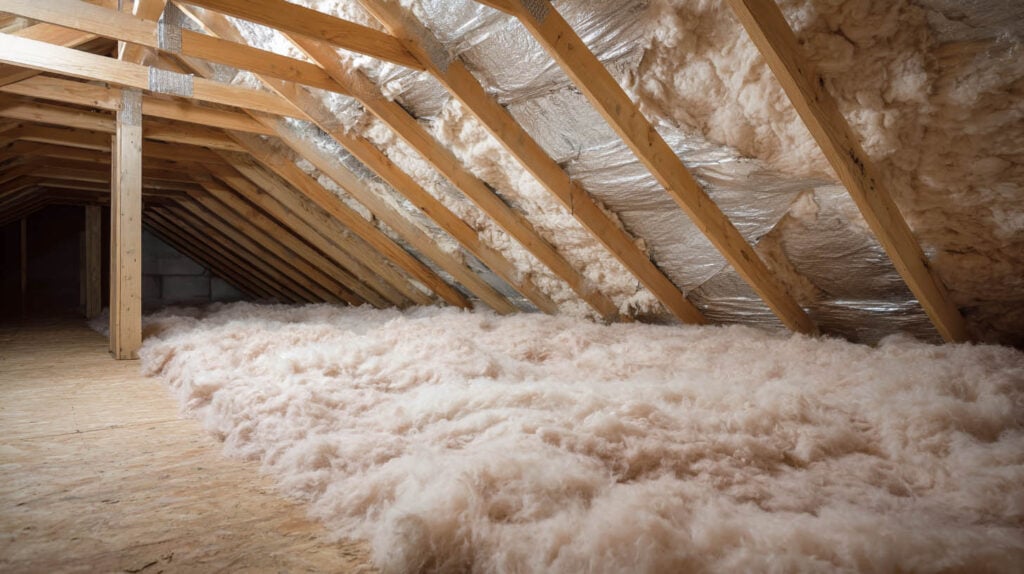
Thorough inspections of your attic can reveal signs of physical damage and insulation wear, pivotal for maintaining a home’s energy efficiency. Look for gaps, cracks, and signs of moisture buildup on the insulation material. Fiberglass batt insulation can sag, diminishing its thermal resistance, while spray foam insulation may crack under prolonged exposure to high temperatures. Addressing these issues promptly helps prevent structural damage and maintains the indoor comfort of your Florida home—ensuring that energetic fluctuations don’t spike your utility bills.
Conclusion
In conclusion, understanding how attic insulation and roofing work together is essential for Tampa, FL homeowners. Our climate’s high humidity and heat make proper insulation and ventilation key to energy efficiency and a longer-lasting roof. Choosing the right insulation and ensuring good ventilation creates a comfortable, sustainable home. For commercial roofing improvements, contact Steadfast Roofing for a quote—we’re here to provide energy-efficient, durable solutions tailored to Florida’s environment.
Frequently Asked Questions
What type of attic insulation is best for Florida?
For Florida’s humid climate, closed-cell spray foam is often the best choice because it provides an excellent thermal and moisture barrier. However, high-quality blown-in cellulose insulation and fiberglass batt insulation are also effective and more budget-friendly options that deliver significant energy savings.
Which way does insulation face in Florida?
For most insulation options like fiberglass batts, the paper or foil facing (the vapor barrier) should face the conditioned living space. In Florida’s climate, this means it should face down toward the attic floor to prevent moisture from the home from entering the attic.
Read our blog: How Aging Skylights Can Lead to Roof Leaks in Florida Homes