Living in Florida means sharing your space with abundant wildlife. While beautiful, these animals can cause significant wildlife damage to your property. Florida homes, especially their roofs, offer an attractive shelter for many pests. This can lead to serious property damage that compromises your home’s safety and structural integrity. At Steadfast Roofing, we understand these local challenges and are here to help protect your home in Tampa, FL.
Understanding Florida’s Unique Wildlife Threats to Roofs
The diverse wildlife in Florida presents unique challenges for homeowners, especially regarding roofing integrity. Species such as raccoons, squirrels, and opossums frequently seek shelter on rooftops, searching for food or nesting sites. Their activities can lead to significant damage, including torn shingles and compromised insulation. Moreover, the humidity and water sources prevalent in Florida attract these unwanted critters, increasing the likelihood of infestations. Understanding these threats allows homeowners to implement effective wildlife control measures, preventing costly repairs and maintaining the home’s structure.
Common Animals That Cause Roof Damage
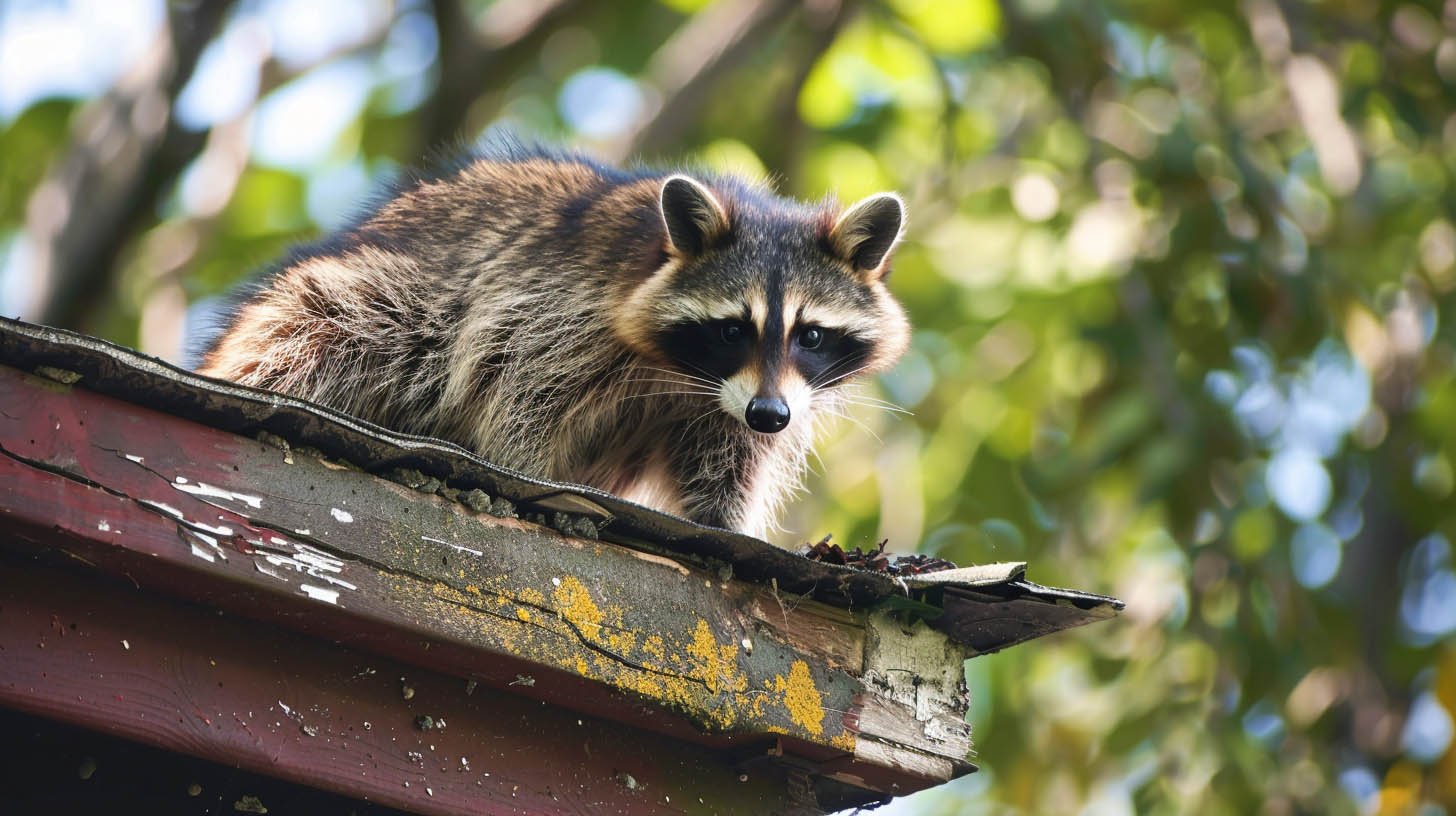
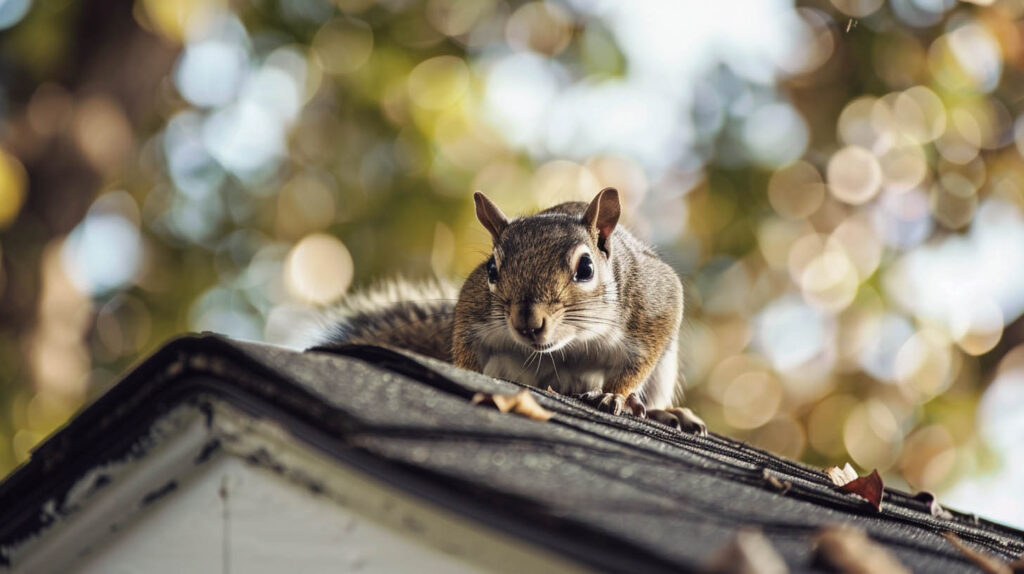
A variety of animals pose significant threats to roofs in Tampa, FL. Squirrels, known for their chewing habits, often gnaw through shingles and insulation in search of shelter. Raccoons can also cause havoc, as they frequently access roofs to raid garbage bins or nests, damaging gutters and vents in the process. Additionally, roof damage can stem from birds establishing nests in eaves or chimneys, leading to potential water leaks and costly repairs if not addressed promptly.
Why Florida’s Climate Attracts Wildlife to Rooftops
The warm, humid climate of Florida serves as a magnet for various types of wildlife, enticing them to explore rooftops in search of food and shelter. Easy access to natural water sources and abundant vegetation, including fruit-bearing trees, encourages these animals to seek refuge in residential areas. This creates potential entry points for nuisance critters, leading to significant structural damage. Homeowners must be vigilant and implement preventative pest control measures to deter unwanted visitors and protect their roofs from future infestations.
Typical Roofing Damage Caused by Local Wildlife
Numerous types of wildlife can wreak havoc on your roofing system, often leading to significant damage. For instance, squirrels and raccoons may chew through shingles in search of nesting materials, compromising the integrity of your roof. Persistent wildlife activity can also lead to structural issues by creating small openings that allow water to penetrate, potentially resulting in leaks or water damage inside your home. Addressing these concerns promptly is crucial to avoid costly repairs and maintain your home’s structure.
Chewing, Nesting, and Scratching: How Animals Affect Shingles
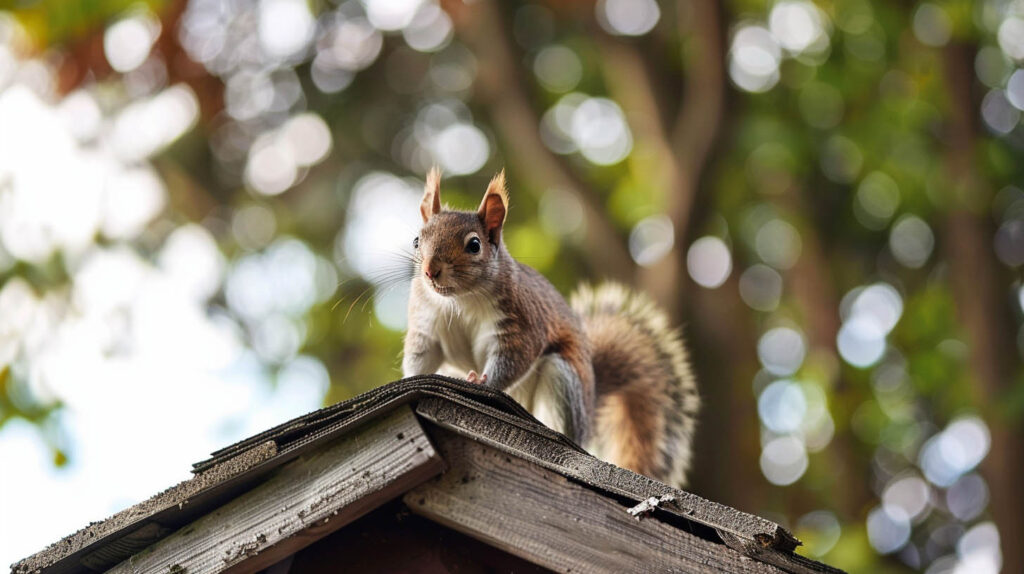
Chewing, nesting, and scratching behaviors of wildlife can lead to significant damage to shingles in Tampa, FL homes. Squirrels and raccoons are notorious for shredding shingles as they search for nesting materials, exposing the roofing beneath. This behavior not only diminishes the roof’s protective layer but can also create potential entry points for moisture, leading to costly repairs from water damage. Homeowners must implement preventative pest control measures to deter these unwanted critters and protect their home’s structure from severe issues.
Risks to Roofing Structure from Persistent Wildlife
Persistent wildlife can inflict significant structural issues on a roof, leading to costly repairs. Animals like raccoons and squirrels may chew through shingles and insulation, creating potential entry points for water damage. Holes can develop due to their nesting behaviors, compromising the integrity of the home’s structure. Furthermore, evidence of droppings or urine can introduce health risks, including leptospirosis and rabies, heightening the need for immediate nuisance wildlife removal to prevent future infestations and protect your property.
Identifying Signs of Animal Activity on Your Roof
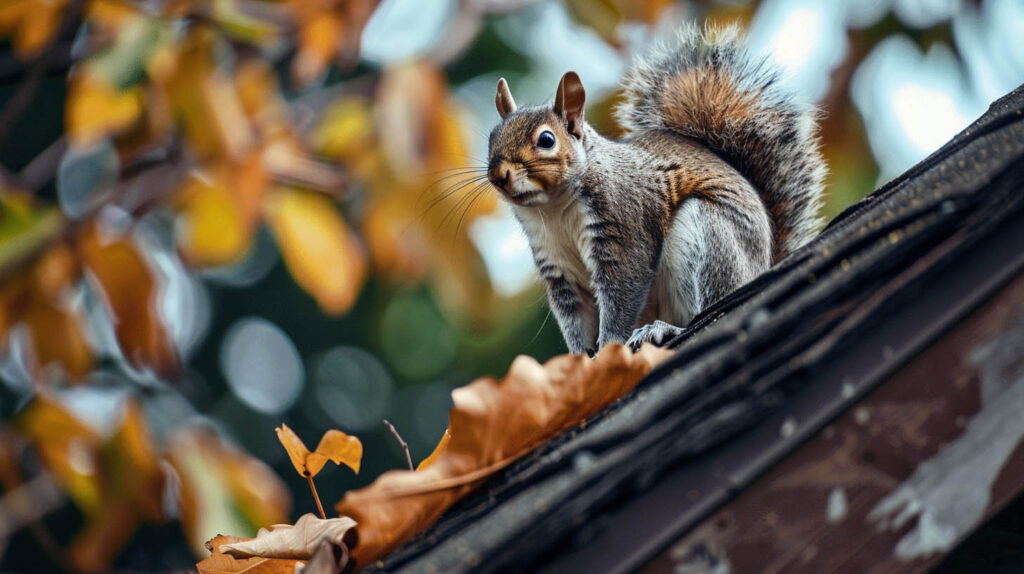
Recognizing the signs of animal activity on your roof is crucial for early intervention and preventative pest control. Look for visible entry points, such as small openings around vents or chimneys, which may indicate an intrusion by unwanted critters. Additionally, droppings, scratches, or damaged shingles are telltale indicators of a potential infestation. Sounds, such as scratching or scurrying, coupled with unusual odors, might signal a broader wildlife issue that could lead to structural damage or health risks if left untreated.
Visible Entry Points and Roof Damage Indicators
Identifying visible entry points is crucial for homeowners in Tampa, as these openings can lead to significant wildlife damage. Cracked shingles, torn vents, and displaced chimney caps serve as indicators of potential infestations. Observing droppings or nesting materials around gutters can further confirm the presence of unwanted critters. Addressing these issues promptly is essential to prevent future infestations, as these vulnerabilities can escalate to costly repairs and structural damage, compromising the integrity of your home’s structure.
Sounds and Smells: Hidden Clues of Wildlife Infestation
Unusual sounds and persistent odors often signal a wildlife infestation in your attic or roof. Scratching and scurrying noises, particularly at dawn or dusk, may indicate visitors like raccoons or squirrels. Meanwhile, strong, unpleasant smells can stem from animal droppings or urine, indicating nesting or decay. Identifying these sensory clues is vital for early intervention. By addressing these signs promptly, homeowners can mitigate potential structural damage and costly repairs, ensuring their home remains safe from unwanted critters.
Common Entry Points Used by Wildlife in Florida Homes
Small openings around vents, gutters, and chimneys often serve as prime entry points for unwanted critters seeking refuge. Tree branches that hover near rooftops create accessible pathways for squirrels, raccoons, and other wildlife in search of food or nesting space. Additionally, plumbing and electrical wiring penetrations can become significant vulnerabilities, allowing for future infestations. Homeowners should focus on sealing these entry points to prevent structural damage, which may lead to expensive repairs and health risks associated with wildlife.
Vulnerable Roof Features: Vents, Gutters, Eaves, and Chimneys
Certain features of roofs in Tampa, FL, are particularly susceptible to wildlife intrusion. Vents can serve as major entry points for small critters like squirrels and raccoons, while improperly secured gutters can attract unwanted occupants searching for water sources. Eaves and chimneys provide shelter and nesting opportunities, leading to significant wildlife damage. To prevent these vulnerabilities, homeowners should regularly inspect and seal any small openings, ensuring that structural integrity is maintained and lowering the risk of costly repairs and future infestations.
How Trees and Landscaping Create Easy Access to Roofs
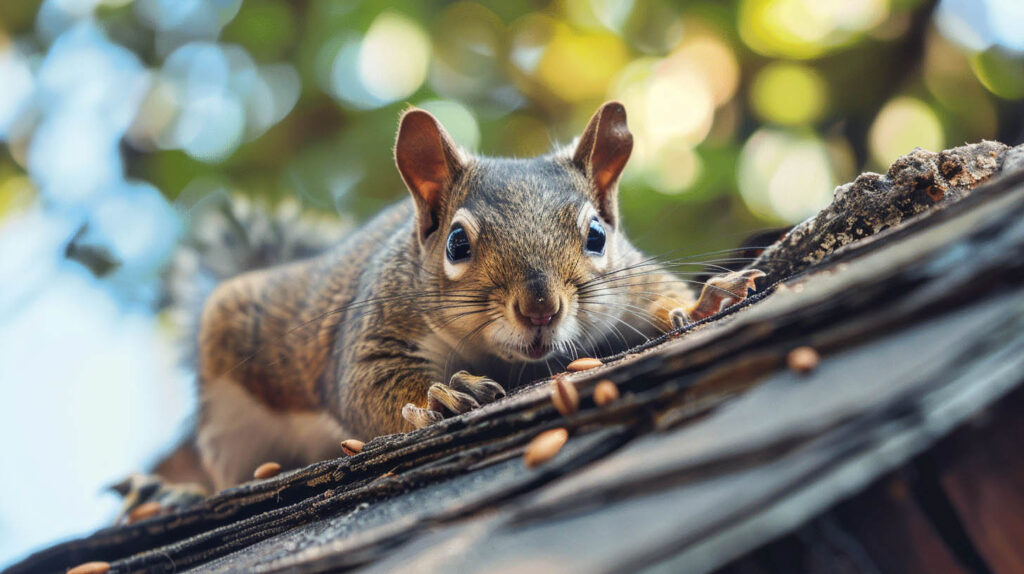
Overhanging tree branches and overgrown landscaping significantly increase the risk of wildlife accessing your roof. These natural features provide convenient pathways for unwanted critters like squirrels and raccoons, facilitating their search for food and shelter. Additionally, dense foliage can hide potential entry points, allowing pests to remain undetected. Homeowners should consider regular tree trimming and maintaining landscaping to create barriers that deter wildlife, reducing the chances of future infestations and avoiding costly repairs stemming from roof damage.
In Summary
Maintaining the integrity of your roof against Florida’s unique wildlife is crucial for protecting your home’s structure. Implementing preventative pest control measures, such as sealing entry points and removing potential attractants, will significantly reduce the risk of future infestations. With the knowledge of common nuisance wildlife and their behaviors, homeowners can effectively deter unwanted critters.
Frequently Asked Questions
Does insurance cover animal damage to roof?
Most standard homeowner’s insurance policies do not cover property damage caused by pests like rodents, raccoons, or birds. This type of damage is often considered a maintenance issue. However, some policies may cover specific events, so it’s best to review your coverage details carefully.
What should I do if an animal lives in my roof?
If you discover an animal in your roof, avoid handling it yourself. Contact a professional for humane wildlife removal. Once the animal is gone, call us at Steadfast Roofing to inspect the damage, perform necessary repairs, and seal entry points to prevent future intrusions into your attic.
Does insurance pay for a new roof in Florida?
In Florida, insurance may cover a new roof if the damage is caused by a covered peril, like a hurricane or fire. Coverage for damage from age, wear and tear, or wildlife is typically not included. Your policy details will determine the extent of your coverage for expensive repairs.
Read our blog: Innovative Roofing Tech: Cool Roof Coatings and Solar-Ready Surfaces for Florida Homes