In hurricane-exposed areas, like Florida, our roofs face a relentless assault from powerful winds, torrential rain, hail, and flying debris. At the forefront of storm preparedness, Steadfast Roofing in Riverview, FL, ensures that homeowners understand how these elements affect roofing systems and what proactive measures can be taken to safeguard them.
🌪️ 1. Wind Force: The Primary Threat
Wind Uplift and Pressure Dynamics
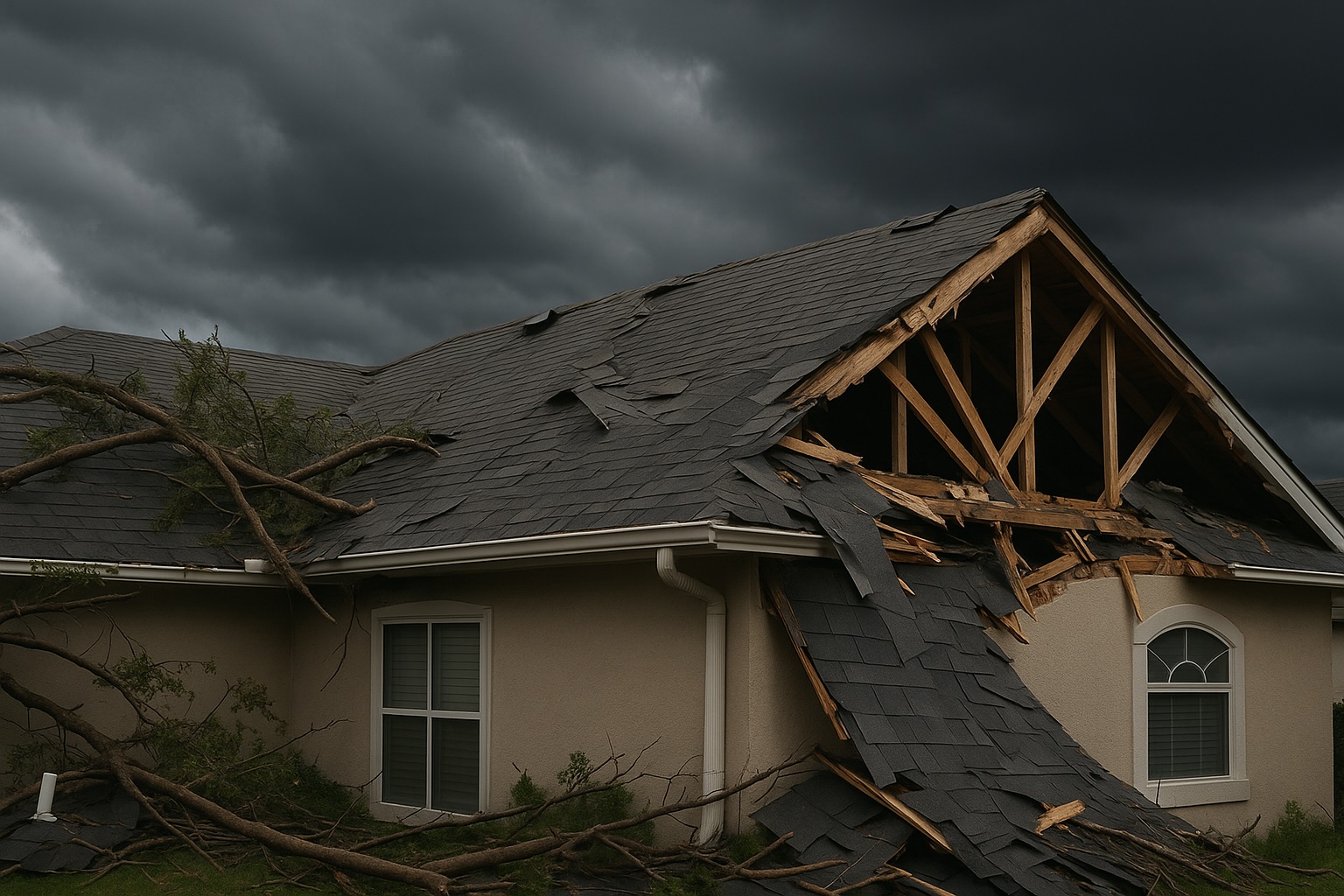
Hurricane-force winds generate strong uplift on shingles and underlayment. High-speed gusts exert positive pressure on windward surfaces and negative suction on leeward sides and ridges, which often leads to edge-grip failure or full shingle blow-offs. Roofs with inadequate fastening or worn materials are particularly vulnerable.
Debris Impact and Puncture Risk
When wind tosses tree branches, outdoor objects, or loose roofing shingles, the risk of impact increases significantly. An airborne branch striking a roof can puncture or fracture tiles, creating immediate leak points. These penetrations can grow worse during prolonged storms.
💧 2. Rainfall and Moisture: Hidden but Devastating
Prolonged Roof Saturation
Sustained torrential rain can overwhelm shingles and compromise seams. If protective layers are compromised, moisture infiltrates decking and insulation, accelerating rot and mold growth, and weakening structural supports.
Gutter Clogs Amplify Overflow
Wind can hurl leaves, shingle granules, and debris into gutters. Blockages redirect water onto fascia boards and exteriors, increasing the likelihood of concealed leaks behind walls or under eaves.
❄️ 3. Hail: The Unseen Damager
Though overshadowed by wind and rain, hail damage is critical. High-velocity hailstones can crack shingles, dent metal roofing, and fracture edges, often in hidden locations like valleys or eave ends. These micro-damages are culprits for subtle but persistent leaks.
🌡️ 4. Thermal Stress and Material Fatigue
Cyclone conditions often bring sharp temperature shifts—from storm surge breezes to direct sunlight after the storm. These fluctuations cause expansion and contraction cycles that exacerbate wear on underlayment and sealants, degrading waterproofing over time.
🏠 5. Roof Design and Material Resilience
Roofing Profiles and Pitch Considerations
Roofs with steeper pitches shed water and debris quickly, reducing the likelihood of pooling and wind exposure. Conversely, flatter configurations suffer increased uplift pressure and water retention. Likewise, hip or multi-faceted roof designs better diffuse wind stress compared to gabled shapes.
Impact of Roofing Materials
- Asphalt Shingles: Popular but wear faster under high winds; essential to install with adequate nails and underlayment.
- Metal Roofing: Offers superior wind resistance—especially interlocking panels—but still requires precise fastening to avoid uplift.
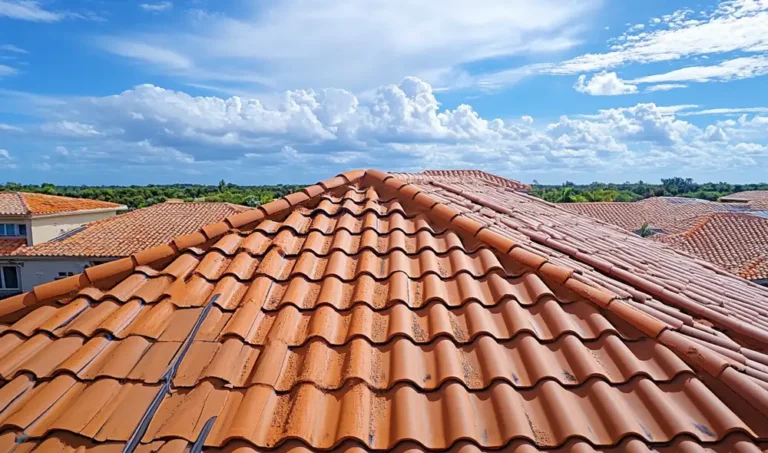
- Tile and Slate: Heavy and durable, yet individual units are brittle and vulnerable to fracture or displacement.
👀 6. Warning Signs: Detect Early for Better Outcomes
- Visible Gaps or Curling Shingles
- Granule Accumulation in Gutters
- Minor Water Streaks in Attic Ceilings
- Loosening Flashing Around Chimneys or Roof Vents
Spotting these early will help prevent acute damage during the next storm.
🧰 7. Prepping Before, During, and After Hurricanes
Before the Storm
- Secure or store outdoor furniture and trim nearby branches.
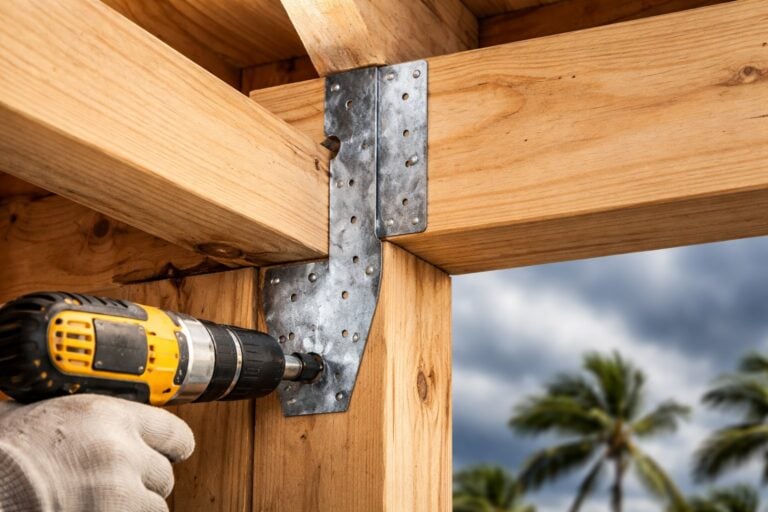
- Inspect and reinforce weak sections (flashing, ridge caps, around penetrations) using hurricane straps or exactly-rated fasteners.
- Ensure gutters are clear and flashing is tightly sealed.
During the Storm
- Stay indoors; visibly inspecting the roof while winds persist is hazardous.
- Use temporary, leak-preventive tarps if water intrusion begins, but only when safe.
After the Storm
- Schedule a professional roof inspection immediately. Even if no visible damage exists, moisture infiltration or unseen fastener failures can require urgent attention.
- Repair or resecure any displaced tiles, cracked shingles, or flashing.
- Restore gutters and fascia to minimize vulnerabilities for the next storm.
✅ 8. Preventative Strategies for Long-Term Durability
- Use high-wind-rated shingles and secure them with the manufacturer’s maximum fasteners (e.g., six nails per shingle).
- Install full peel-and-stick or synthetic underlayments beneath primary roofing materials for secondary water protection.
- Apply hurricane-rated flashing around all roof penetrations, including vent pipes, chimneys, and rooftop HVAC vents.
- Ensure soffits and fascia are hurricane-strapped to rafters or trusses to prevent uplift at roof edges.
- Design or retrofit stronger roof-to-wall connections using metal straps or tie-down kits.
📊 9. Investing in Resilience: Long-Term ROI
Homes with hurricane-resistant roofing systems often benefit from lower insurance premiums and reduced maintenance costs. Investing in resilient materials and high-quality installation can significantly minimize long-term expenditures and protect property value.
CONCLUSION
Understanding how hurricanes stress your roof equips you to take strategic action. With proactive inspections, resilient materials, and precise installation, homeowners can significantly reduce the impact of wind, rain, hail, and thermal damage. For comprehensive roofing solutions tailored to extreme weather, consult Steadfast Roofing in Riverview, FL.
Take a moment to read one of our latest blogs: “How to Find a Trusted Roofer in Your Area: A Definitive Guide ”.