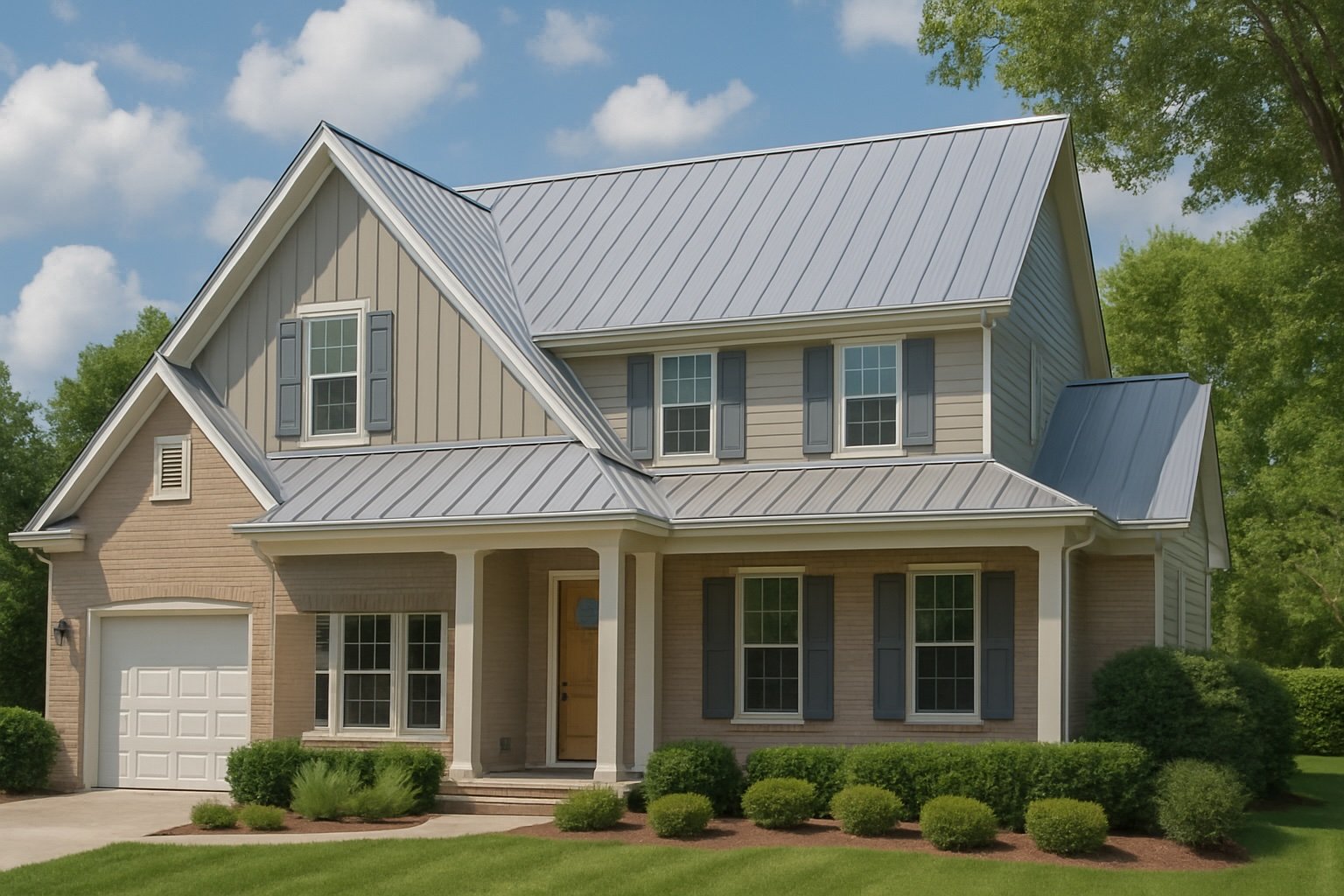
A properly installed metal roof in Florida typically lasts 40 to 70 years, with some premium systems lasting even longer under the right conditions. At Steadfast Roofing, located in Ruskin, FL, we evaluate metal roof lifespan through a Florida-specific lens: hurricane winds, coastal salt exposure, UV intensity, heavy rain, humidity, fastener performance, panel quality, coatings, ventilation, and maintenance history. In this climate, the question is not simply how long metal lasts—it is how well the system is designed, installed, and maintained for Florida conditions. To assess an existing system, compare what you see with these signs of an aging metal roof.
Average Metal Roof Lifespan in Florida
Most Florida homeowners can expect the following general lifespan ranges:
| Metal Roofing System | Typical Florida Lifespan | Key Lifespan Factors |
| Exposed-fastener metal panels | 25–40 years | Fastener wear, washer failure, sealant maintenance |
| Standing seam metal roofing | 40–70 years | Hidden fasteners, panel gauge, coating quality |
| Aluminum metal roofing | 40–60+ years | Excellent coastal corrosion resistance |
| Galvalume or coated steel roofing | 35–60 years | Finish quality, salt exposure, installation details |
| Copper or zinc roofing | 60–100+ years | Premium cost, natural patina, expert installation |
Standing seam metal roofs generally deliver the best long-term performance because the fasteners are concealed beneath raised seams. This reduces direct exposure to rain, UV, salt air, and thermal movement—four of the biggest causes of premature metal roof failure in Florida.
Why Florida’s Climate Affects Metal Roof Longevity
Florida is one of the most demanding roofing environments in the country. A metal roof may perform beautifully for decades, but only if the system is chosen for the property’s location and exposure.
The biggest lifespan challenges include:
- UV radiation: Constant sunlight can fade finishes, degrade sealants, and accelerate chalking.
- Humidity: Moist air increases the risk of oxidation where coatings are scratched or worn.
- Salt air: Coastal homes face higher corrosion risk, especially near bays, canals, and the Gulf.
- Wind-driven rain: Storms test seams, flashing, valleys, penetrations, and underlayment.
- Thermal expansion: Metal expands and contracts daily, which can loosen poor fasteners or stress panels.
- Hurricane uplift: Roof systems must be installed according to Florida wind-load requirements.
This is why Florida metal roofing should never be treated as a generic product. The panel profile, metal type, coating, fasteners, underlayment, ventilation, and installation method must work together as a complete system.
Coastal Corrosion: The Hidden Lifespan Factor
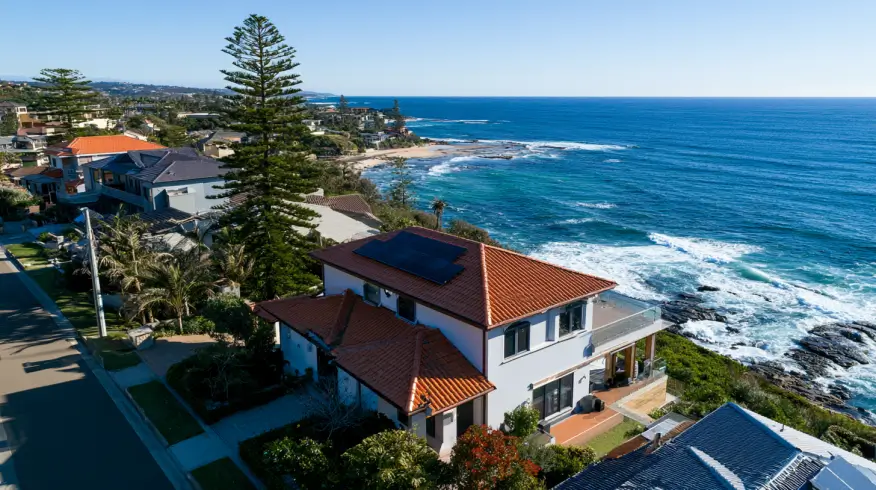
For homes in Ruskin, Apollo Beach, Tampa Bay, Sarasota, Bradenton, St. Petersburg, and other coastal areas, corrosion resistance is one of the most important lifespan factors. Salt particles carried by coastal air can settle on panels, trim, screws, cut edges, and flashing. Over time, salt accelerates corrosion where protective coatings are weak, damaged, or incompatible with surrounding metals.
The Federal Emergency Management Agency provides guidance on corrosion protection in coastal areas, including the importance of corrosion-resistant materials in salt-air environments. For roofing, this means coastal homes often benefit from aluminum panels, high-performance painted finishes, stainless or corrosion-resistant fasteners, compatible flashing metals, and disciplined maintenance.
A common mistake is using the right panel with the wrong accessories. A premium metal roof can still fail early if fasteners, clips, sealants, pipe boots, or trim metals are not suitable for coastal exposure.
Fasteners: Small Components That Control Big Lifespan Outcomes
Fasteners are one of the most overlooked parts of metal roof longevity. On exposed-fastener systems, screws penetrate the panel surface and rely on washers to seal out water. In Florida, those washers face heat, UV, expansion, contraction, and heavy rainfall. Over time, they can shrink, crack, loosen, or back out.
Warning signs of fastener-related aging include:
- Raised screw heads
- Cracked rubber washers
- Rust rings around fasteners
- Small leaks after wind-driven rain
- Panel movement or rattling
- Sealant failure near penetrations
Standing seam systems reduce this vulnerability because clips and fasteners are hidden below the panel seams. That is one reason standing seam metal roofing often outlasts exposed-fastener systems in Florida, especially on homes with strong sun exposure or coastal conditions.
Coatings and Finishes: The Roof’s First Line of Defense
A metal roof’s finish protects the panel from UV damage, moisture, oxidation, and color loss. High-performance coatings, such as PVDF-based finishes, are often preferred for long-term color retention and weather resistance. Lower-quality finishes may still protect the metal for a period of time, but they are more likely to fade, chalk, or break down sooner in Florida’s sun.
Coating performance matters most on:
- South- and west-facing roof slopes
- Coastal properties exposed to salt spray
- Low-slope areas where debris holds moisture
- Cut edges, scratches, and panel seams
- Roof sections beneath trees or near gutters
Reflective coatings also support energy performance. The U.S. Department of Energy explains that cool roofs reflect more sunlight and absorb less solar energy, which can help reduce roof surface temperatures in hot climates. For Florida homeowners, a reflective metal roof can improve comfort and reduce cooling demand, especially when paired with proper attic ventilation and insulation.
Residential vs. Commercial Metal Roof Lifespan
Residential metal roofs and commercial metal roofs experience different performance demands.
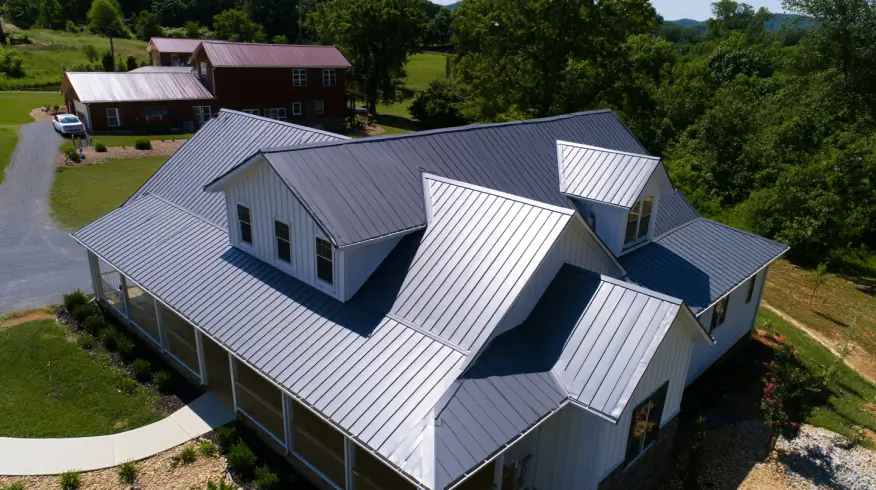
For residential properties, metal roof lifespan is often influenced by attic ventilation, roof pitch, tree coverage, salt exposure, fastener condition, and storm history. A well-installed residential standing seam system can last 40–70 years with routine inspections.
For commercial properties, lifespan depends heavily on roof slope, drainage, foot traffic, mechanical equipment, penetrations, maintenance access, and coating condition. Commercial metal roofs may have more seams, curbs, HVAC penetrations, and drainage points, all of which require regular inspection. Even when panels remain structurally sound, sealants and flashing details may need service long before the roof reaches the end of its useful life.
How Maintenance Extends Metal Roof Life
Metal roofing is low maintenance, not no maintenance. The best way to maximize lifespan is to catch small issues before they become leaks, corrosion, or panel damage.
We recommend homeowners review our Essential Roof Maintenance Guide for Florida Homes for seasonal upkeep strategies. For metal roofs specifically, maintenance should include:
- Inspecting fasteners, clips, seams, and flashing
- Cleaning gutters and valleys
- Removing leaves, branches, and trapped debris
- Checking pipe boots, vents, skylights, and chimneys
- Looking for scratches, rust spots, chalking, or coating wear
- Rinsing salt deposits from coastal roofs when appropriate
- Scheduling inspections after major storms
- Repairing minor sealant or flashing issues quickly
At Steadfast Roofing, we pay close attention to small details because metal roof failures often begin at connection points: fasteners, penetrations, valleys, transitions, and edges.
Signs a Metal Roof May Be Nearing Replacement
A metal roof does not usually fail all at once. It shows signs of decline over time. Homeowners should schedule an inspection if they notice:
- Persistent leaks after repeated repairs
- Widespread rust or corrosion
- Loose, lifted, or shifting panels
- Failed seams or separated flashing
- Significant coating loss
- Repeated fastener back-out
- Soft decking beneath the roof
- Interior stains or attic moisture
- Storm damage from wind or impact
A roof with isolated issues may only need repairs. A roof with widespread corrosion, systemic fastener failure, or recurring leaks may be approaching replacement.
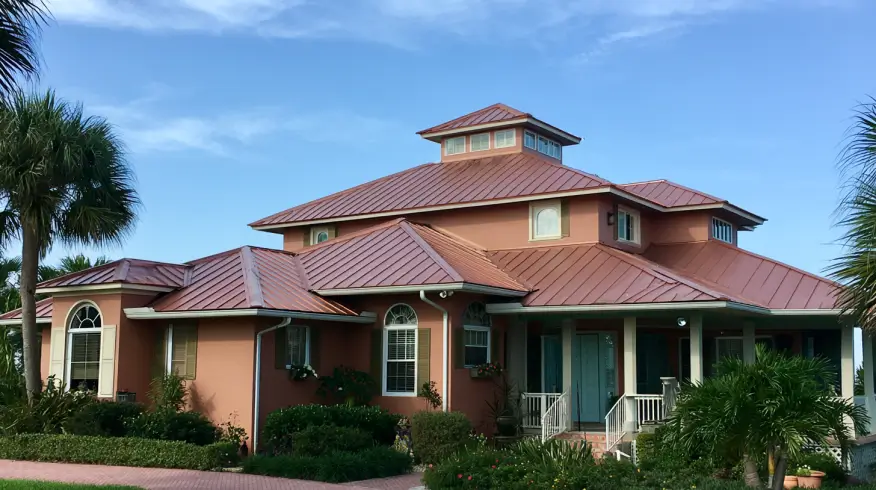
Is a Metal Roof Worth It in Florida?
For many Florida homeowners, metal roofing is one of the strongest long-term roofing investments available. The upfront cost is typically higher than asphalt shingles, but the extended lifespan, storm resistance, energy efficiency, and lower replacement frequency can make metal roofing more cost-effective over time.
A well-designed metal roof is especially valuable for homeowners who plan to stay in the property long term, want stronger wind performance, prefer a clean architectural appearance, or are tired of replacing shingles after Florida storms.
To explore system options, panel styles, and installation details, visit our metal roofing services page.
Schedule a Metal Roof Inspection or Estimate
If your current roof is aging, leaking, storm-damaged, or showing signs of wear, a professional inspection is the best next step. Steadfast Roofing can evaluate your roof condition, explain whether repair or replacement makes more sense, and help you compare metal roofing options for your home or commercial property.
Conclusion
A metal roof in Florida typically lasts 40 to 70 years, but the real lifespan depends on material selection, coastal exposure, coating quality, fastener design, installation workmanship, ventilation, storm history, and maintenance. Standing seam systems usually offer the strongest long-term performance because they protect fasteners from direct weather exposure. In coastal areas, corrosion-resistant materials and compatible accessories are essential. With the right system and proactive care, a metal roof can provide decades of reliable protection, energy efficiency, and storm-ready performance for Florida homes and businesses.
FAQ
How often should a metal roof be inspected in Florida?
A metal roof in Florida should be inspected at least once per year and after major storms. Coastal homes, commercial buildings, and roofs with many penetrations may benefit from twice-yearly inspections. The inspection should include panels, seams, fasteners, flashing, sealants, gutters, valleys, pipe boots, and any signs of corrosion or coating wear.
Does salt air shorten the life of a metal roof?
Yes, salt air can shorten the life of a metal roof if the wrong materials, fasteners, coatings, or accessories are used. Salt accelerates corrosion, especially at scratches, cut edges, exposed fasteners, and incompatible metal connections. Coastal properties should use corrosion-resistant materials, proper coatings, compatible components, and regular cleaning or inspection practices.
Is standing seam metal roofing better for Florida?
Standing seam metal roofing is often one of the best choices for Florida because it uses concealed fasteners, raised seams, and a clean water-shedding design. This helps reduce leak risk, improves wind performance, and limits fastener exposure to UV, rain, and salt air. It is especially valuable for homeowners who want a long-lasting, low-maintenance metal roof system.