At Steadfast Roofing, we emphasise proactive measures designed to help homeowners protect their property and avoid costly water damage by correctly identifying early signs of roof leaks and implementing effective prevention strategies. Based in Tampa, FL, our team brings deep expertise in Florida-specific roofing challenges and in the implementation of durable solutions.
Understanding Roof Leak Risks in Florida’s Climate
Why Florida Roofing Demands Extra Attention
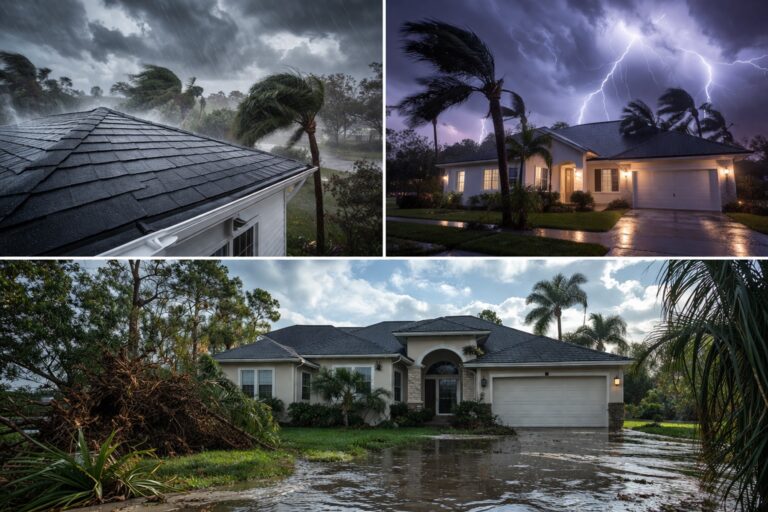
The subtropical climate brings heavy rainfall, high humidity, intense UV exposure, and frequent storm events. These conditions accelerate the aging of roofing materials, compromise flashing seals, encourage mold growth, and increase the risk of infiltration. Recognising this environment enables us to tailor detection and prevention methods to Florida’s unique demands.
Common Leak Entry Points on Residential Roofs
We consistently see water intrusion originate around:
- Penetrations and roof features: chimneys, vent stacks, skylights, and plumbing jack flashings.
- Flashing failures: improperly sealed or corroded metal components, especially in coastal zones.
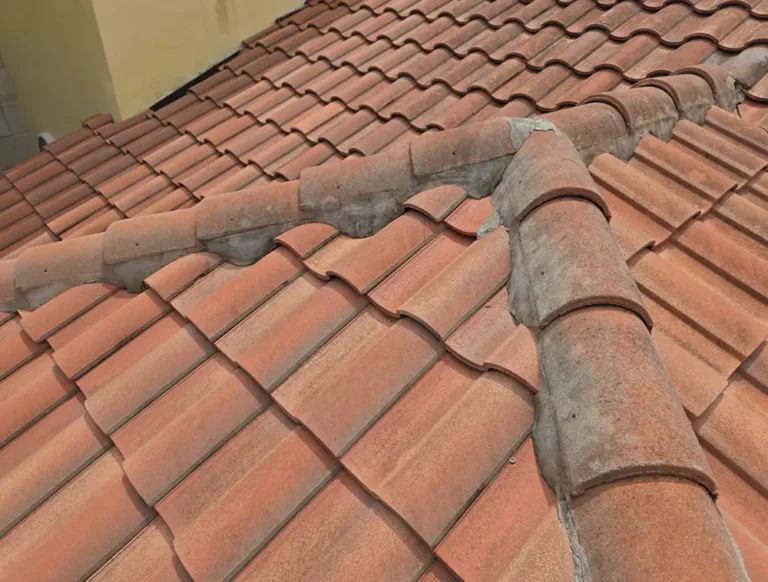
- Shingle or tile damage: curling, granule loss, or cracked units allow moisture to breach the underlayment.
- Gutters and drainage issues: blocked or overflowing gutters force water back under eaves and fascia.
- Attic ventilation deficits: trapped heat and moisture beneath the roof deck shorten lifespan and create condensation-driven leaks.
Early Warning Signs of a Roof Leak
Interior Indicators
- Water stains or brownish discoloration on ceilings or walls.
- Peeling paint, bubbling drywall, or blistered plaster near the ceiling.
- Musty odours, visible mold/mildew, or damp insulation in the attic.
- Light or daylight penetrating the roof from within the attic space.
Exterior & Roof Surface Clues
- Missing, cracked, or curled shingles; dislodged tiles.
- Granule accumulation in gutters indicates asphalt shingle degradation.
- Rusted or loosened flashing, exposed fasteners, or degraded sealants.
- Sagging roof deck sections or visible dips – indicating structural compromise.
- Debris-filled gutters, clogged downspouts, or water pooling at the roof-edge.
Comprehensive Prevention Strategy for Roof Leaks
Schedule Routine Roof Inspections
We recommend bi-annual professional inspections — once in spring and once in late fall — plus additional checks after major storm events. These inspections evaluate flashing, shingles/tiles, underlayment exposure, attic ventilation, and drainage systems.
Maintain and Clean Drainage Systems
Ensure gutters and downspouts are clear of leaves, debris, and sediment. Proper drainage prevents water backup under eaves and helps avoid moisture intrusion at fascia and roof perimeter junctions.
Repair Damage Immediately
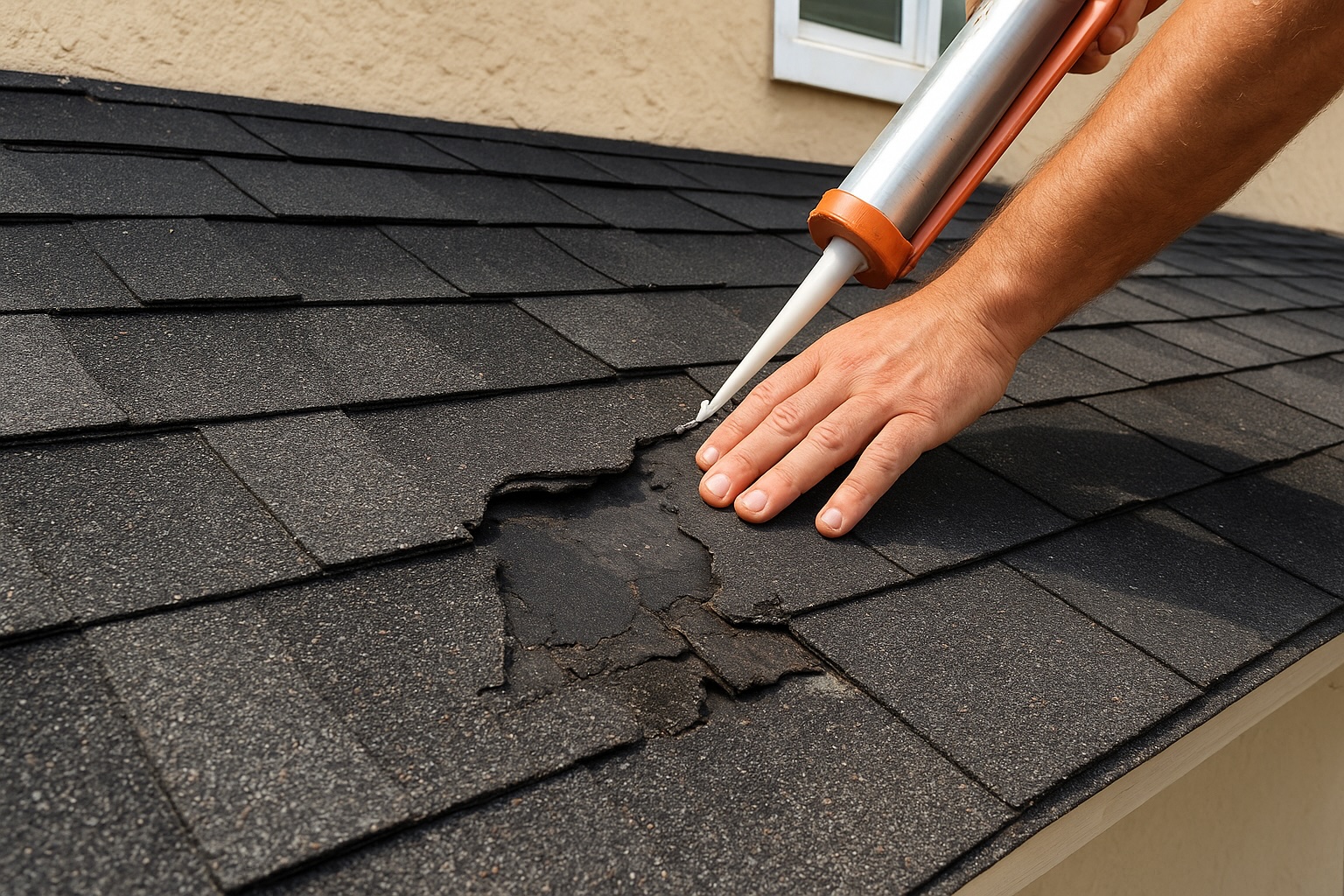
When we find damaged shingles, cracked tiles, or failing flashing, we act swiftly. Even a single compromised tile can allow water ingress, undermining the entire roof system.
Ensure Proper Attic Ventilation & Insulation
We verify that attic spaces are ventilated to allow heat and moisture to escape. This reduces thermal stress on roofing materials, mitigates condensation risk, and lengthens system life.
Install High-Quality Flashing & Sealants
We deploy corrosion-resistant flashing materials suitable for Florida’s coastal environment and use premium, UV-resistant sealants. Proper flashing at all penetrations and intersections is one of the most effective leak-prevention measures.
Document Conditions & Track Roof History
Keeping detailed inspection reports, photographs, and maintenance logs allows us to understand the roof’s aging process, identify emerging patterns, and plan replacement before failures occur.
When Small Leaks Suggest Larger Problems
A seemingly minor leak can be the symptom of a systemic issue. We look out for:
- Soft or rotten roof deck sections revealed during inspection or repair.
- Multiple leaks across different roof areas indicate material ageing or system failure.
- Older roofing systems (10-20+ years), where newer components won’t align with older construction standards.
- Signs that past repairs haven’t addressed root causes — repeated patches often indicate it’s time for more comprehensive intervention.
In these situations, we educate homeowners about full roof system replacement or significant remediation to avoid recurring issues.
Aligning Maintenance With Long-Term Home Protection
Insurance & Resale Considerations
A well-maintained, leak-free roof supports home resale value and can improve insurance eligibility and costs. Insurance companies increasingly review roof age, condition, and storm-readiness when issuing policies.
Cost Efficiency of Prevention vs. Repair
Addressing early signs of leaks is far less expensive than remediating widespread water damage, structural rot, or mold remediation. We advise homeowners to consider life-cycle cost, not just upfront savings.
System Longevity & Performance
A properly maintained roof with the right materials, ventilation, and flashing can perform up to or beyond its rated lifespan. We craft strategies that consider durability, weather-resistance, and future-readiness.
Best Practice Checklist for Homeowners
- Bi-annual professional roof inspection scheduled each spring and fall.
- Monthly visual surface check after storms – look for missing shingles, granules in gutters, flashing issues.
- Clean gutters/downspouts at least twice per year and after hurricane season.
- Ensure attic ventilation and insulation are optimal – no blocked vents or warm attic conditions.
- Track roof age, past repairs, and flashing or deck modifications to help with future planning.
- When damage is localized and minor, proceed with targeted repair; when damage is widespread or the roof is ageing, budget for replacement.
Conclusion
By proactively identifying the subtle signs of roof leaks, executing strategic preventive measures, and engaging timely professional support, homeowners in Florida can significantly reduce risk, protect their property, and maximize roof longevity. With consistent vigilance and the right expertise, your roofing system remains strong, resilient, and leak-free for years to come.
Take a moment to read one of our latest blogs: “Roof Leak Repair or Replacement: What Florida Homeowners Should Know”.