Key Takeaways
- Complete major roof work between March and May, before hurricane season starts June 1 and before contractor schedules get tight. If it is already late May or June, prioritize inspection, leak repairs, gutter clearing, documentation, and emergency readiness first.
- Book a professional roof inspection if your roof is older, leaking, or was built/re-roofed before the statewide Florida Building Code took effect in 2002 or before later wind-mitigation reroofing requirements.
- Clear gutters, trim trees, secure outdoor items, and remove debris before storm season is in full swing.
- Ask whether roof-to-wall connectors can be evaluated or upgraded during a permitted reroof, where accessible and code-applicable.
- Tampa Bay homeowners can schedule a pre-season roof inspection with Steadfast Roofing to identify leaks, loose materials, flashing issues, gutter problems, and storm-related vulnerabilities before peak hurricane months.
If you searched for hurricane roof prep tips tampa bay, you are probably trying to protect your home before the next named storm. Preparing your roof for hurricane season is critical to protecting your entire home from high-wind uplift and wind-driven rain. This guide walks Tampa homeowners through practical roof checks, upgrades, insurance steps, and a simple hurricane preparation timeline.
Why Hurricane Roof Prep Matters So Much in Tampa Bay
The Atlantic hurricane season runs from June 1 through November 30, with peak risk in the Tampa Bay area typically from mid-August through mid-October. Even with NOAA’s below-normal 2026 Atlantic outlook, Tampa Bay homeowners should prepare early because one tropical storm or hurricane can expose weak shingles, tiles, flashing, gutters, and roof decking. So hurricane readiness matters across Hillsborough, Pinellas, and Pasco counties. Even a tropical storm can cause roof damage when high winds, heavy rain, and flying debris hit existing issues.
- Tampa Bay’s shallow water and funnel-shaped coastline can amplify storm surge toward South Tampa, St. Pete, and Clearwater.
- Many local homes still have older roofs built or re-roofed before the statewide Florida Building Code took effect in 2002 or before later wind-mitigation reroofing requirements.
- Taking care of repairs before the peak storm months of August through October will protect your home from high winds and wind-driven rain.
- A strong hurricane plan should also consider your flood zone, evacuation zone, important documents, household members, and shelters that accept pets.
Step 1: Start with a Ground-Level Roof Check
A ground-level visual inspection of your roof can help identify missing or damaged shingles, areas that look wavy or sunken, and any visible rust or separation at the gutters. Do not climb onto the roof in unsafe conditions; start from the yard with binoculars.
Walk the perimeter and look for loose shingles, curled shingles, cracked tiles, sagging rooflines, and gaps at valleys or ridges. Check flashing, drip edge, soffit, and fascia for stains, peeling paint, corrosion, or soft spots. Date-stamped photos of your roof taken before hurricane season serve as valuable evidence for insurance claims, helping to establish the roof’s condition prior to any storm damage.
Step 2: Clear Gutters and Downspouts Before Heavy Rains
Clogged gutters are a common but preventable source of roof-edge leaks during heavy rainfall. When leaves, branches, granules, and debris block drainage, water can back up against the fascia, run under the drip edge, and increase the risk of interior water damage during a tropical system.
Clean gutters and downspouts at least twice per year, with one cleaning in April or May before hurricane season. Run hose water through each section to confirm that water reaches the downspouts and drains away from the foundation. Repair loose hangers, sagging runs, or separated downspouts before strong winds arrive.
Step 3: Trim Trees and Remove Overhanging Branches
Wind-whipped limbs are a major cause of broken tiles, punctured shingles, damaged gutters, and clogged roof valleys. Trim branches that extend over the roof, lean toward the house, or show signs of decay before hurricane season.
For large oaks, palms, and pines, schedule a licensed tree professional in February or March when possible. Trimming early reduces roof impact risk and helps keep debris out of gutters during summer storms.
Contact Us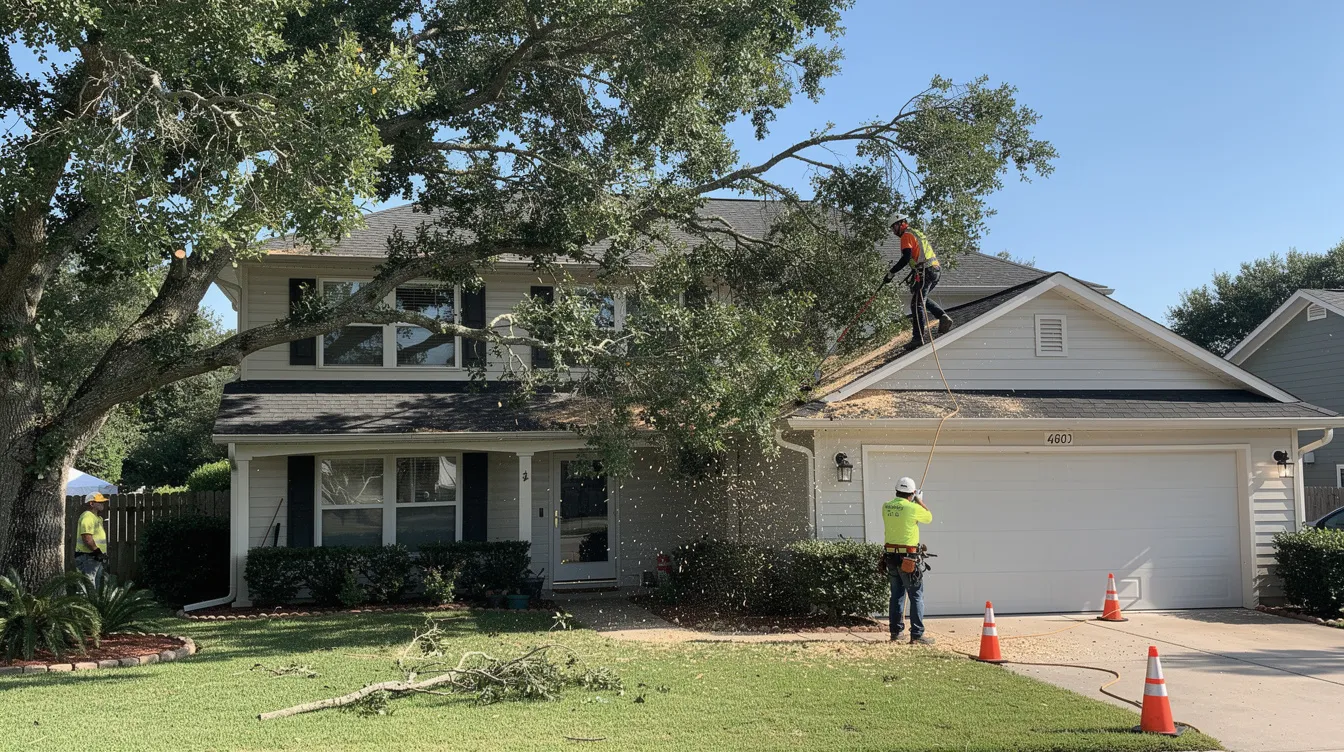
Step 4: Inspect Attic, Ventilation, and Roof Connections
The attic can reveal leaks and structural weak points before severe weather exposes them. On a bright, dry day, look for water stains, mold, daylight through roof decking, damp insulation, compressed insulation, or signs of previous leaks.
Also check whether attic vents appear secure and intact. Wind-resistant roof performance depends more on the full roof system: roof deck attachment, roof-to-wall connections, underlayment, secondary water resistance, rated vents, and code-compliant installation. If your home is older, ask a licensed roofing contractor whether these features can be evaluated during an inspection or permitted reroof.
Step 5: Focus on Flashing, Roof Penetrations, and Sealants
Many leaks start around penetrations, not in the open field of shingles. Loose or corroded flashing is the most common failure point for horizontal, wind-driven rain.
Inspect chimneys, vent pipes, skylights, satellite mounts, HVAC penetrations, and wall intersections. Look for brittle sealant, lifted flashing, gaps, rust, or separation. Small cracks may be sealed with roofing-grade sealant on a dry day, but widespread corrosion needs a professional inspection. A professional roof inspection is essential for identifying vulnerabilities that may not be visible to an untrained eye, such as issues with flashing integrity and decking condition.
Step 6: Evaluate Overall Roof Condition and Age
Not every roof needs roof replacement before hurricane season, but a marginal roof can fail in the first serious storm. Asphalt 3-tab shingles often last about 15–20 years in Florida, architectural shingles may last 20–30 years, and tile or metal can last longer when properly installed.
Check permit records and paperwork, especially if the roof is over 15 years old. Roof replacement should be considered if you see widespread granule loss, extensive cracking, repeated leak repairs, soft spots, or prior storm damage. Design wind speed depends on the property address, exposure, roof type, and the current Florida Building Code wind maps.
Step 7: Plan a Professional Roof Inspection Before the Season
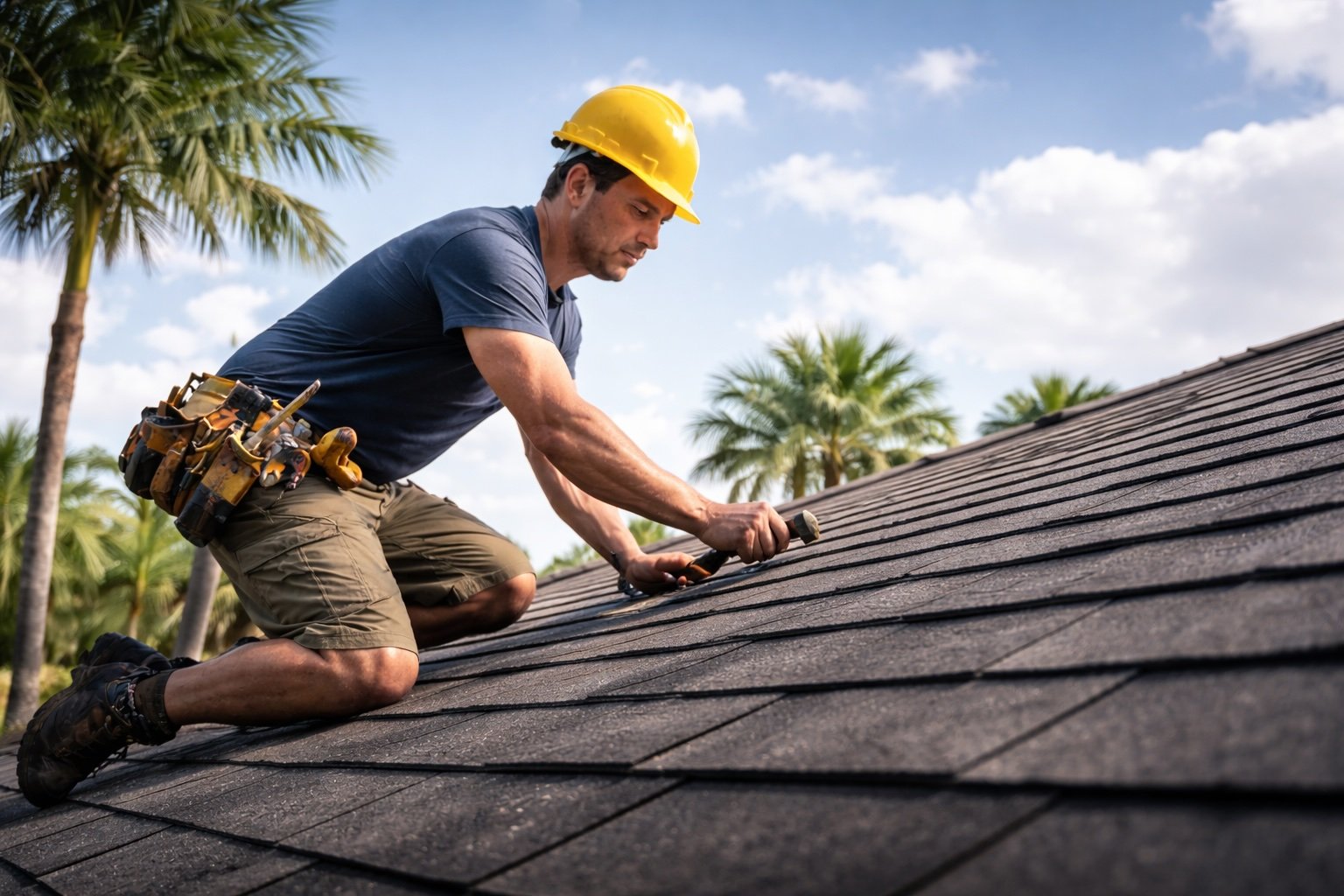
A thorough inspection is the most reliable way to assess hurricane readiness. Schedule a professional roof inspection between March and May so there is time for necessary repairs before June 1.
A thorough inspection should cover shingle or tile fastening, underlayment, flashing, decking condition, roof-to-wall connections, secondary water barriers, and code compliance. Professional inspections can assess compliance with current Florida Building Code standards, which is important for ensuring that older roofs meet the necessary wind resistance requirements. Scheduling a professional inspection before hurricane season allows homeowners to document their roof’s condition, which can be crucial for insurance claims if damage occurs during a storm.
Upgrading for Better Hurricane Performance
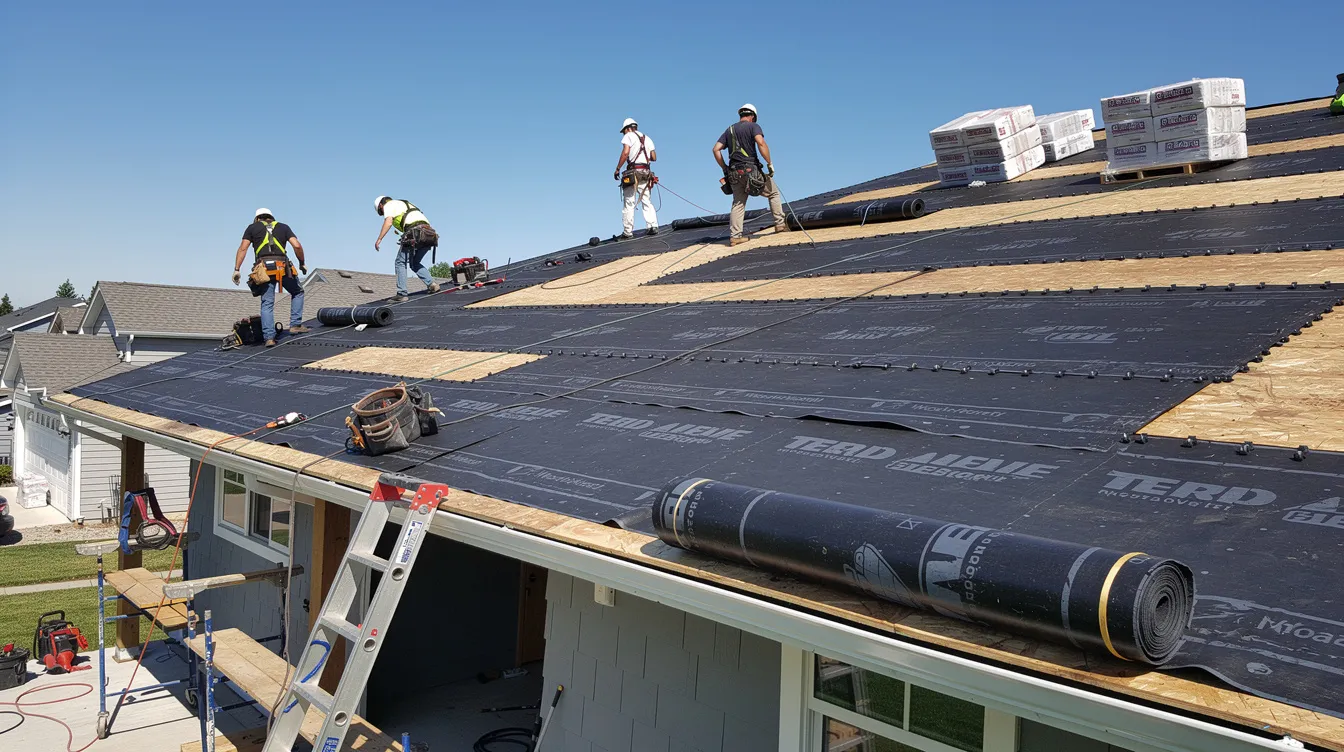
Targeted upgrades can reduce water intrusion, wind pressure damage, and costly repairs. If you are planning roof replacement, choose materials and fastening systems rated for local Florida wind requirements.
Consider upgraded underlayment, peel-and-stick membranes in valleys, stronger nailing patterns, rated vents, and roof-to-wall connectors. A secondary water barrier is a critical reinforcement feature that can help prevent water infiltration during hurricane conditions, as outlined in Florida building code resources. The FORTIFIED Home™ standards by the Insurance Institute for Business & Home Safety provide guidelines for upgrading roofs for better resilience against storms. Pair roof work with impact windows, reinforced doors, stronger garage doors, and anchored patio covers for a complete hurricane prep plan.
Insurance, Documentation, and Florida Building Code Considerations
Roof prep is also insurance documentation. Understanding windstorm deductible and coverage limits is crucial for homeowners in hurricane-prone areas. A Florida hurricane deductible may apply to covered windstorm damage during a hurricane as defined by Florida law. Review your policy with your agent.
Review your insurance policy every spring with your insurance company or insurance carrier. Homeowners should review their insurance coverage before hurricane season to ensure that their dwelling coverage reflects the current cost of replacing their roof, as material prices can fluctuate significantly. Keep permits, inspection reports, repair invoices, and photos in digital and printed form. Documenting your roof’s condition with date-stamped photos before hurricane season can provide valuable evidence for insurance claims in case of storm damage. After upgrades, request a wind mitigation inspection.
Hurricane Prep Timeline for Tampa Bay Roofs
- February–March: trim trees, complete a ground-level roof inspection, gather important documents, and book a professional roof inspection.
- March–April: finish roof repairs, clear gutters, repair downspouts, address flashing or underlayment issues, and ask whether roof-to-wall connections can be inspected during a permitted reroof where accessible and code-applicable.
- April–May: review insurance coverage, check your hurricane deductible, buy plastic sheeting, extra batteries, portable chargers, and test carbon monoxide detectors.
- Before a storm: secure outdoor items, bring in outdoor furniture, protect windows and doors, avoid candles, and never run a generator inside.
- During and after the storm: stay informed, watch for loose power lines, call the power company if needed, and inspect safely after rain stops.
- June–November: after each major storm, scan for loose shingles, gutter damage, leaks, and debris impacts. Prompt repairs reduce the risk of significant damage.
FAQ: Hurricane Roof Prep in Tampa Bay
When should I schedule a professional roof inspection before hurricane season?
Late winter through late spring is ideal. In Tampa Bay, February through May gives homeowners time to complete repairs or roof replacement before hurricane season approaches and before peak activity arrives.
Does my older Tampa Bay roof automatically need replacement to meet Florida Building Code?
No. Age alone does not decide whether replacement is required. However, homes built or re-roofed before the statewide Florida Building Code took effect in 2002, or before later wind-mitigation reroofing requirements, may benefit from a professional inspection to evaluate current roof condition, fastening, underlayment, and storm-readiness. A professional inspection can determine whether repair or full roof replacement is safer.
Will adding hurricane straps and a stronger roof help lower my insurance premiums?
Potentially, yes. Florida homeowners may be eligible for wind mitigation discounts when qualifying features are verified through a formal wind mitigation inspection, but savings depend on the insurer, policy, documentation, and inspection results.
How do I know if I should file a claim or pay for small roof repairs myself?
Document the damage with photos and videos, get a written roof assessment, and contact your insurance agent or carrier promptly to understand your deductible, coverage, reporting deadlines, and next steps. Avoid making coverage decisions based only on a repair estimate, because hidden damage or annual hurricane deductible rules may affect the claim.
What quick roof checks should I do right after a tropical storm or hurricane passes?
When conditions are safe, walk the property and look for missing shingles, damaged gutters, ceiling leaks, attic stains, broken branches, and impact marks. If you see damage, call a licensed contractor quickly before small leaks become costly repairs.
Planning ahead is the crucial step. With proactive steps, a stronger roof, and a clear plan, Tampa Bay homeowners can protect their homes before hurricanes test every weak point.