After a hurricane, securing your home is the top priority. Unfortunately, this urgent situation makes Florida homeowners prime targets for roofing scams. Unscrupulous roofers appear, looking to take advantage of the chaos. At Steadfast Roofing, we want to protect our neighbors from these deceptive practices. This guide will help you spot the warning signs and choose a trustworthy contractor to restore your peace of mind and protect your property.
Why Roofing Scams Rise After Florida Hurricanes
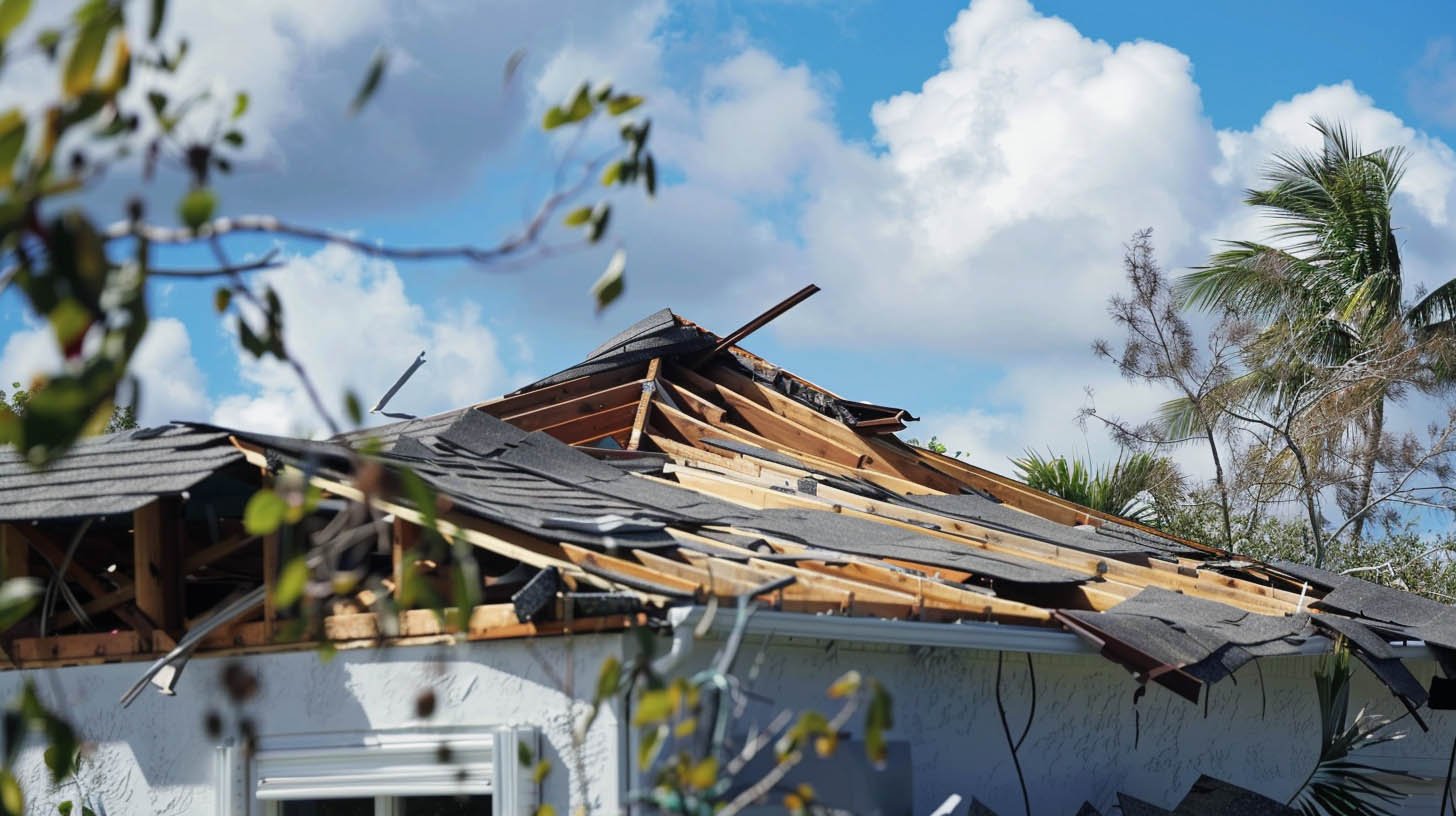
After hurricanes, the demand for rapid roof repairs skyrockets, creating ripe conditions for unscrupulous individuals to exploit vulnerable Florida homeowners. Scammers often capitalize on the urgency and chaos following severe weather events, employing tactics such as misleading promises of free inspections and quick fixes. Additionally, the influx of unlicensed contractors who lack proper credentials compounds the problem, leading to insurance fraud through false damage claims and subpar repairs. Awareness of these common scams is crucial for safeguarding one’s home and financial stability.
How Hurricanes Create Opportunities for Scammers
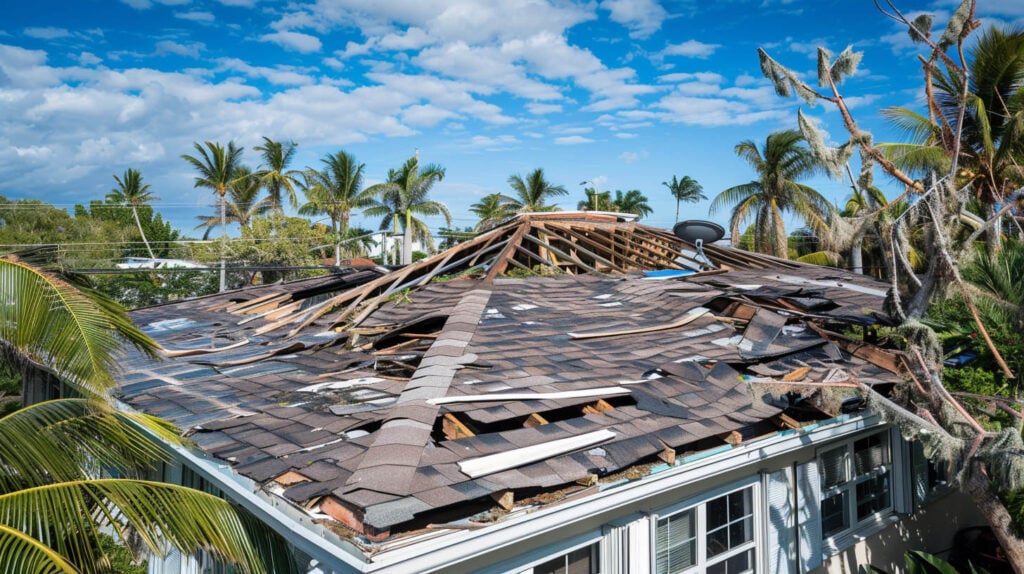
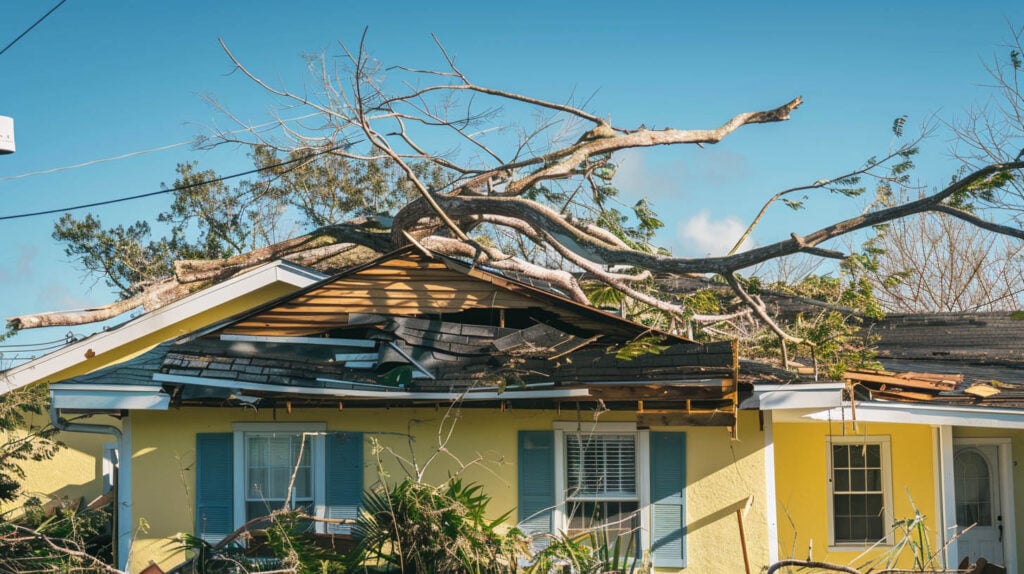
Severe weather events like hurricanes create a fertile ground for unscrupulous individuals to exploit vulnerable homeowners. After a significant storm, the urgent need for repairs leads many to act quickly, often bypassing due diligence. Scammers capitalize on this urgency by offering free inspections and quick fixes that may not address the extent of the damage. Additionally, unlicensed contractors frequently emerge, cloaking themselves in false promises and enticing low-cost solutions, ultimately contributing to the cycle of roofing scams targeting Florida homeowners.
High Demand and Vulnerable Homeowners in Tampa, FL
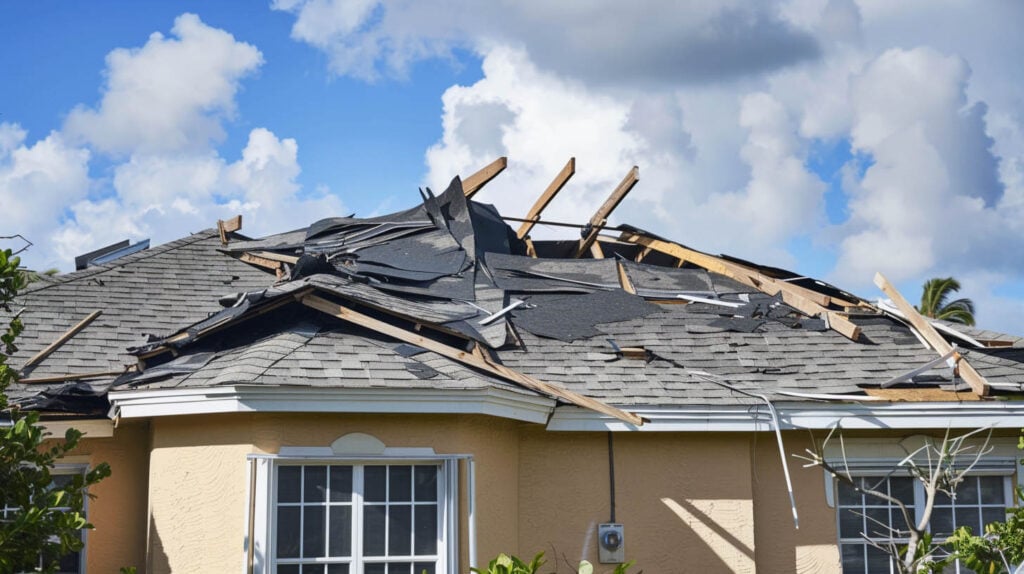
Unprecedented demand for roofing services arises in the aftermath of hurricanes, leaving many homeowners in Tampa, FL, vulnerable to scams. Unscrupulous individuals exploit this urgency, preying on those seeking quick fixes for visible damage. The stress of navigating the insurance claims process intensifies the risks, with homeowners sometimes overlooking critical factors, such as a contractor’s licensing and credentials. This environment creates the perfect storm for scammers to operate, promising subpar repairs or inflated invoices that can lead to substantial financial loss.
The Most Common Roofing Scams
When you need roof repairs, it’s crucial to recognize the common roofing scams prevalent in Florida. Many of these schemes are orchestrated by storm chasers who appear right after a major weather event. Knowing what to look for can protect you from costly mistakes and shoddy workmanship.
A major red flag is any roofer who uses high-pressure tactics or makes promises that sound too good to be true. From false damage claims to insurance fraud, these scams can have devastating consequences. Let’s look at some specific tactics you need to watch out for.
Storm Chaser Tactics and False Damage Claims
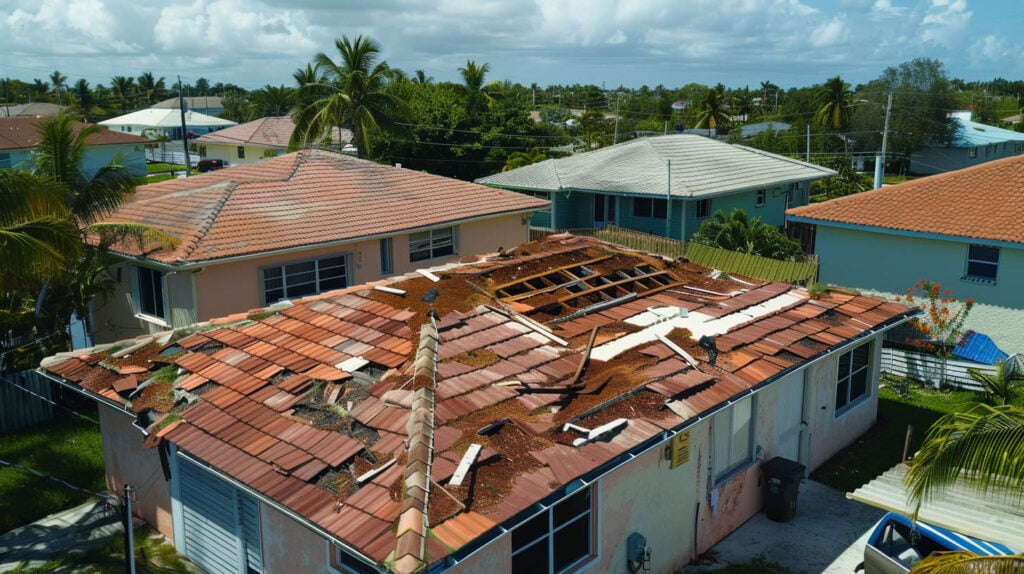
After a hurricane, many unscrupulous individuals posing as storm chasers capitalize on the urgency felt by Florida homeowners. These scam artists often offer free inspections, only to exaggerate or fabricate damage claims to justify unnecessary repairs or roof replacements. Homeowners may be led to believe that extensive and costly repairs are required, pressuring them into signing written contracts without fully understanding the scope of work. Awareness of these deceptive tactics is crucial to protect against potential roofing scams and ensure peace of mind.
Assignment of Benefits Abuse and Fake Insurance Claims
Exploiting the Assignment of Benefits (AOB) process has emerged as a prevalent tactic among unscrupulous individuals in Florida, especially after major storms. Scammers often mislead homeowners into signing AOB agreements that grant contractors control over insurance claims, leading to potential insurance fraud. These fraudulent practices can result in inflated invoices and unauthorized services, ultimately burdening homeowners with unexpected costs. Awareness of these tactics is crucial for Florida homeowners to protect themselves from becoming victims of deceptive roofing scams following severe weather events.
Warning Signs Homeowners Should Never Ignore
After a storm, it is easy to miss a red flag when you are focused on getting your home repaired. However, certain warning signs of roofing scams should never be ignored. Being aware of these indicators can help Florida homeowners avoid falling victim to false promises and financial loss.
High-pressure tactics and unrealistic offers are two of the biggest signs of a scam. A legitimate contractor will give you the time and information you need to make a confident decision. Let’s examine some of these warning signs more closely so you know exactly what to avoid.
High-Pressure Sales and Fake Certifications
High-pressure sales tactics often accompany roofing scams, creating a sense of urgency that pressures homeowners into hasty decisions. Scammers entice with unrealistic promises, suggesting immediate, cost-free roof replacements or exaggerated insurance claim possibilities. To further deceive, they may present fake certifications or credentials, claiming affiliations with reputable organizations. Florida homeowners must remain vigilant, scrutinizing offers for written contracts that detail the scope of work. Verification through the Florida Department of Business and other official platforms can help ensure legitimacy.
Large Down Payments and Vague Contracts
Unlicensed contractors often lure homeowners with the promise of quick, cash-based solutions. They frequently insist on large down payments before even initiating the roofing project, exploiting the urgency felt after severe weather events. Vague contracts further compound the issue, lacking essential details regarding the scope of work and timelines. This opacity can lead to misunderstandings later on and may serve as a red flag for insurance fraud. Homeowners are encouraged to request detailed contracts and avoid any upfront payments that seem suspicious.
How Scammers Trick Florida Residents
Scammers and scam artists have several methods for tricking Florida homeowners in the wake of hurricane damage. They know people are in a vulnerable state and use that to their advantage with carefully crafted approaches. These tactics are designed to build false trust and pressure you into making a quick decision.
From unsolicited phone calls to door-to-door visits, their methods can be surprisingly effective if you are not prepared. Understanding these common approaches is essential to identifying a scam before you become a victim. We will now look at how they initiate contact and mislead you.
Scam Phone Calls and Door-to-Door Solicitation
Following a hurricane, homeowners often receive an overwhelming number of unsolicited calls and visits from scammers posing as roofing contractors. These scam artists exploit the urgency surrounding roof repairs, making false promises of swift assistance in exchange for upfront payments. Door-to-door solicitation is particularly concerning, as unscrupulous individuals may pressure homeowners into signing contracts without proper verification of their credentials or licensing. Utilizing reputable online review platforms and consulting with local agencies like the Florida Department of Business and Professional Regulation can help identify legitimate contractors.
Impersonation of Reputable Companies
Misleading advertising tactics often lure Florida homeowners into the traps of scam artists. These unscrupulous individuals may create websites or flyers that mimic the branding of established roofing companies, giving the false impression of legitimacy. Highlighting promotions like “free roof inspections” or “upfront savings,” they exploit urgency following major storms. To protect against such scams, it’s essential to verify the company’s credentials through platforms like the Better Business Bureau and ensure that any contractor possesses the necessary licensing and insurance to perform roofing work.
Steps to Verify a Roofing Company’s Legitimacy in Tampa, FL
Taking the time to verify a roofing contractor’s legitimacy is the most important step you can take to protect yourself. In Tampa, FL, a few simple checks can help you distinguish a reputable contractor from a scammer. Do not just take a roofer’s word for it; do your own research.
From checking licenses and certifications to reviewing their local reputation, these verification steps provide peace of mind. They ensure that the company you hire is qualified, insured, and trusted within the community. Let’s cover the specific actions you can take to confirm a company’s credentials.
Checking Certifications and Partners
Always verify a contractor’s license and insurance. In Florida, check a company’s license with the Department of Business and Professional Regulation (DBPR). Legitimate contractors will provide their license number for verification. Ask for proof of insurance to protect yourself from liability during your roofing project. Manufacturer certifications also indicate a roofer’s expertise. Our team is proud to hold multiple prestigious certifications, including BBB Accreditation, Owens Corning Platinum Preferred Contractor. These accolades demonstrate our commitment to quality, professionalism, and ethical practices. Ask us about our certifications—we value transparency and the trust we’ve earned.
Reviewing Awards, Recent Projects, and Local Reputation
A company’s local reputation reflects its quality and reliability. Before hiring a roofer, check online reviews on platforms like Google. Occasional negative feedback is normal, but repeated complaints are a warning sign. Choose companies with consistently positive reviews.
Awards also indicate a strong reputation. For example, we at Steadfast Roofing are proud to be a “Best of Florida Winner – 2023,” showing our commitment to excellence and customer satisfaction. Ask contractors for a portfolio or references from local clients. Reliable roofers will readily provide examples, allowing you to assess their work and speak with past customers.
Contact Us
In conclusion, Tampa homeowners should watch for roofing scams, especially after hurricanes. Be alert to tactics like high-pressure sales and vague contracts to avoid fraud. Always verify a company’s certifications and reputation. At Steadfast Roofing, we’re BBB Accredited and award-winning, committed to quality and integrity. Contact us for a reliable consultation.
Frequently Asked Questions
What is the 25 rule for roofing in Florida?
The “25 percent rule” in the Florida Building Code states that if more than 25% of a roof section is damaged, the entire section must be replaced to meet current building standards. This rule often impacts insurance claims for roof replacement after a storm.
What are the red flags for roofing contractors?
Key red flags for a roofing contractor include high-pressure sales tactics, demands for large upfront payments, and an unwillingness to provide a detailed written contract. Be wary of scam artists who lack proper licensing and insurance or make promises that sound too good to be true.
Read our blog: How Roof Decking Issues Can Compromise Your Entire Roofing System