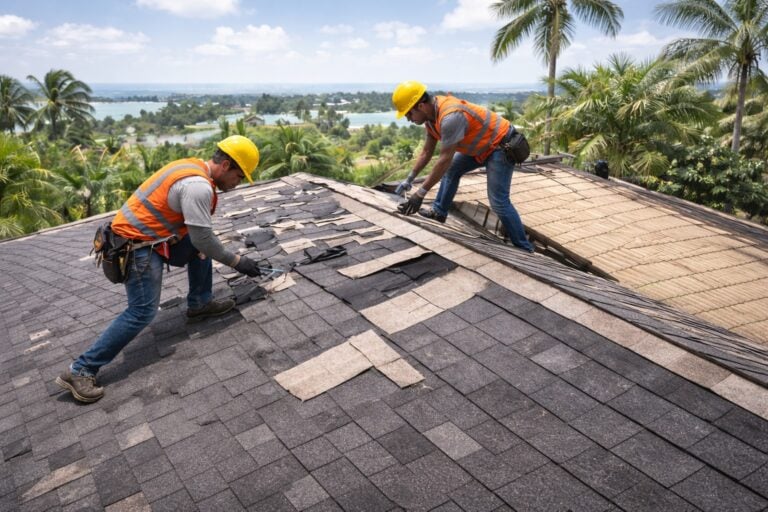
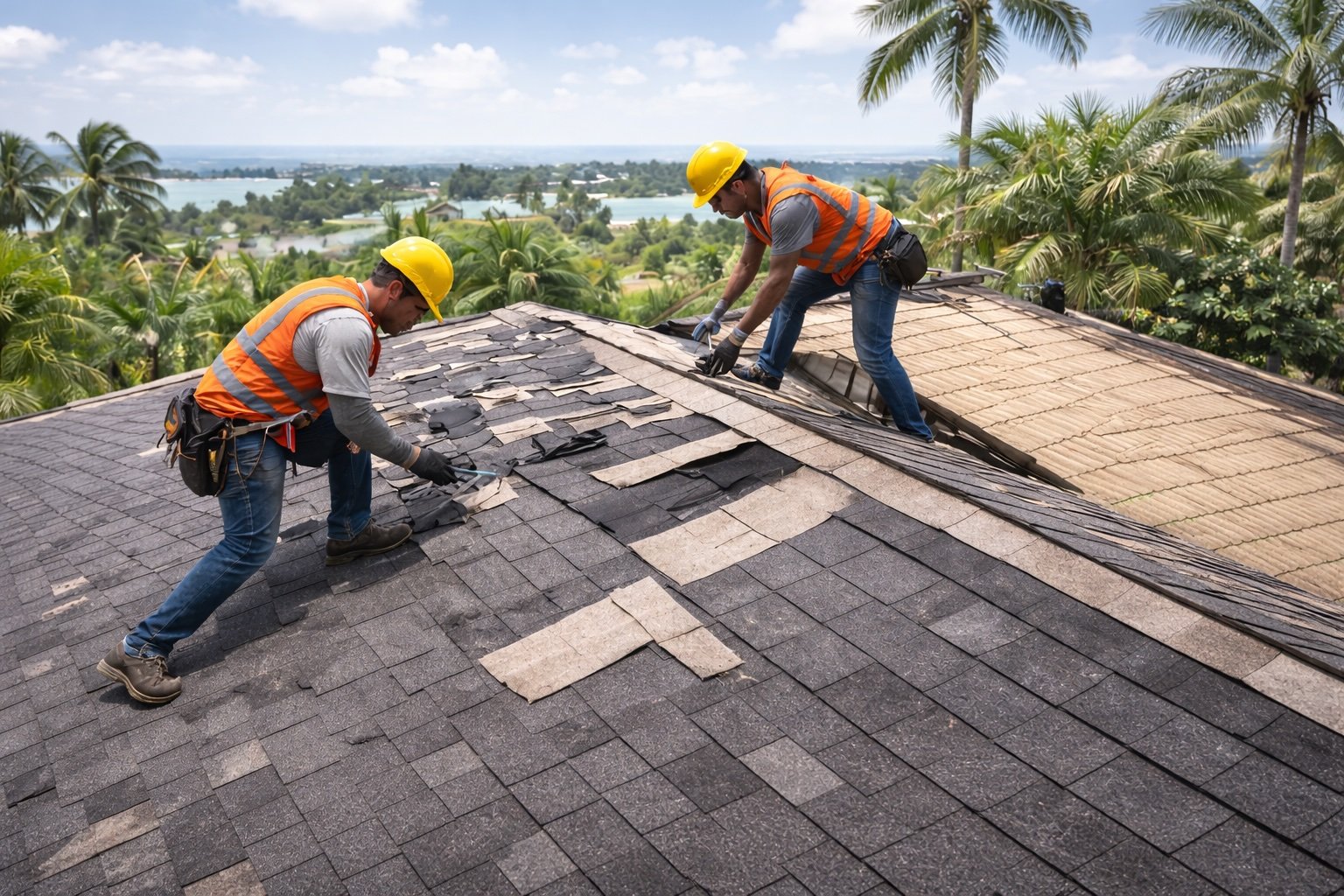
If you’re in Tampa Bay and you’re trying to figure out whether your roofing spend is a “repair” or a “capital improvement,” start with the paperwork and the scope, not the sales pitch. Steadfast Roofing typically sees homeowners asking this right after a permit is pulled, a claim is denied, or tax season begins. The answer usually comes down to what the work changed about the property, and how the IRS expects you to treat that change.
What “Capital Improvement” Means for Roof Work
A roof job is generally treated as a capital improvement when it improves the property instead of simply keeping it in ordinary working condition. The IRS framework used for property improvements is commonly summarized as betterment, restoration, or adaptation. If what you paid for falls into one of those buckets, it is usually capitalized rather than deducted as a current-year repair expense.
The Quick Roof Test: Repair vs Improvement
Use these real-world roofing lines in the sand:
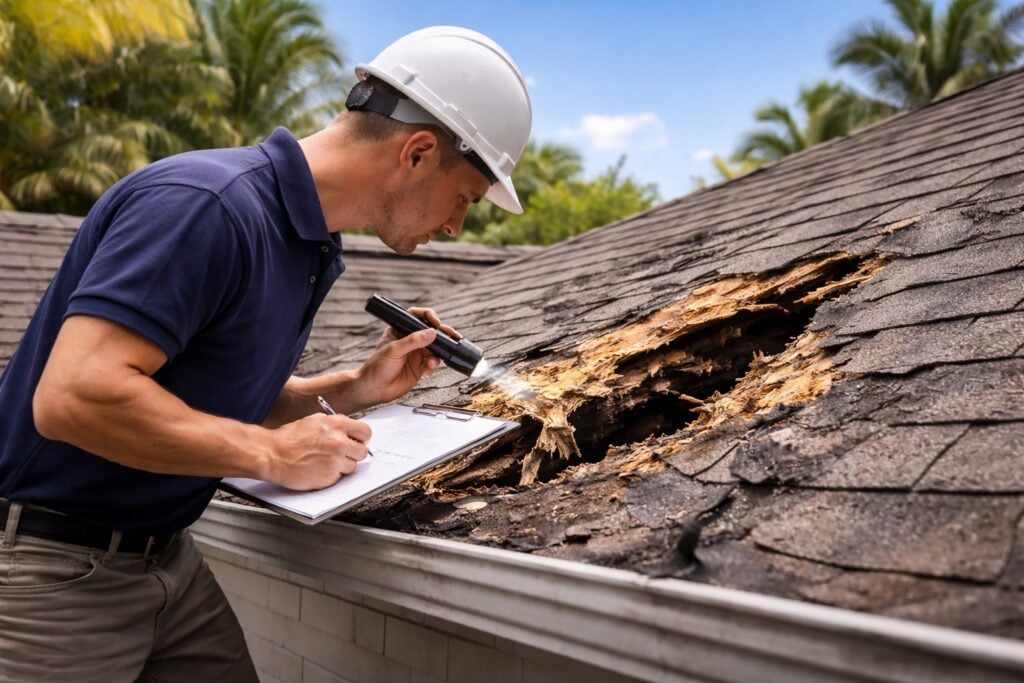
- Usually a repair: replacing a small section of shingles after a leak, swapping a few tiles, re-sealing a flashing detail, or minor fascia/soffit fixes that do not change the roof system’s overall life or value.
- Usually a capital improvement: a full roof replacement, replacing a major component of the roof system, or work that materially extends useful life, increases value, or restores the roof after significant deterioration.
The IRS rules focus on whether you replaced a major component or a substantial structural part of a building system, such as the roof.
The IRS “Betterment, Restoration, Adaptation” Standard Applied to Roofs
Here’s how the improvement standards map to roofing decisions:
- Betterment: you fix a pre-existing defect (especially one that existed when the property was acquired), materially strengthen the roof system, or materially increase quality (example: upgrading the roof assembly in a way that meaningfully improves performance).
- Restoration: you replace a major component or substantial structural part of the roof system, rebuild the roof after it has deteriorated, or return the property to working order after significant damage. A full roof replacement is the classic “restoration” pattern.
- Adaptation: you change the property’s use (less common for residential roofs, but it can occur with conversions or major structural reconfigurations).
Tampa Bay Reality Check: What Common Local Roof Scenarios Typically Look Like
Tampa Bay roofs face a tougher environment: heat, humidity, wind events, salt air in coastal pockets, and code-driven upgrades when permits are required. Those factors don’t magically change IRS rules, but they do change the type of work people end up doing.
- Post-storm work: If you replace the entire roof system (or a major component) after widespread damage, that’s commonly treated as an improvement/restoration. Smaller isolated fixes are more often repairs.
- Permit-driven upgrades: If your project includes code-required changes that are part of a larger replacement (decking beyond spot repairs, a redesigned ventilation layout, or significant structural work), the overall project often appears more like an improvement than routine maintenance.
- “We only replaced a lot of it.” Jobs: The IRS concept to watch is “major component/substantial structural part,” not a random percentage someone swears is a rule. If the scope effectively replaces the roof system’s core function, it leads to improvement.
Homeowners: Why Capital Improvements Matter (Even If You Can’t Deduct Them Today)
For a personal residence, roof replacement costs are typically not deductible. The big value is the basis. Capital improvements can increase your home’s adjusted basis, which can matter when you sell (especially if your gain is above the home-sale exclusion thresholds or if the property had mixed use). IRS guidance on basis and improvements is covered in the home-sale publication, and “replacing the roof” is commonly treated as an improvement that increases basis when it meets the improvement standard.
Rental Properties: Repairs Can Be Current Deductions, Improvements Are Depreciated
For Tampa Bay landlords, classification is where the money is:
- Repairs and maintenance are generally deducted in the year paid (if they are ordinary and necessary and don’t constitute an improvement).
- Capital improvements are added to the property’s basis and recovered over time through depreciation (the roof is part of the building system improvement concept under the tangible property rules).
If you’re reporting rental activity, the IRS rental property guidance is the right place to sanity-check treatment and documentation expectations.
Business-Owned Property: The Same Rules, Bigger Consequences
If the building is owned by an entity or used in a trade or business (Schedule C/E/F, partnership, S-corp, etc.), the tangible property regulations still apply. The main difference is that businesses often have more options and elections in how they account for property costs, but the improvement test still starts with: did you better, restore, or adapt a building system, such as the roof?

The Documentation That Actually Holds Up When You’re Asked
Whether it’s a CPA, a lender, an insurer, or the IRS asking questions later, the same evidence wins:
- Signed contract and scope of work (spell out replacement vs spot repair)
- Permit(s) and inspection approvals (if applicable)
- Invoices that separate repair line-items from improvement line-items
- Photos before/during/after (especially if deterioration or major component replacement is visible)
- Payment proof (checks, card statements, financing docs)
Clean paperwork helps your tax pro classify costs without guessing, which is where people get burned.
Common Roof Items That Confuse People (And How They Usually Shake Out)
- Underlayment, flashing, drip edge, and ventilation changes: If they’re part of a full replacement or major system restoration, they usually follow the treatment of the larger project as improvement components.
- Decking replacement: Spot replacement for localized rot can appear like a repair; widespread decking replacement tied to a full roof system rebuild looks like restoration.
- Leak-only work: Small, targeted fixes are the classic repair pattern unless the scope effectively replaces a major component.
FAQs Tampa Bay Homeowners Ask About Capital Improvements and Roofs
Is a full roof replacement usually a capital improvement?
Often, yes, because replacing the roof system typically involves restoring a major component of the building system.
What about replacing “most” of the roof but not all of it?
The IRS’s focus is on whether the work replaced a major component or a substantial structural part of the roof system. Scope and function matter more than a catchy percentage rule.
Can roof work help with tax deductions if it’s my primary residence?
Usually not as a current deduction, but qualifying improvements can increase basis, which can matter at sale time depending on your total gain and your situation.
If it’s a rental, can I deduct it this year?
Repairs are often currently deductible; improvements are generally capitalized and recovered through depreciation.
Conclusion
The cleanest way to classify roof work is to align the scope with the IRS improvement framework: repairs keep the roof operating normally, while capital improvements better restore or adapt the property, especially when the project replaces a major component of the roof system. Keep your scope, permits, invoices, and photos organized so the treatment is based on facts, not vibes, and run the final call through your tax professional for your exact property use and reporting setup.
Read our blog: “Florida Public Adjusters and Roofing Claims in Tampa Bay: The Real Risks, The Rules, and How to Protect Your Home”.