Tampa homeowners comparing Metal Roof vs. Shingle Roof options usually want the same thing: a roof that withstands Florida weather without becoming a costly maintenance burden. Steadfast Roofing helps Tampa, FL homeowners weigh wind performance, heat, salt air, insurance realities, and long-term value so the best roof is the one that fits the house and the budget.
Tampa Roof Reality: Heat, Humidity, Downpours, Salt Air, and Hurricane Winds
Tampa roofs are exposed to intense UV, daily humidity, heavy rain, and hurricane-season uplift that targets weak edges first. Florida code updates also emphasize stronger roof assemblies for better wind and water resistance, especially for replacements and re-roofs, which is critical in a storm-prone market like Tampa (Florida Building Code fact sheet on roof assembly changes: FloridaBuilding.org).
What “Better” Means in Tampa: The 6 Decision Factors That Actually Matter
Most Tampa homeowners are trying to optimize one (or two) of these:
- Lowest total cost over time (not just the initial quote)
- Stronger wind performance (uplift resistance and edge security)
- Better heat performance (cooler attic and lower A/C demand)
- Longer service life (with realistic maintenance expectations)
- Cleaner insurance posture (material, age, documentation, condition)
- Right look for the neighborhood (HOA rules and curb appeal)
Metal Roofing in Tampa: Longevity, Storm Capability, and “Cool Roof” Potential
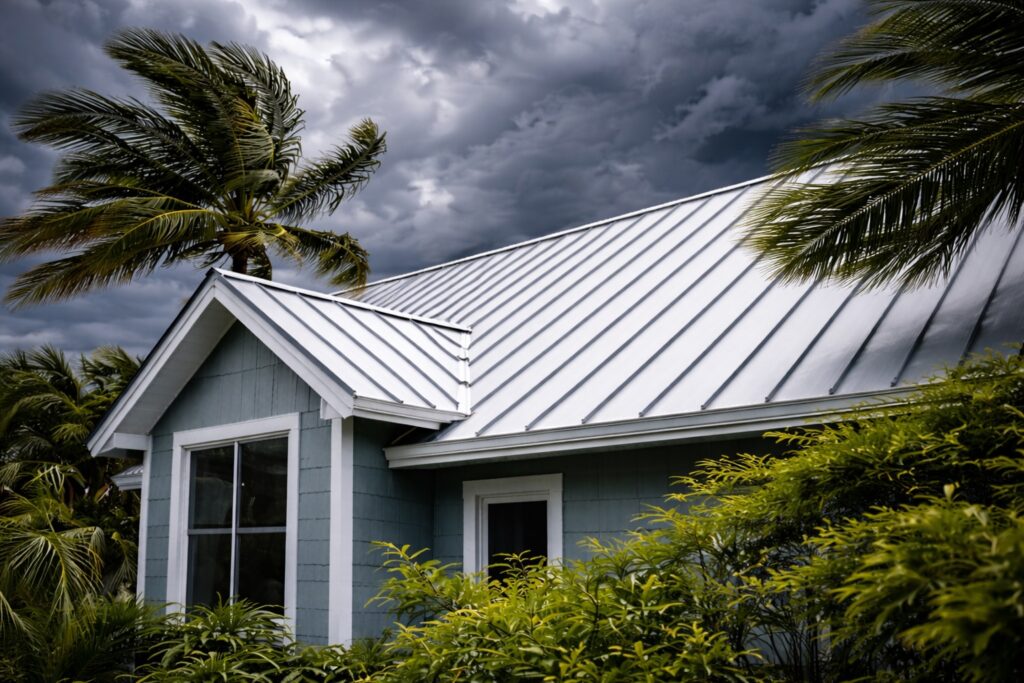
Metal is popular in Florida because, when designed and installed correctly, it can deliver long service life and strong weather durability. Consumer guidance commonly cites metal roofs lasting decades longer than typical asphalt shingles, with ranges like 40–80 years depending on material and conditions (metal roof lifespan ranges: State Farm).
For heat performance, “cool roof” behavior comes down to solar reflectance, and ENERGY STAR’s roofing specification focuses on initial and aged reflectance testing and qualification criteria (ENERGY STAR Roof Products specification: ENERGYSTAR.gov PDF).
Metal Roof Tradeoffs in Florida: Upfront Cost and Installation Details That Can Make or Break It
Metal’s biggest downside is usually the upfront investment and the fact that details matter more than people think. The roof doesn’t fail in the “big obvious” areas; it fails at transitions: roof-to-wall, valleys, penetrations, edge metals, and terminations.
Also, Tampa Bay exposure can introduce a quiet corrosion layer into the discussion. Correct metal selection, compatible flashings, and appropriate fasteners are critical because corrosion often occurs at cut edges, fasteners, and mixed-metal contact points over time.
Shingle Roofing in Tampa: Strong Value, Huge Style Range, Easier Repairs
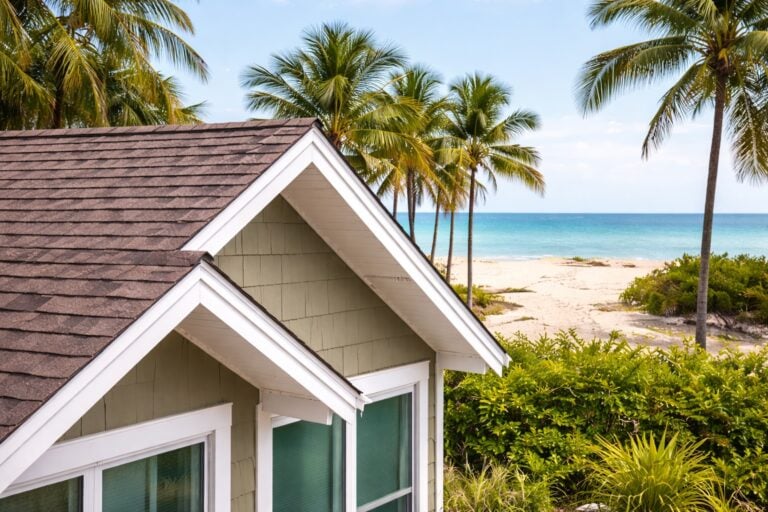
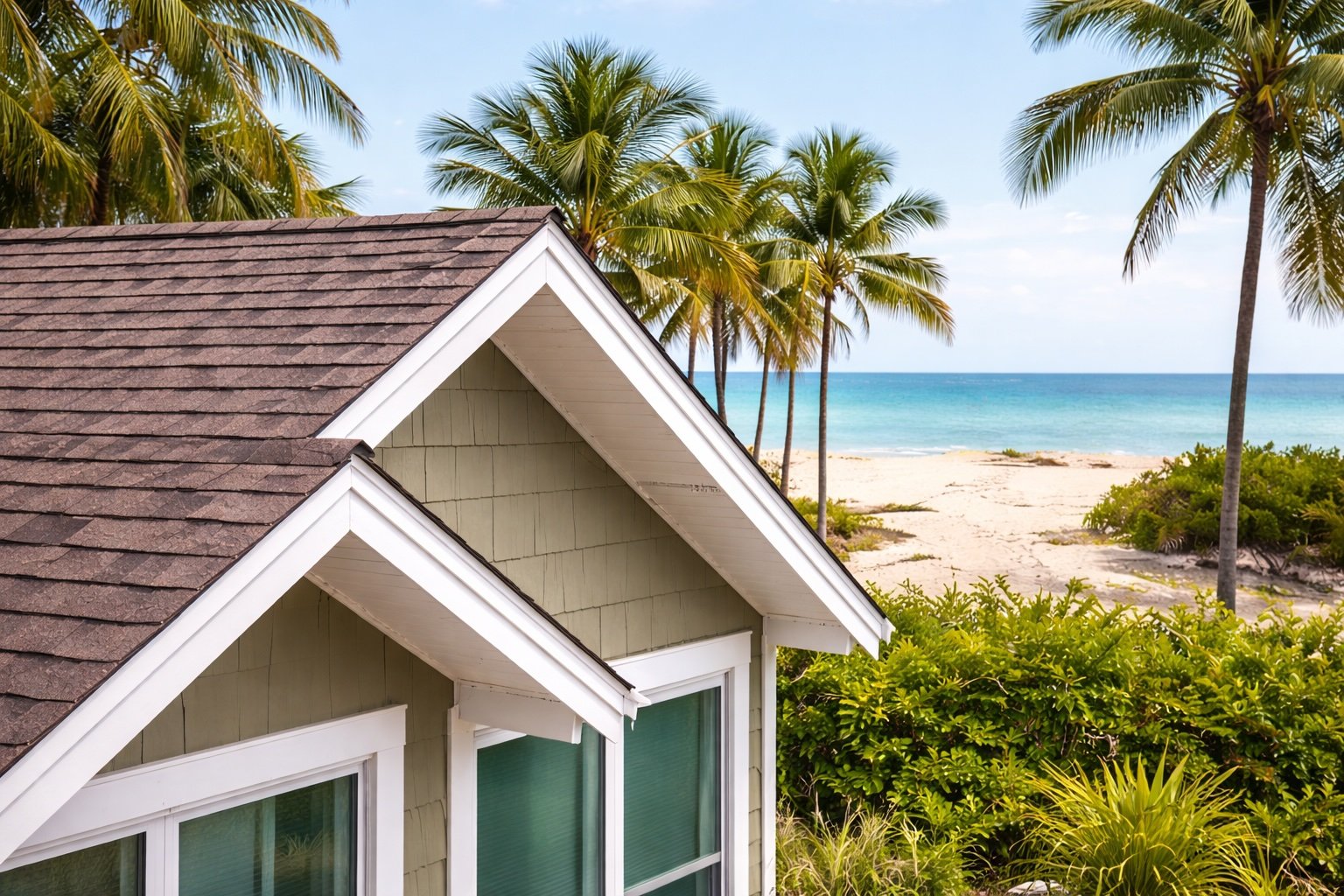
Architectural asphalt shingles remain the dominant choice for many Tampa homes because they offer the best upfront value and fit almost any style. Shingles are also easier to repair in localized areas after a branch strike or minor storm damage, which is a real benefit in a wind-and-debris region.
Shingle Roof Tradeoffs in Florida: Shorter Lifespan and Edge Vulnerability in High Winds
In Florida’s heat and UV exposure, shingles generally won’t match the service life of metal. Roofing education materials used for Florida code training also emphasize uplift considerations and fastening patterns as part of roof performance, which is exactly where shingle systems are exposed when corners are cut (Florida Building Commission training material on uplift-related nailing considerations: FloridaBuilding.org PDF).
In the real world, weak points are usually edges, ridges, and turbulent wind zones, not the wide-open middle of the roof.
Wind Performance in Tampa: Uplift Starts at the Edges, Not the Middle
Hurricane winds don’t politely push down on the roof like a hand on a table. They create suction and turbulence. The edge system, starter details, and fastening strategy prevent the roof from “unzipping” during high-wind events. Florida’s roofing requirements and guidance on roof assemblies aim to reduce wind- and water-intrusion failures by strengthening the system’s overall performance (Roof Assembly Requirement Changes Overview: FloridaBuilding.org PDF).
Tampa Heat and Energy: Reflectivity Helps, but Attic Performance Still Does the Heavy Lifting
A reflective roof can reduce roof surface temperature and help with cooling demand, especially during Tampa’s long warm season. ENERGY STAR’s program and testing approach is built around measuring and maintaining solar reflectance values over time, which is why “cool roof” claims should tie back to tested reflectance performance, not vibes (ENERGY STAR Roof Products spec details: ENERGYSTAR.gov PDF).
That said, attic ventilation balance and insulation levels can significantly affect comfort. A great roof over a poorly performing attic will still feel like Florida.
Tampa Humidity and Roof Staining: Algae Resistance Is Not a “Nice to Have”
Florida humidity is basically a gym membership for algae. If a home has shade, tree cover, or stays damp longer after rain, algae streaking becomes more likely. Many modern shingles include algae-resistance technology and warranties designed to prevent staining (examples of algae protection warranties and systems include: GAF StainGuard).
If the goal is to preserve curb appeal from streaking damage, algae resistance is a practical upgrade in Tampa, not a “marketing checkbox.”
Maintenance and Repair Reality: What It Takes to Keep Each System Solid
Metal roofs typically benefit from:
- Periodic inspection of flashings and penetrations
- Monitoring fasteners and sealants where exposed (if applicable)
- Watching for coating wear in harsher exposure areas
Shingle roofs typically benefit from:
- Post-storm inspections for lifted, creased, or missing shingles
- Regular checks of pipe boots, wall flashings, and ridge vent areas
- Choosing algae-resistant options when staining risk is high (algae protection examples: GAF StainGuard)
Both roof types last longer when minor issues are addressed before they escalate into interior damage.
Curb Appeal and HOA Factors in Tampa Neighborhoods
Shingles wins the “easy fit” contest. They match most Tampa neighborhoods, HOA rules, and architectural styles without drama. Metal has more style options than it used to, but some HOAs still limit panel profiles, colors, or overall appearance. If HOA friction is likely, shingles can be the simpler path.
Quick Decision Guide for Tampa Homes
- Choose metal when long ownership, reduced replacement cycles, and durability are top priorities (common lifespan ranges cited for metal: State Farm).
- Choose shingles when upfront budget, neighborhood consistency, and easier spot repairs matter most, and when you select wind-rated, algae-resistant products (e.g., GAF StainGuard).
- Either roof can be a winner if the roof system is built to Florida performance expectations, especially around edges, transitions, and water management (roof assembly guidance: FloridaBuilding.org PDF).
CONCLUSION
In Tampa, a metal roof typically offers a longer service life and strong wind resistance, while an architectural shingle roof usually delivers the best upfront value and broad style flexibility. The right choice depends on ownership timeline, exposure (wind and salt air), maintenance tolerance, attic performance goals, and whether the homeowner wants to invest more now to reduce replacement cycles later.
Read our blog: “Roofing Trends Tampa Homeowners Should Know for 2026”.