When it comes to roofing components that fly under the radar, the drip edge might be the most overlooked. Homeowners rarely notice it, insurance adjusters don’t always flag it, and yet when it’s missing, it creates a ripple effect of water damage, fascia rot, pest entry, and even voided warranties. At Steadfast Roofing, we’ve seen firsthand how this small metal flashing plays a major role in preserving roof integrity across Tampa, FL homes. Let’s break down exactly why it matters—and what to do if your roof is missing drip edge.
What Is a Drip Edge and Why Does It Matter?
A drip edge is a metal flashing that gets installed at the edges of your roof, right where the shingles stop and your gutters begin. It serves three crucial purposes:
- Redirects water away from the fascia board and roof deck
- Prevents capillary action, where water creeps backward under shingles
- Creates a clean transition from roof to gutter, extending shingle life
Without it, water has a clear path to the vulnerable edges of your roofing system—and that’s where the trouble begins.
Signs Your Roof Is Missing a Drip Edge
Many older homes in Florida, especially those roofed before 2007, were built without a drip edge because it wasn’t always required by code. Here’s how to tell if yours is missing it:
- No visible metal flashing under shingles at the roof edges
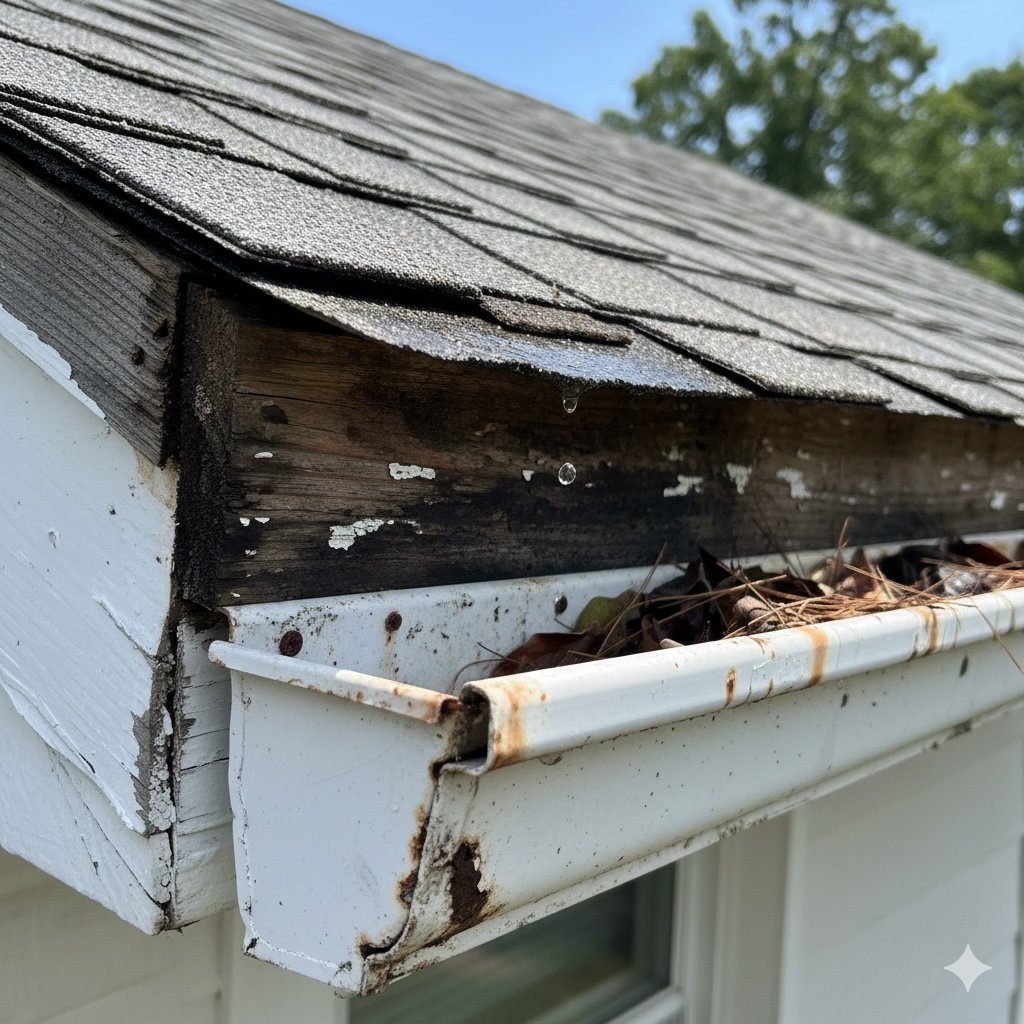
- Water stains or mold on soffits and fascia boards
- Peeling paint or wood rot at the roofline
- Pest activity in the eaves or attic
- Loose or sagging shingles near the edge of the roof
A quick inspection by a qualified roofer can confirm whether you have drip edge installed—or if corners were cut during your last roof job.
The Consequences of Missing Drip Edge
Roofs without drip edge flashing are vulnerable to a domino effect of problems. Over time, these lead to costly repairs and potential interior damage.
1. Fascia Board Rot
Without drip edge, rainwater runs directly behind the gutters and soaks into the wooden fascia. The board begins to rot, compromise gutter attachments, and provide a breeding ground for insects.
2. Roof Deck Deterioration
When water sneaks under the shingles at the edge, it can seep into the roof decking. This leads to soft spots, mold, and eventual structural damage that requires tear-off and replacement.
3. Shingle Blow-Off
Drip edge helps secure the first course of shingles. Without it, wind uplift is more likely to tear shingles loose—especially in Tampa’s storm-prone environment.
4. Pest Intrusion
That little gap between the decking and fascia is prime real estate for rodents, bats, lizards, and wasps. Drip edge seals it off and acts as a barrier to these uninvited guests.
5. Voided Warranties
Many roofing material warranties (including those from major shingle manufacturers) require drip edge to be installed. If it’s missing, you may be out of luck if a defect causes failure.
Florida Building Code Requirements
Florida’s building code has required drip edge on shingle roofs since 2007, and the most recent updates continue to enforce its use. In High Velocity Hurricane Zones (HVHZ), proper drip edge installation is especially critical due to wind uplift requirements.
What Code Requires:
- Minimum 26-gauge galvanized or corrosion-resistant metal
- 2-inch minimum horizontal flange
- Installed over the underlayment at the eaves
- Installed under underlayment at rakes
If your contractor skipped this step—or if your roof predates the code—there’s a good chance your home isn’t protected the way it should be.
Retrofitting Drip Edge on an Existing Roof
Adding drip edge after a roof is already installed isn’t as simple as tucking in a strip of metal. It depends on the condition of the shingles and whether the roof deck allows access.
Options Include:
- Lift and Install Method Carefully lift the bottom shingles to slide the drip edge underneath, then re-seal. Risky on brittle or older shingles.
- Partial Roof Edge Replacement Remove the first few rows of shingles along the edge, install the proper drip edge, and replace with new shingles.
- Full Roof Replacement In cases of widespread rot, shingle brittleness, or nearing the end of roof life, replacing the entire roof with proper drip edge installation may be the most cost-effective route.
The Right Way to Install Drip Edge
Proper installation is non-negotiable. Here’s how professional roofers do it right:
- Install at Eaves First Drip edge at the eaves goes under the underlayment to prevent water from backing up underneath.
- Then Install at Rakes Drip edge at the gable/rake edges goes on top of the underlayment to secure the edges against wind uplift.
- Overlap Joints by 2 Inches Each piece should overlap the previous one by at least 2 inches to create a watertight seal.
- Nail Appropriately Nails should be corrosion-resistant, spaced every 8 to 10 inches.
- Seal Ends and Corners All transitions should be sealed with roofing cement or flashing tape to ensure water tightness.
Drip Edge vs Gutter Apron: Are They the Same?
Not exactly. Both are types of edge flashing, but their design and purpose differ slightly:
- Drip Edge: Primarily used under shingles to direct water into gutters.
- Gutter Apron: Longer flange, designed to tuck directly into the back of a gutter.
In some installs, roofers may choose one over the other depending on gutter positioning—but neither should ever be skipped.
How to Protect Your Roof Moving Forward
If your roof doesn’t have drip edge, or if you suspect it was installed improperly, the next step is a professional inspection. Time is not your friend when water is already sneaking under shingles. And for Florida homes—especially those exposed to wind, rain, and salt air—this small strip of metal can make the difference between a 10-year roof and a 25-year one.
Conclusion
A missing drip edge isn’t just a cosmetic oversight…it’s a direct line to long-term damage. Water intrusion, wood rot, shingle failure, pest access, and voided warranties are just the start. Whether you’re planning a re-roof or just discovered yours is missing it, addressing the issue now can save thousands later.
Don’t wait for damage to show up on your ceilings. Get it inspected. Get it done right because the edge of your roof is where protection begins.