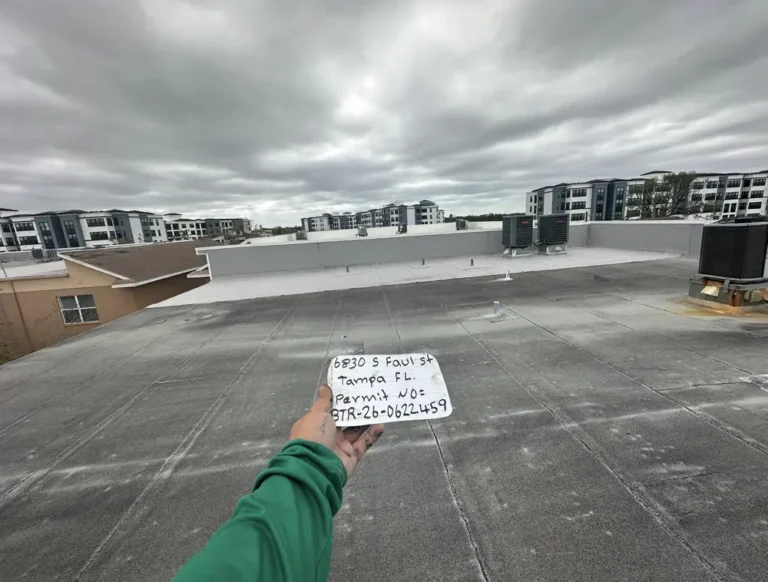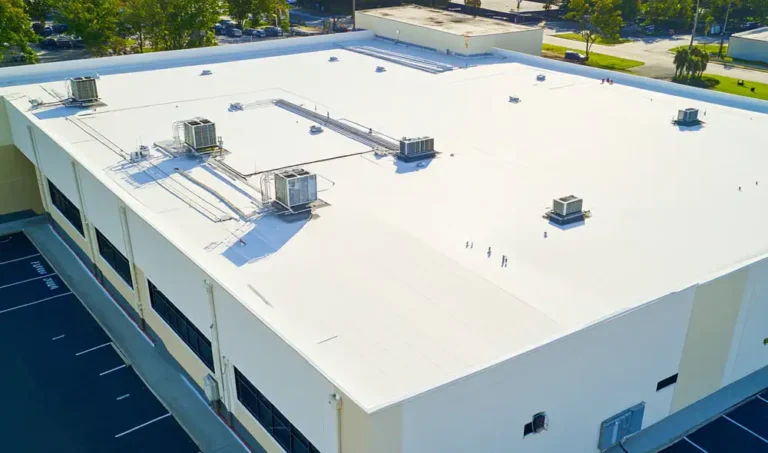
Home hardening in Tampa isn’t theory, it’s survival. Steadfast Roofing helps Tampa homeowners turn the My Safe Florida Home inspection report into real, code-compliant upgrades that reduce wind risk, cut leaks, and can unlock insurance credits without wasting a dime on “nice-to-haves.”
What the My Safe Florida Home Program Covers for Tampa Homeowners
The My Safe Florida Home (MSFH) program is built around two things: a free wind-mitigation inspection and grant funding for specific storm-resilience improvements. The state advertises grants up to $10,000 for eligible upgrades after an initial inspection and approval.
Tampa Eligibility Checklist: Know If You’re Likely to Qualify Before You Burn Time
Eligibility can change by funding cycle and prioritization group, but these are the big repeat offenders that knock people out:
- Initial inspection completed through the program
- Homestead exemption
- Insured value threshold (commonly shown as $700,000 or less)
- Original permit timing (often before January 1, 2008)
- You must use a properly licensed Florida contractor and provide license info for the mitigation project
If you’re not sure where you land, start at the official program hub and run the eligibility flow. The fastest path is usually: create an account, schedule the inspection, then let the report dictate the project list.
How the Money Works: Matching Grants, Caps, and the “Gotcha” Nobody Mentions
MSFH is commonly described as a matching grant structure where the homeowner pays part, and the state contributes up to the cap. Some cycles also include special rules for low-income households, as well as prioritization windows that determine when you can even apply. Treat the program like a budget partner, not a blank check.
The biggest “gotcha” is paperwork and sequencing. If you do the work out of order or can’t document it the way the program requires, you can end up with a stronger roof and a weaker bank account.
Certified Contractor Lists Changed: What That Means When Hiring in Tampa
Older guides talk about an “approved contractor list.” That changed. The program has stated it no longer maintains or provides a list of authorized program contractors and that homeowners are responsible for selecting and managing an eligible, properly licensed contractor.
So in Tampa, the real filter is simple:
- Verify the contractor’s license through the Florida DBPR
- Confirm the scope matches the license type
- Make sure permits are pulled properly and closed out
- Make sure you’ll get the documentation needed for final inspection and reimbursement
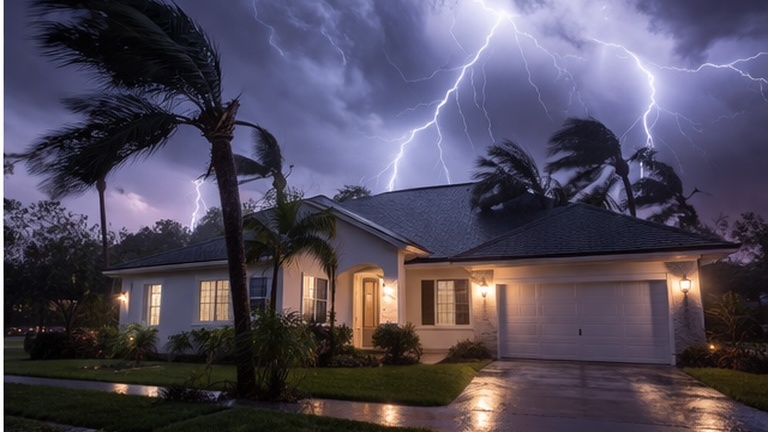
The 7 Upgrade Categories That Keep Showing Up (And Why They Matter on Tampa Homes)
The MSFH inspection report typically identifies improvements to reduce roof loss, water intrusion, and opening failures. These categories are commonly presented as:
- Roof deck attachment improvements
- Secondary water barrier
- Roof covering survivability upgrades
- Gable-end wall bracing
- Roof-to-wall connection reinforcement (clips/straps)
- Enhanced window protection
- Enhanced door protection (including garage door strengthening)
If you want the short version: Tampa wind events love finding the weak link. The program is basically paying you to stop being the weak link.
Tampa Roof Upgrades That Usually Deliver the Biggest Real-World Payoff
Not every “recommended” item hits the same. In the Tampa area, the best bang-for-buck improvements tend to fall into three buckets:
1) Keep the roof from lifting off the house
- Roof-to-wall connectors (clips/straps)
- Stronger roof deck attachment
2) Keep water out when the roof covering takes a beating
- Secondary water barrier (huge for leak prevention when shingles get compromised)
3) Keep the building envelope from blowing open
- Impact protection for windows, doors, and especially garage doors (the big sail)
Those upgrades don’t just help in hurricanes. They also reduce the “one bad gust + one weak seam = surprise living room waterfall” problem.
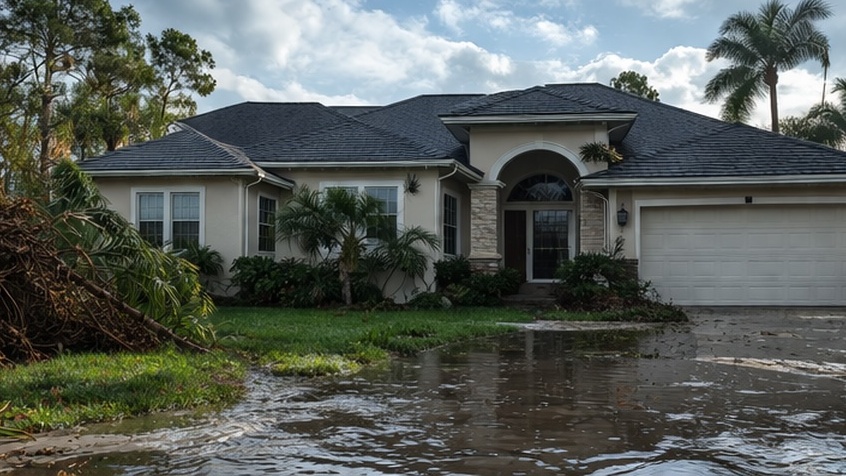
Step-by-Step: The Cleanest Way to Go From Inspection to Final Approval
Step 1: Get the free inspection and report
Start with the official MSFH inspection process. Your report becomes the roadmap.
Step 2: Prioritize by structure, not cosmetics
Pick upgrades that improve load paths and water resistance first.
Step 3: Get the contractor scope and pricing tied directly to the report
Line-item pricing should map to the report language to keep documentation clean.
Step 4: Pull permits, do the work, keep every receipt and photo
If it isn’t documented, it might as well not exist.
Step 5: Schedule the final inspection
Final inspection availability and timing can bottleneck the whole process, so don’t wait until the last minute.
Insurance Angle: Wind Mitigation Credits, Premium Relief, and Why Documentation Matters
Many homeowners pursue MSFH for two reasons: fewer roof repairs and lower insurance bills. Completing wind-resistance improvements can also support wind mitigation credits, but insurers tend to care about forms, proof, and permitting more than your contractor’s vibes.
If you’re doing this to improve insurability, treat documentation like part of the build: photos, permits, product specs, invoices, and final inspection results all matter.
Common Tampa Mistakes That Blow Up Grants (And How to Avoid Them)
- Doing work before the program says you’re approved
- Hiring someone without verifying Florida licensure
- Skipping permits or leaving permits open
- Choosing upgrades that aren’t in the eligible categories
- Missing the final inspection window or lacking required paperwork
What a “Good” Contractor Experience Looks Like for MSFH Projects in Tampa
A contractor who understands MSFH work should make the project feel boring (in a good way):
- Scope matches the inspection report
- The permit plan is clear
- Materials and methods meet Florida code expectations
- Photos and documentation are captured along the way
- The closeout package is organized for final inspection and reimbursement
If the plan is fuzzy, the paperwork will be worse. And the grant process is not a fan of “we’ll figure it out later.”
CONCLUSION
Tampa homeowners don’t need more storm hype; they need a clean plan: get the MSFH inspection, follow the report, pick high-impact upgrades, hire a properly licensed contractor, document everything, and finish strong with a final inspection. Done right, the result is a tougher roof system, fewer leaks, and a home that’s simply harder to damage when the weather gets loud.
Read our blog: “Best Roofing Materials for Curb Appeal in Tampa, FL.”