
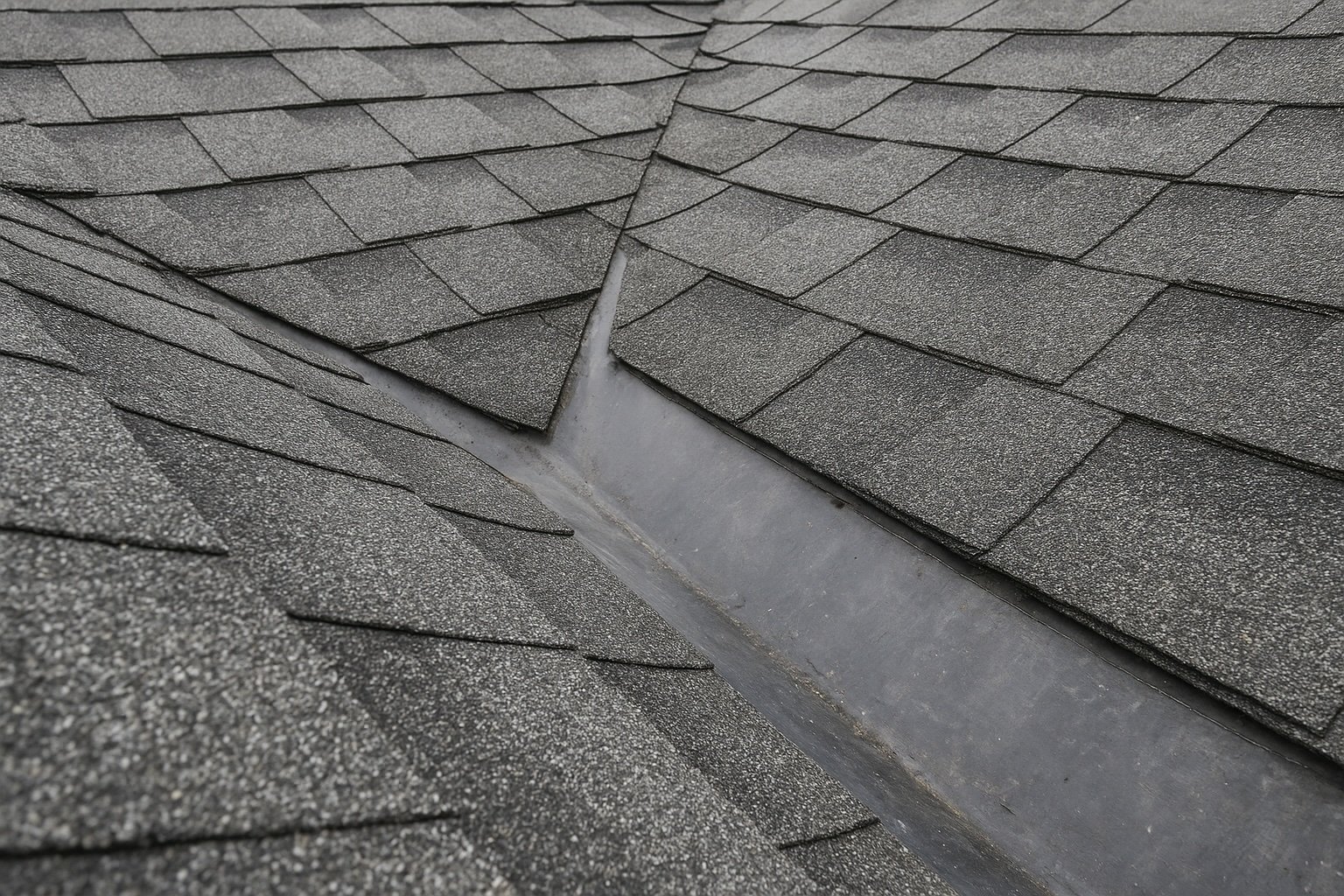
Roof valleys are one of the hardest-working areas of any roofing system, and in Florida’s heavy rain, they are often the first place leaks begin. At Steadfast Roofing, we help homeowners identify roof valley damage early, repair weak points correctly, and prevent small drainage problems from turning into interior water damage, rotted decking, mold, or premature roof replacement.
A roof valley is the V-shaped channel where two roof slopes meet. Its job is simple: collect rainwater from two roof planes and move it safely toward the gutters. The challenge is volume. Florida receives substantial annual rainfall, and the state’s rainy season is concentrated from June through October, when afternoon storms can push large amounts of water through the same narrow roof channels. The University of Florida IFAS Extension notes that Florida typically receives 40 to 60 inches of annual rainfall, depending on location, with rainfall concentrated during the wet season through frequent thunderstorms.
When a valley is installed correctly, water moves quickly and cleanly off the roof. When it is damaged, clogged, poorly flashed, or built into a low-slope “dead valley,” water slows down, backs up, and finds the smallest opening beneath shingles, tile, metal panels, flashing, or underlayment.
What Makes Roof Valleys So Vulnerable?
Roof valleys carry more water than most other parts of the roof. A single field of shingles may shed rain in one direction, but a valley receives runoff from two slopes at the same time. That extra water volume increases wear on shingles, sealants, nails, flashing, and underlayment.
Valleys are vulnerable because they combine several risk factors in one place:
- Concentrated water flow during heavy rain
- Leaves, pine needles, branches, and shingle granules collecting in the channel
- Complex flashing transitions
- Nail placement errors near high-water areas
- Aging sealants and exposed fasteners
- Wind-driven rain during storms
- Low-slope areas where water does not drain fast enough
The Insurance Institute for Business & Home Safety explains that valley flashing is used where two sloping roof planes intersect to help prevent water infiltration at that vulnerable V-shaped transition. That detail matters because valley leaks are rarely caused by just one visible shingle. They usually involve a system failure: shingles, flashing, underlayment, decking, slope, and drainage all working against each other.
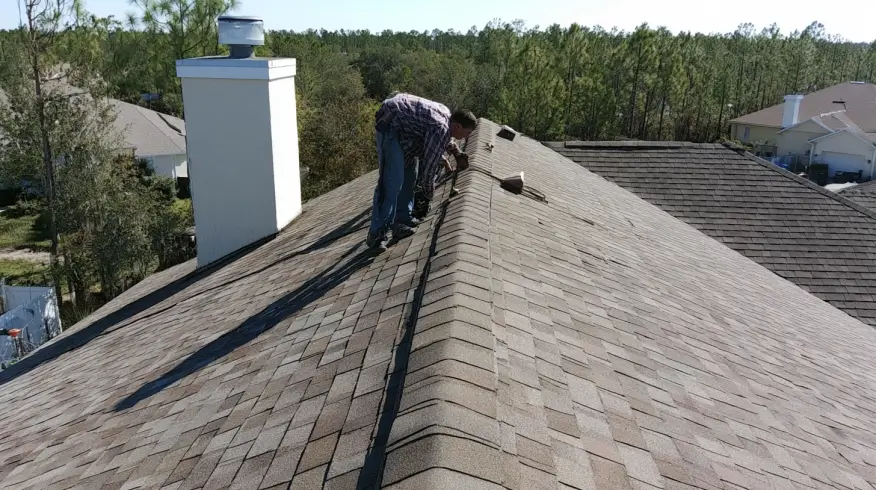
Common Causes of Roof Valley Damage in Florida
Heavy Rain and Fast Water Flow
Florida storms can drop intense rainfall in a short window. When that water rushes into a valley, any weakness becomes more serious. Worn shingles, loose flashing, exposed nails, cracked sealant, or debris buildup can redirect water beneath the roof covering instead of away from the home.
Dead Valleys and Poor Roof Design
A dead valley is a low-slope or poorly draining area where two roof sections meet but water does not have a clean path off the roof. These areas are common near dormers, additions, chimneys, wall intersections, and complicated rooflines. Instead of moving quickly to the gutter, water may pond, swirl, or push sideways beneath shingles or tile.
Dead valleys are especially risky in Florida because slow drainage plus repeated heavy rain can saturate underlayment, rot decking, stain fascia, and create hidden attic moisture. A proper repair may require more than replacing shingles; it may involve rebuilding the drainage path with improved underlayment, metal flashing, cricket construction, or modified roof transitions.
Failed or Improper Flashing
Flashing protects the joints where roofing materials meet valleys, walls, chimneys, vents, or other transitions. In a valley, flashing must be correctly sized, secured, overlapped, and integrated with the roof covering. Problems happen when flashing is too narrow, cut incorrectly, nailed in the water path, poorly sealed, rusted, lifted by wind, or buried under debris.
Once flashing separates from the roof surface, rain can travel under shingles and follow gravity into the attic, insulation, ceilings, and walls.
Debris Buildup
Roof valleys naturally collect leaves, twigs, palm debris, pine needles, and granules from aging shingles. Debris slows water flow and holds moisture against the roof surface. Over time, that moisture can weaken shingles, corrode metal, encourage algae or moss growth, and push water sideways under the roof covering.
Aging Roofing Materials
As a roof ages, shingles lose granules, seal strips weaken, tiles crack, sealants dry out, and metal components corrode. Valley areas often show wear first because they endure concentrated water flow and more frequent debris abrasion. If the surrounding roof is already near the end of its service life, valley repairs may only be a temporary solution.
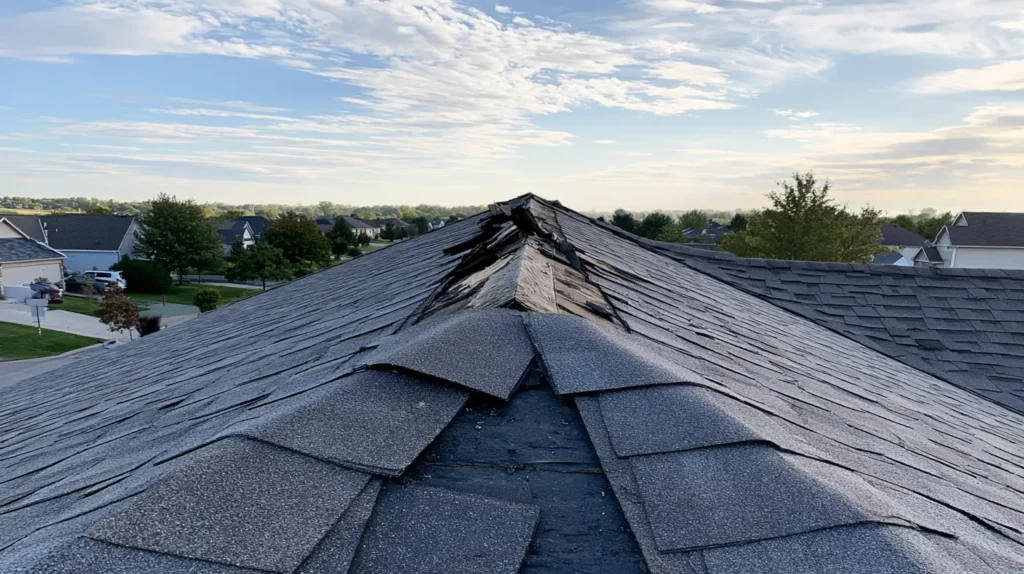
Warning Signs of Roof Valley Damage
Homeowners should watch for visible roof issues and interior symptoms. Roof valley damage may show up as:
- Missing, lifted, cracked, or curled shingles along the valley
- Rusted, bent, exposed, or separated flashing
- Granule piles in gutters below the valley
- Dark streaks following the valley line
- Moss, algae, or organic growth in the drainage path
- Soft or sagging roof decking near the valley
- Water stains on ceilings below the valley
- Damp attic insulation
- Moldy odors after storms
- Peeling paint near upper walls or ceiling corners
- Repeated leaks in the same room after heavy rain
A valley leak can be deceptive. Water may enter at the roof valley, travel along rafters or decking, and appear several feet away inside the home. That is why a professional roof repair diagnosis is important before replacing drywall, repainting ceilings, or assuming the leak is coming from a vent or pipe boot.
How We Inspect Roof Valley Damage
A proper valley inspection should never focus only on the surface. We evaluate how water is moving, where it may be slowing down, and whether the valley was installed to handle Florida rain.
Our inspection process typically includes:
- Checking the valley from the ground for sagging, debris, staining, or uneven lines.
- Inspecting shingles, tile, metal panels, or other roof coverings near the valley.
- Looking for exposed nails, cracked sealant, lifted edges, or incorrect cuts.
- Evaluating flashing condition, overlap, corrosion, and placement.
- Checking gutters and downspouts below the valley for overflow or granule buildup.
- Inspecting the attic for water stains, dark decking, mold, or damp insulation.
- Determining whether the area is a standard valley or a dead valley.
- Documenting repair options with photos and clear recommendations.
Homeowners in the Tampa Bay area can schedule a professional roof inspection before the rainy season, after major storms, or anytime ceiling stains appear.
Roof Valley Repair Options
The right repair depends on the cause of the problem. A small surface issue may not require the same solution as a failed dead valley or rotted decking.
Minor Valley Repair
Minor repairs may include replacing damaged shingles, resealing small gaps, securing lifted edges, clearing debris, correcting exposed nails, or patching a small flashing issue. This approach works when the valley structure, underlayment, and decking are still sound.
Flashing Replacement
When flashing is rusted, loose, too narrow, or poorly integrated, the valley may need to be opened and rebuilt. This often includes removing nearby shingles or tiles, installing new waterproof underlayment, fitting new metal valley flashing, and reinstalling the roof covering so water sheds properly.
Dead Valley Correction
Dead valley repairs require more planning. Depending on the roof design, we may recommend reinforced underlayment, custom metal flashing, drainage improvements, cricket installation, or rebuilding the transition so water no longer stalls in the low area.
Decking and Underlayment Repair
If moisture has reached the wood sheathing, damaged decking must be removed and replaced before the roof covering is restored. Covering rotten decking with new shingles does not solve the leak; it traps the problem underneath.
For broader roof system issues, homeowners may need targeted roof repair instead of a simple valley patch.

How Much Does Roof Valley Repair Cost?
Roof valley repair cost depends on roof type, valley length, access, material condition, flashing complexity, and whether decking is damaged. A small shingle or sealant correction may cost a few hundred dollars. A more involved valley flashing replacement can often run higher because surrounding materials must be removed and reinstalled. Dead valley reconstruction, rotted decking replacement, tile work, or extensive water damage can increase the cost significantly.
The biggest cost factor is timing. Repairing a valley before water reaches the attic is far less expensive than addressing roof damage, insulation replacement, drywall repair, mold remediation, and interior repainting after repeated leaks.
How to Prevent Roof Valley Problems
Preventive maintenance is the best way to extend valley performance. We recommend:
- Clearing roof valleys and gutters before rainy season
- Trimming trees that drop leaves or branches onto the roof
- Scheduling roof inspections after major wind or rain events
- Watching ceilings below valleys for stains or bubbling paint
- Avoiding DIY walking in valleys, especially on tile or steep roofs
- Replacing cracked sealant or loose flashing before storms
- Addressing dead valleys before they create recurring leaks
Steadfast Roofing, located in Ruskin, Florida, understands how Gulf Coast rain, heat, humidity, and storm conditions affect valleys differently than roofs in drier climates. A valley that looks acceptable in mild weather may fail quickly during a summer downpour.
When to Call a Roofing Professional
Call a roofing professional if you see ceiling stains, missing shingles near a valley, loose flashing, granules collecting below a valley, or recurring leaks after heavy rain. You should also schedule an inspection if your home has a dead valley, a complex roofline, or a previous repair that continues to leak.
Valley repairs require precision. Incorrect nail placement, poor flashing overlap, or the wrong sealant can make the leak worse. We recommend having Steadfast Roofing evaluate the full roof system so the repair addresses the source of the problem, not just the visible symptom.
Conclusion
Roof valley damage is one of the most common and costly causes of roof leaks in Florida homes. Because valleys carry concentrated rainwater, even a small defect in flashing, shingles, underlayment, decking, or drainage design can lead to serious water intrusion. Heavy rain, debris buildup, dead valleys, aging materials, and improper installation all increase the risk.
The best approach is early detection, professional inspection, and a repair that restores the full valley system—not just the surface layer. If you suspect valley damage or notice signs of a roof leak, schedule an inspection before the next storm exposes the weakness.
FAQ
1. What is the most common cause of roof valley leaks?
The most common cause is water getting beneath shingles or tile because of failed flashing, poor installation, debris buildup, or deteriorated underlayment. In Florida, heavy rain makes these weaknesses more serious because valleys carry large volumes of water in a short time. Dead valleys are also a frequent source of recurring leaks because they slow drainage and allow water to sit longer than the roof system was designed to handle.
2. Can roof valley damage be repaired, or does the whole roof need replacement?
Many roof valley problems can be repaired without replacing the entire roof, especially when the damage is limited to shingles, flashing, sealant, or a small section of underlayment. However, if the roof is old, has widespread granule loss, multiple leaks, rotted decking, or repeated valley failures, replacement may be more practical. A professional inspection can determine whether a targeted repair will last or whether the surrounding roof system is too worn.
3. How often should roof valleys be inspected in Florida?
Roof valleys should be inspected at least once a year and ideally before the rainy season. They should also be checked after tropical storms, hurricanes, strong wind events, or any heavy rain that causes gutter overflow or interior staining. Homes with trees, tile roofs, older shingles, complex rooflines, or known dead valleys may need more frequent inspections because debris and drainage issues can develop quickly.