Steadfast Roofing in Riverview, FL, helps homeowners move fast, document damage correctly, and stay in control from the first phone call to the final check. We keep the process clean, code-compliant, and insurance-ready so Tampa Bay families do not get bullied, lowballed, or stuck paying for someone else’s shortcuts.
What triggers a roof insurance claim in Tampa Bay
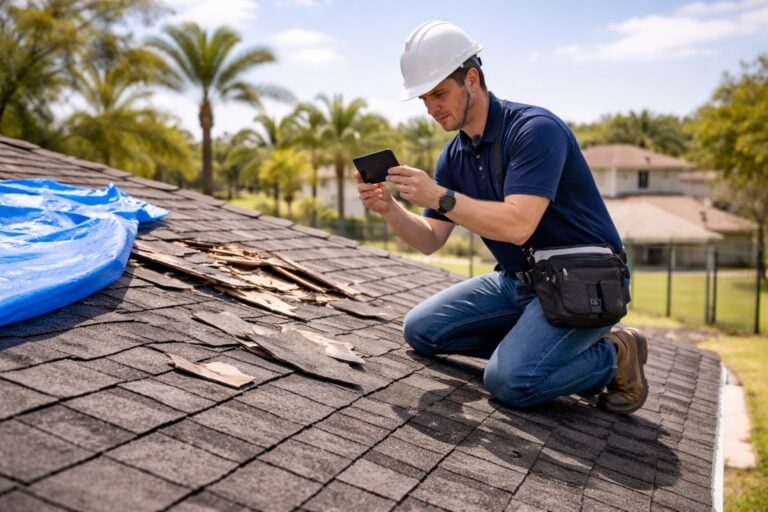
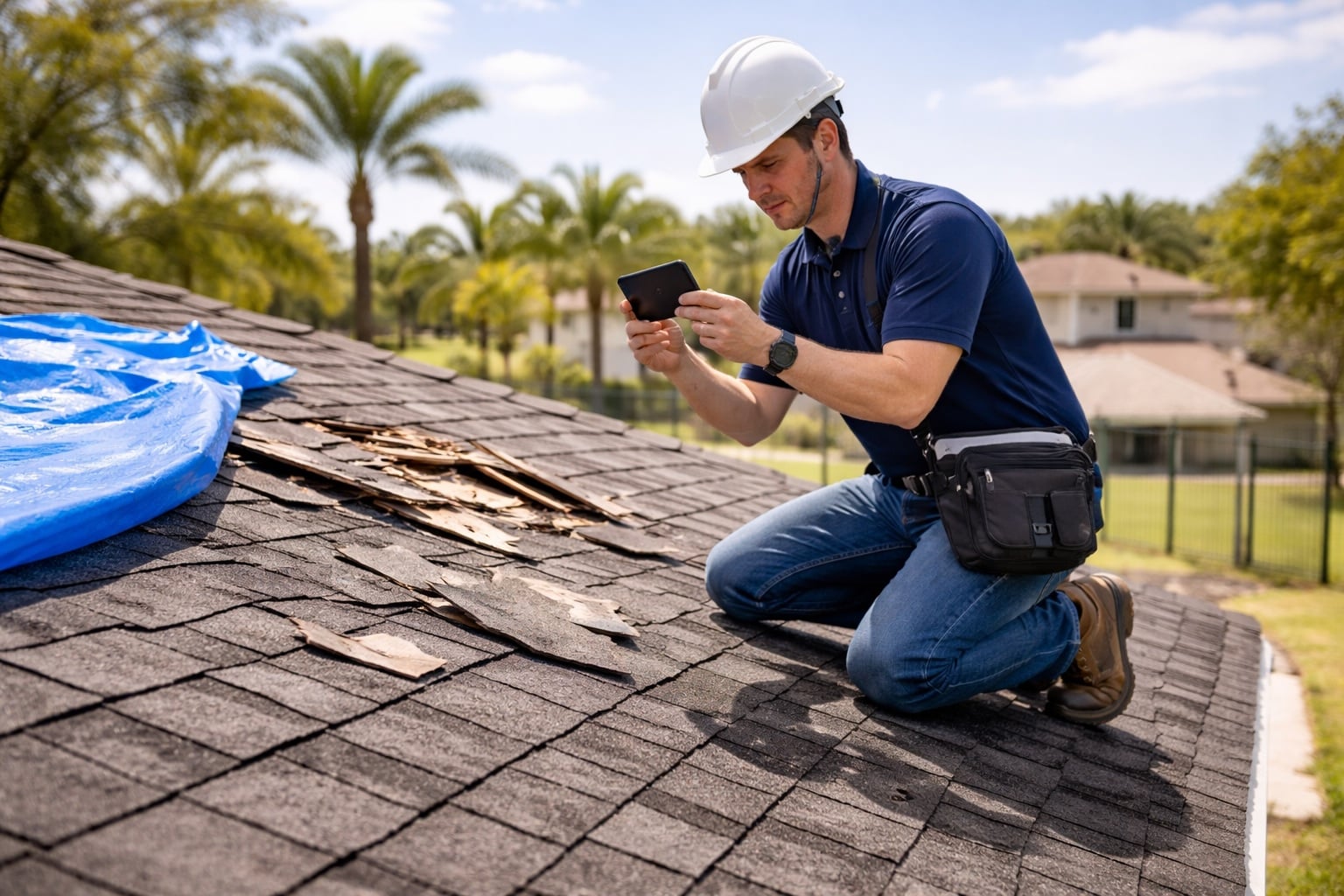
Tampa Bay roofs take a unique beating. We see claim-worthy damage most often after hurricanes, tropical storms, straight-line winds, tornado-spawned gusts, and heavy rain that exploits weak flashing. Hail is less frequent than in Central Florida, but it happens, and it only takes one bad cell to bruise shingles and dent soft metals like vents and drip edge.
Knowing the roof insurance claim process can save you time and money in the long run.
Common “this is probably a claim” scenarios:
- Wind-lifted or missing shingles exposing the mat
- Creased shingles (a classic wind signature)
- Broken or dislodged ridge caps
- Torn or missing underlayment at edges and valleys
- Tree impact (even if it “only” hits the eave)
- Active leaking at flashing, boots, skylights, or wall transitions after a storm
- Collapsed decking from long-duration water intrusion after an event
The first 24 hours: protect the house and protect the claim
Insurance is built around one simple idea: sudden damage, not slow neglect. Your goal on day one is to prevent “you made it worse” from entering the chat.
Do this immediately:
- Take wide photos of every slope from the ground, then close-ups of any visible damage
- Photograph interior leaks, wet drywall, stained ceilings, and bubbling paint
- Put a bucket under leaks, move valuables, and document what you moved
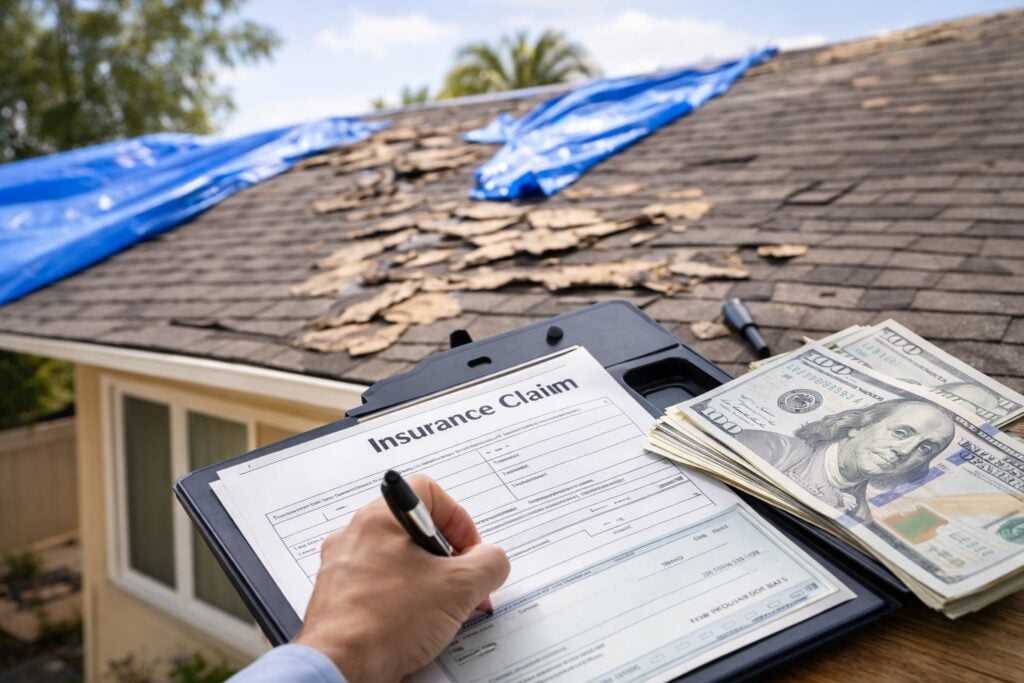
- If water is actively entering, use temporary mitigation (tarping) and keep receipts
Keep it boring and factual. Avoid guessing causes in writing. Just document what you see and when you saw it.
What to expect after you call your insurance company
Each step of the roof insurance claim process is essential to ensuring you receive the compensation you deserve.
Be proactive in the roof insurance claim process to avoid common pitfalls.
Once you report the claim, the insurer has deadlines for acknowledging communications and moving the investigation along under Florida law. The state statute spells out the timing of steps such as acknowledgment and investigation, including inspection rules and adjuster identification. (See Florida’s insurer claim handling statute on the official legislature site: insurer duties and timelines.)
What typically happens next:
- Claim number issued and contact from an assigned adjuster
- A scheduled inspection (sometimes in person, sometimes assisted by photos or a drone)
- A request for documents, repair invoices, photos, or a proof-of-loss form, in some cases
- A coverage decision and estimate, sometimes labeled “preliminary” or “partial”
You do not need to be passive in this. You can (and should) be prepared for the inspection like it’s a job interview for your roof.
Florida claim deadlines: the clock is not your friend
Florida has strict notice deadlines for property insurance claims, and missing them can kill an otherwise valid claim.
Under Florida Statute 627.70132, an initial claim (or reopened claim) is barred unless notice is given within 1 year after the date of loss, and a supplemental claim is barred unless notice is given within 18 months. The statute also defines the date of loss for hurricanes and other weather events. Read it directly here: Florida claim notice deadline.
Translation for Tampa Bay homeowners: file fast, document fast, and do not “wait to see if it gets worse.”

Understanding your rights can empower you during the roof insurance claim process.
Door knockers and storm chasers: what to expect after a big storm
After a major weather event, Tampa Bay neighborhoods can turn into a pop-up roofing carnival. Some crews are legit. Many are not. The red flags are consistent:
- They “found damage” without even getting on the roof
- They push you to sign paperwork on the spot
- They promise to “cover your deductible” or guarantee insurance approval
- They are vague about licensing, permits, local address, or warranty support
If someone’s business model is “be here today, gone tomorrow,” your warranty will be the same.
The adjuster decides coverage, but you control the evidence
Make sure you understand the full scope of your roof insurance claim before starting any work.
The insurance adjuster’s inspection is a big moment, but it is not magic. Adjusters work from what they can see, what they can prove, and what the policy covers.
How we prepare so the inspection is fair:
- Organize storm date, photos, and a written damage summary by roof slope
- Point out interior leak locations and match them to roof areas
- Identify collateral damage (gutters, screens, fencing, soft metals) that supports a wind/hail event
- Make sure the adjuster sees access points, attic staining, and any compromised decking areas if visible
Be calm and direct. Do not argue. Show the facts and let the documentation do the talking.
ACV vs RCV in plain English (and why it changes your out-of-pocket cost)
Two policy structures show up constantly in roof claims:
- Actual Cash Value (ACV): the insurer pays the depreciated value of what you lost. Older roof = bigger haircut.
- Replacement Cost Value (RCV): the insurer pays to replace with like kind and quality, but often holds back depreciation until work is completed and invoiced.
If you have RCV, the process often looks like:
- initial payment (minus deductible and holdback)
- roof work completed and invoiced
- recoverable depreciation released after proof of completion
If you have ACV, plan for a larger gap between what insurance pays and the roof’s actual cost.
Hurricane deductible reality check for Tampa Bay
Prioritize your roof insurance claim to avoid any unnecessary setbacks.
Many Florida policies have a separate hurricane deductible that is a percentage of your dwelling coverage, not a flat number. That can turn into real money fast.
Before you commit to a claim, confirm:
- Whether the storm is classified as a hurricane event under your policy
- Your hurricane deductible percentage
- Whether your roof is subject to special exclusions or separate windstorm coverage rules
Understanding the timeline of your roof insurance claim can help set expectations.
This is not about fear. It’s about not getting surprised at the end when the math shows up.
Why “the first insurance estimate” is often not the full roof scope
Documenting every interaction during your roof insurance claim is crucial.
Initial insurer estimates can miss line items that matter in Tampa Bay:
- Local permit requirements and inspection fees
- Disposal and dump costs (especially with multiple layers)
- Code-required upgrades triggered by the scope
- Drip edge, starter strips, ridge ventilation, and proper flashing details
- Steep/height charges on multi-story homes
- Detach and reset items: solar mounts, satellite dishes, gutters, screens, and certain accessories
Utilizing a knowledgeable roofing contractor can aid significantly in your roof insurance claim.
When something is missing, the fix is not yelling. The fix is a clean supplement with documentation, photos, and code references.
Florida Building Code and permits: the stuff that can make or break the repair
Tampa Bay jurisdictions take permitting seriously, and for good reason. A roof system is not just shingles. It’s decking, underlayment, flashing, ventilation, attachment methods, and water management.
A roof replacement done correctly in this area typically involves:
- Verified decking condition and documented replacements where needed
- Proper underlayment selection for the roof type and slope
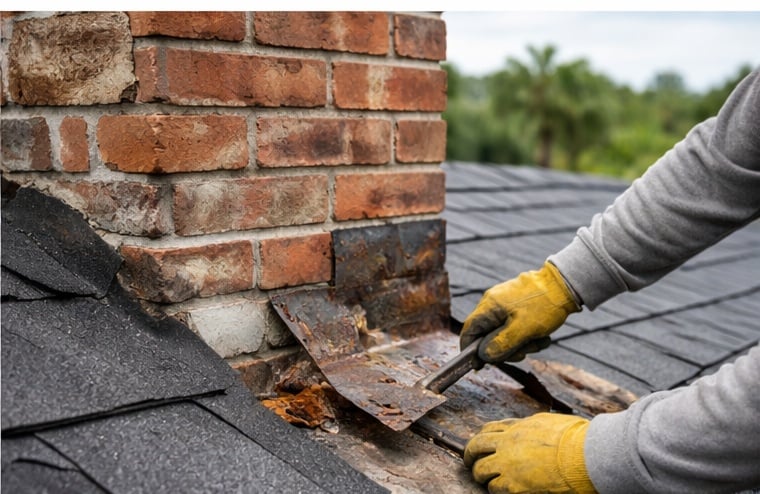
- Flashing and pipe boot integrity (the leak factories)
- Ventilation that matches the roof design and attic needs
- The manufacturer’s installation requirements were followed to protect the warranty
When the work is code-compliant and documented, it is much harder for an insurer to argue the scope is “optional.”
The claim timeline: what you should expect week by week
Every carrier is different, but the rhythm is predictable.
Week 1:
- Claim filed, claim number assigned, adjuster contact
- Inspection scheduled
Weeks 2 to 4:
- Inspection occurs
- Initial estimate and coverage decision issued
- Requests for documents or additional photos
After that:
Researching your coverage is vital when filing a roof insurance claim.
Being proactive and informed will expedite your roof insurance claim process.
Ensure all necessary documentation is gathered for your roof insurance claim.
Understanding how to effectively navigate a roof insurance claim is crucial for homeowners facing unexpected damage.
Don’t hesitate to seek expert advice during your roof insurance claim.
- Supplements are submitted if the scope is incomplete
- Contractor scheduling based on approvals and material lead times
- Final invoicing and depreciation release (for RCV policies)
Each roof insurance claim is unique, requiring tailored documentation and strategy.
Ultimately, knowing how to present your roof insurance claim is key to a successful outcome.
Florida’s statute includes a pay-or-deny timeline for claims after notice, with details in the official text.
Understanding the technical details can significantly improve your roof insurance claim.
How to avoid scams and bad workmanship during the insurance rush
Use all available resources to strengthen your position during a roof insurance claim.
The fastest way to lose money on an insurance claim is to hire the cheapest contractor during peak storm chaos.
Protect yourself with a simple checklist:
- Confirm licensing and insurance (ask for proof)
- Demand permit clarity in writing
- Get a line-item scope, not a single lump-sum number
- Verify the warranty terms and who backs them
- Avoid anyone who pressures you to sign immediately
Each step taken in your roof insurance claim can influence the final outcome.
Seek assistance from professionals to navigate the intricacies of a roof insurance claim.
Understanding the policy details may help you leverage your roof insurance claim.
If they are allergic to paperwork, they will be worse with flashing.

Denied or underpaid roof claim: the practical next moves
Denial is not the end. It is just the insurer’s current position based on what they believe they can defend.
Common denial and underpayment drivers:
Revisiting the claim details can clarify any uncertainties in your roof insurance claim.
Always advocate for your rights when dealing with a roof insurance claim.
Consult regularly to ensure your roof insurance claim is on track.
- “Wear and tear” arguments
- “Improper installation” blame
- “Not enough damage to replace” decisions
- Missed line items and incomplete scope
Strong next steps:
It’s also essential to understand the different types of roof insurance claim policies available.
- Request the claim file and the adjuster’s photos/notes
- Get an independent inspection with detailed photo documentation
- Ask for a reinspection if new evidence is presented
In conclusion, being knowledgeable and prepared can make all the difference in your roof insurance claim.
Florida also offers a state-run mediation option for residential property claims through the Department of Financial Services, which can help resolve disputes without going straight to a legal brawl: Florida DFS mediation program.
Paperwork that wins claims in Tampa Bay
If you want the claim to go smoothly, treat documentation like it’s part of the roof system.
Keep a single folder with:
- Storm date and a short incident timeline
- Photos and videos (before and after, if available)
- Interior damage photos with room locations
- Temporary repair invoices and receipts
- Emails and notes from every call (who, what, when)
- All insurer estimates, letters, and payment explanations
When everything is organized, you spend less time chasing the process and more time getting your home back.
CONCLUSION
In summary, do the following:
- Be prepared for questions from your insurance company regarding your roof insurance claim.
- Keeping all related paperwork organized will help resolve your roof insurance claim.
- Preparation is key to a successful roof insurance claim.
- Your roof insurance claim may require multiple rounds of documentation.
- Remember to follow up on your roof insurance claim consistently.
A Tampa Bay roof damage claim goes best when the damage is documented early, the inspection is handled strategically, the scope is written to real code and real costs, and the paperwork stays tight from start to finish. File within Florida’s notice deadlines, prepare for the adjuster like it matters (because it does), and do not let storm-season chaos push you into a rushed contractor choice you will regret.
Read our blog: “Do You Replace Roof Flashing During a Roof Replacement in Tampa Bay?”