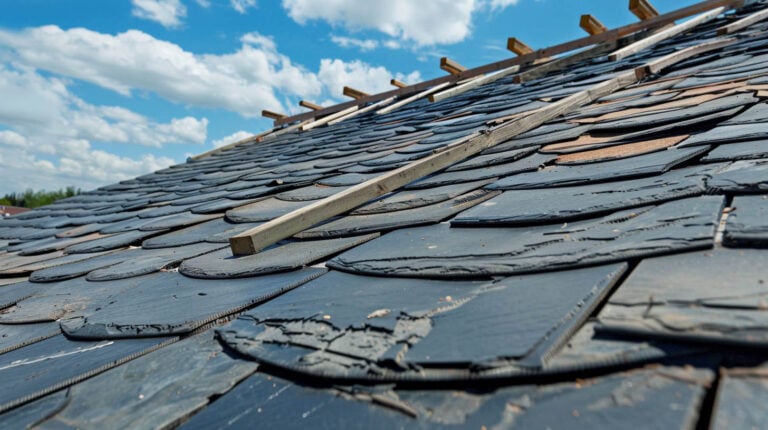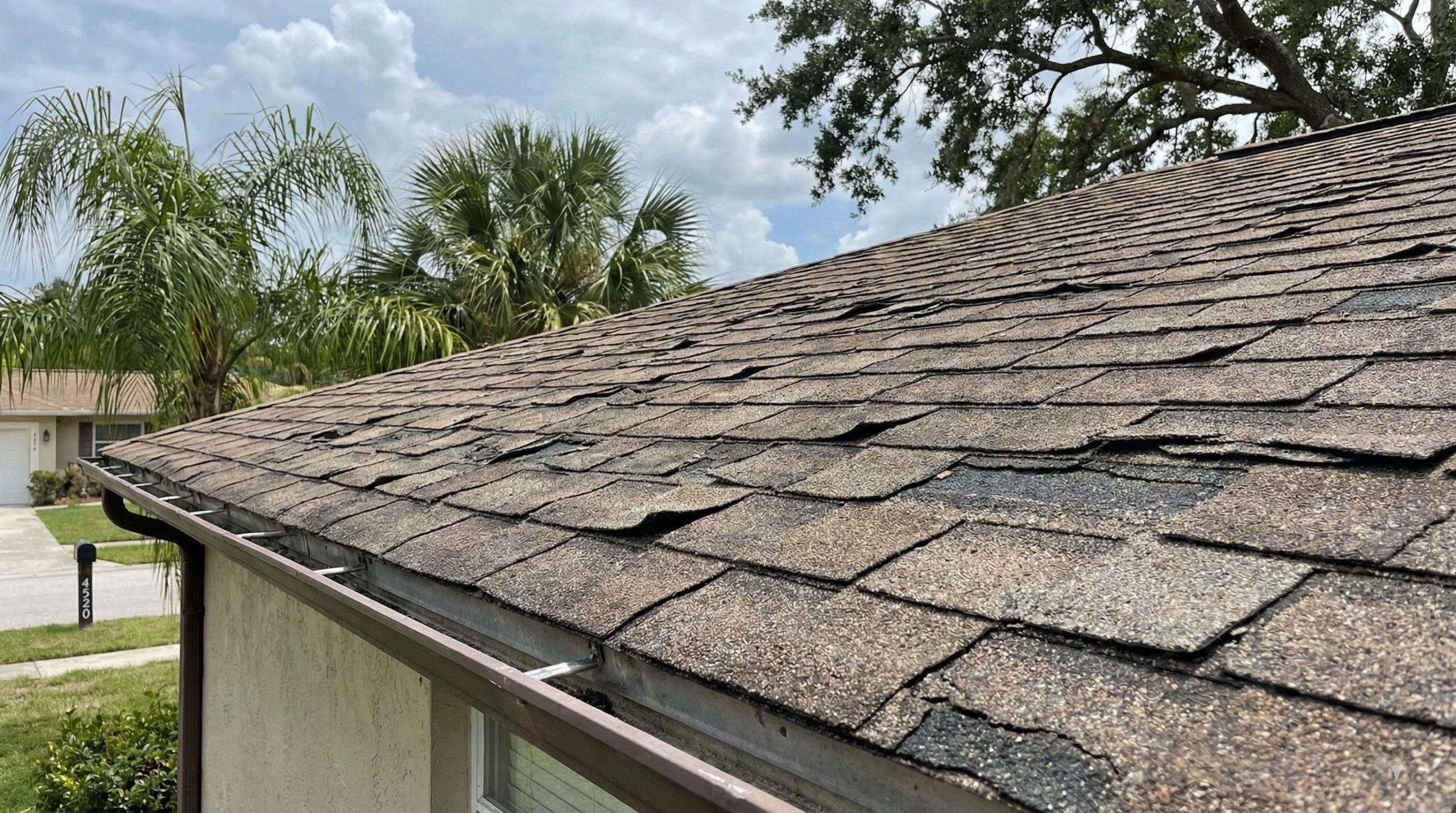
Storm damage can strike fast — and when it does, the last thing you want is to fumble your way through a complicated insurance claim. At Steadfast Roofing, based in Tampa, FL, we’ve seen firsthand how even minor delays or small missteps can cost homeowners thousands. This guide breaks down the storm damage insurance claim process from start to finish, giving you the information you need to act fast, protect your property, and avoid insurance pitfalls.
🌀 Understanding Storm Damage and Roof Insurance Coverage
Homeowner’s insurance policies typically cover wind, hail, and storm-related damage — but that doesn’t mean everything is automatically covered. Understanding how your policy works is critical before a storm hits.
What’s Usually Covered
- Wind Damage: Missing shingles, lifted flashing, or structural roof compromise.
- Hail Damage: Bruised or punctured shingles, granule loss, and soft metal dents.
- Falling Debris: Tree limbs or flying debris that physically damage your roofing system.
- Water Damage (if sudden): Interior leaks caused by sudden storm intrusion — but not gradual seepage.
What’s Usually Not Covered
- Wear and Tear: Age-related issues, brittle shingles, or deteriorated flashing.
- Maintenance Neglect: Claims can be denied if your roof shows signs of neglect or pre-existing damage.
- Flooding: Standard homeowner’s insurance doesn’t cover flood damage from storm surge.
📸 Step-by-Step: What to Do Right After the Storm
Timing matters. Insurance companies expect you to take quick and reasonable steps to mitigate further damage and document what occurred. Here’s how to move with precision:
1. Document Everything Immediately
- Take high-resolution photos and videos of visible damage (roof, gutters, attic, ceiling).
- Capture wide shots of the property and close-ups of impacted areas.
- Save timestamped images if possible — they help prove the timing of damage.
2. Protect the Property
- Install a tarp or temporary seal to prevent more water from getting inside.
- Save receipts for any temporary repairs — these may be reimbursable.
3. Contact a Local Roofer for a Storm Inspection
- A certified roofer can identify both visible and hidden damage.
- Avoid out-of-town “storm chasers” who often cut corners or vanish after collecting deposits.
4. File the Insurance Claim Promptly
- Most policies have strict timeframes for storm claims — don’t wait.
- Be ready to submit documentation, proof of loss, and repair estimates.
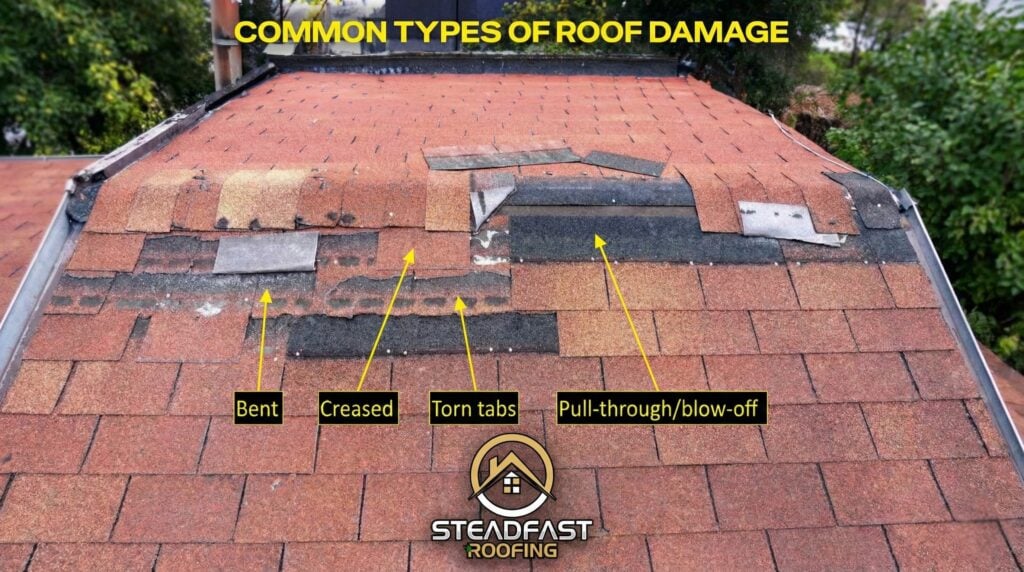
🛠️ Why an Independent Roof Inspection Can Save Your Claim
Insurance adjusters work for the carrier — not for you. That’s why having an independent storm damage assessment is crucial.
Key Benefits:
- Uncover Hidden Damage: From lifted shingles to underlayment compromise.
- Insurance-Grade Report: With photo evidence and a detailed scope of repairs.
- Support for Fair Settlement: Prevents lowball offers or unnecessary denials.
The best contractors will also meet your insurance adjuster on-site, ensuring nothing gets missed in the inspection.
💡 What If the Insurance Company Denies or Underpays?
It’s not uncommon for initial claims to be denied or underpaid, especially if:
- The adjuster overlooks damage
- The report is vague or incomplete
- The insurer says the damage is cosmetic or pre-existing
How to Fight Back:
- Request a reinspection with your contractor present.
- Get a second opinion from a licensed roofer or public adjuster.
- File an appeal or, if needed, escalate to the Florida Department of Financial Services.
Some homeowners may also consult a property damage attorney if bad faith tactics are suspected.
🧾 Actual Cash Value vs. Replacement Cost Value Policies
Your payout depends heavily on what kind of policy you carry:
ACV (Actual Cash Value)
- Pays you the roof’s depreciated value.
- You’ll get less money if the roof is old or worn.
RCV (Replacement Cost Value)
- Pays for a full replacement at today’s prices, minus your deductible.
- You’ll usually receive two checks: one upfront and one after work is completed.
Pro tip: Many Florida homeowners are switching to RCV policies to better protect against storm damage.
🧰 How to Choose the Right Roofing Contractor for Storm Claims
Your choice of contractor is just as important as your insurance adjuster. The wrong pick can derail the entire claim process.
Look For:
- Licensed & Insured Roofing Contractor
- Experience working with storm damage insurance claims
- Willingness to handle documentation and adjuster meetings
- Clear, itemized estimates (not just a lump sum)
Make sure the roofer offers written warranties and proof of local references. And don’t pay upfront for work that hasn’t started.
⛔ Red Flags to Avoid After a Storm
Storm season attracts a lot of noise. Here are signs you’re dealing with someone shady:
- Out-of-State Plates: Fly-by-night contractors who disappear after payment.
- Pressure Tactics: Scare tactics, “limited-time” deals, or requests to sign blank contracts.
- No License or Insurance: Always verify with the Florida DBPR database.
Stick with local, established roofing companies that stand behind their work and reputation.
🧭 Storm Damage Insurance Claim Timeline
| Step | Timeframe |
|---|---|
| Storm hits | Day 0 |
| Inspection & Documentation | Within 1–3 days post-storm |
| File claim with insurance | Within 7–14 days |
| Adjuster inspection | Within 1–2 weeks after filing |
| Claim approval/denial | 30–60 days (varies by insurer) |
| Roof repair or replacement | Once funds are released |
⚖️ Florida-Specific Rules You Should Know
Thanks to frequent hurricane activity, Florida has strict roofing laws and unique protections for homeowners.
- Claim Filing Deadline: 1 year from date of loss for most policies (updated per SB 76)
- Deductibles: Hurricane deductibles may be separate from standard ones
- ACV vs RCV: Know what you’re paying for — some insurers push ACV policies with cheaper premiums but reduced benefits
- Assignment of Benefits (AOB): Recent legislation has limited third-party AOBs, giving you more control over your claim
Always review your Declarations Page and consult a roofing pro who understands Florida law and building code.
✅ Final Thoughts: Act Fast, Stay Informed, Choose Wisely
Storm damage doesn’t wait. Neither should you. The faster you act — and the more informed you are — the better your chances of getting a fair insurance settlement and a quality roof repair.
If you’re unsure where to start, schedule a free storm damage inspection from a reputable local expert. Make sure your contractor speaks insurance fluently, documents thoroughly, and advocates for you — not the adjuster.
A secure roof starts with the right moves after the storm.
Conclusion
Storm damage insurance claims don’t have to be overwhelming. With the right knowledge, proper documentation, and help from a trusted roofing partner, you can navigate the process with confidence and protect your home investment. Tampa homeowners facing hurricane or hail damage should act swiftly and lean on local expertise to ensure nothing is left to chance.
Take a moment to read one of our latest blogs: “How to Choose a Roofing Contractor You Can Trust (Full Checklist)”.