At Steadfast Roofing, we deliver expert guidance for Florida homeowners facing the critical decision of whether to repair a roof leak or replace the entire roof system. With our years of experience in Tampa, FL, we’ve helped countless clients assess damage, evaluate costs, and choose the wisest path forward.
Recognizing the Early Signs of Roof Leaks
Interior Symptoms to Watch
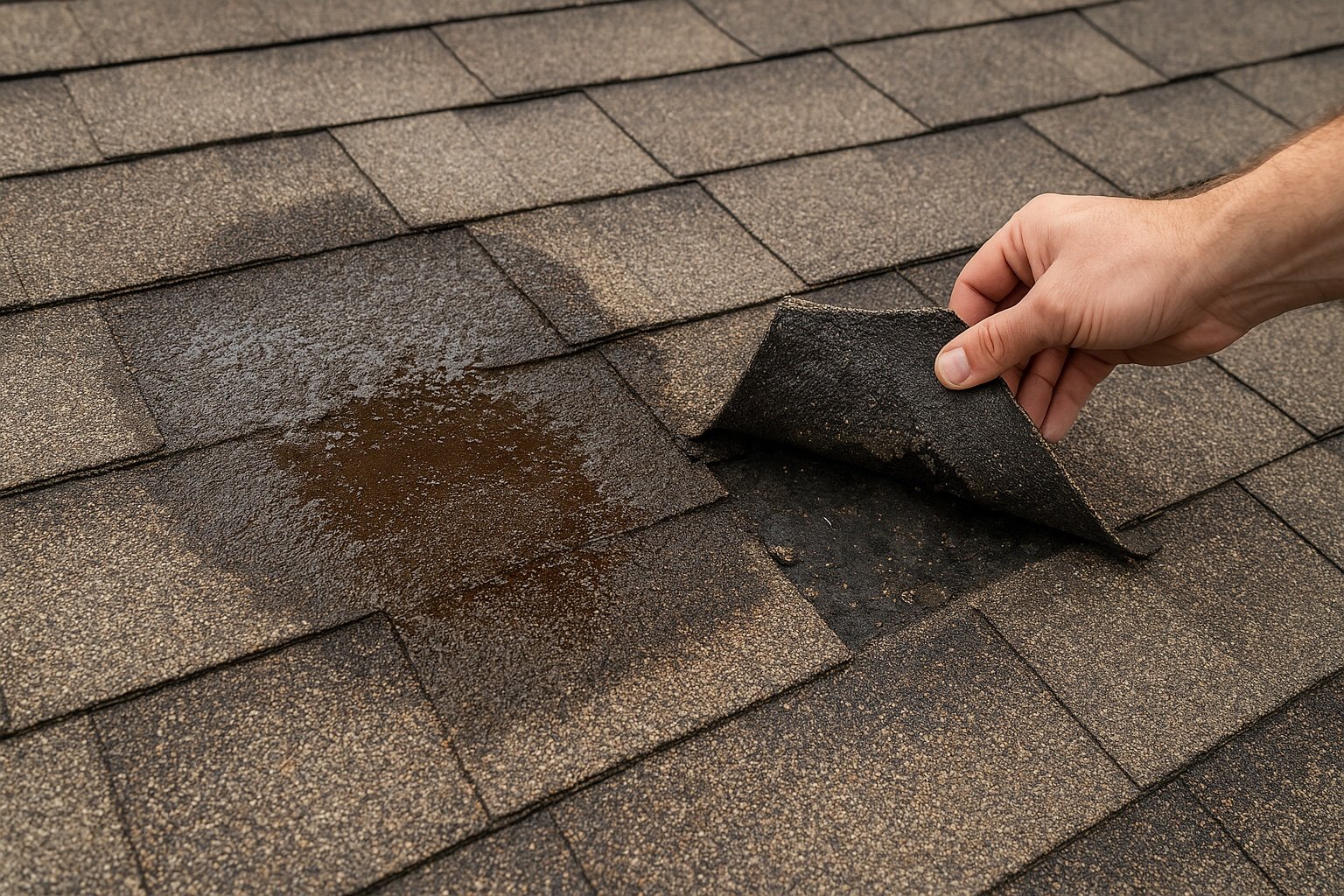
When leaks begin, interior signs often appear first: water stains or dark discoloration on ceilings and walls, peeling or blistering paint, damp insulation in the attic, or even mold growth in hidden spaces. These symptoms indicate that roof moisture is bypassing barriers and entering your home’s structural components.
Exterior Warning Signals
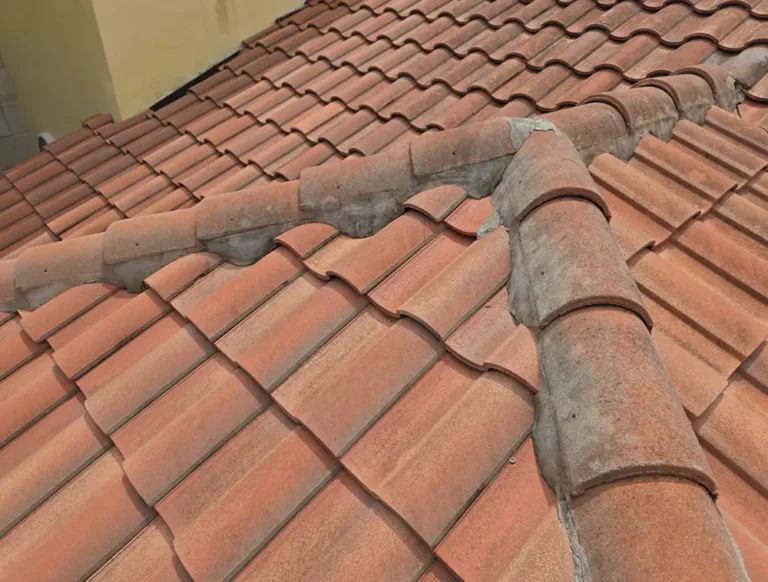
From the outside, keep an eye on damaged or missing shingles, cracked tiles, deteriorated flashing around vents and chimneys, rusted fasteners, especially near coastal areas, or sagging roof deck sections. These problems allow water intrusion to accelerate and compromise the underlayment, deck, and even structural framing.
Impact of Florida’s Environment
Florida’s high humidity, intense sunlight, and frequent storms create a perfect storm of wear on roofing systems. UV exposure accelerates granule loss on asphalt shingles, salt air near coastal zones corrodes metal flashings, and heavy seasonal storms increase uplift and leak risk. In such conditions, what might appear to be isolated damage can quickly turn into systemic failure.
Repair vs. Replacement: How to Decide
When Repair Is the Smart Choice
Repair is appropriate when the damage is localized and the roof system still has useful life remaining. Typical scenarios include:
- A small cluster of missing or damaged shingles or tiles
- Minor leaks that appear after new storms or on one slope only
- Flashing around a single penetration that has failed
- A relatively young roof (in the first half of its expected lifespan) with no underlying structural damage
In those cases, targeted repair can restore protection and extend lifespan without the expense of a full replacement.
When a Full Replacement Is the Right Move
Replacement becomes the better investment when:
- Multiple leaks or widespread damage exist across the roof slopes
- The roof is near or past its expected lifespan based on the material type
- The decking is compromised (soft, sagging, rotted)
- Frequent repairs have been required, and further patches delay the inevitable
- Building-code updates, insurance considerations, or storm-resistance upgrades justify a full system overhaul
In those situations, a full replacement offers long-term protection, improved performance, and stronger resilience.
Cost Considerations and Long-Term Value
Repair Costs vs. Replacement Costs
Minor roof repairs may cost several hundred dollars, while replacing an entire roof—depending on size, material, pitch, and access—can run into the thousands. It’s vital to evaluate not just upfront costs but also long-term value: a new roof removes ongoing repair risk, may reduce insurance premiums, increase resale value, and improve energy efficiency.
Insurance & Code-Compliance Factors in Florida
Insurance providers often flag ageing roofs, especially in high-wind or hurricane-prone zones. Recent Florida code changes have adjusted replacement triggers, meaning that in some cases, only the damaged portion must be brought up to current standards rather than replacing the entire roof. Nevertheless, if multiple sections are failing or non-compliant, replacement may be the only viable path.
Hidden Damage and Future Risk
What appears to be a surface leak can, if ignored, lead to rot, mold, compromised sheathing, and structural damage. A new roof essentially resets the risk clock. When factoring in these hidden costs and the value of peace of mind, replacement can be the more financially sound option for many homeowners.
Smart Steps to Take After Discovering a Leak
- Schedule a Full Roof Inspection
A professional inspection will identify leak source(s), assess decking condition, review flashing integrity, and evaluate remaining roof life. - Document the Damage
Take clear photos or videos of stains, visible damage, and attic conditions. This helps with insurance claims, repair planning, and tracking deterioration over time. - Obtain a Detailed Scope
Any estimate should clearly describe what will be repaired or replaced, provide cost breakdowns, list the materials used, specify the expected lifespan, and outline implications for future durability. - Evaluate Long-Term Outlook
Ask: How much life is left in the roof? Will a repair suffice for the next 5-10 years, or is replacement the wiser investment? Consider future storm risk, insurance eligibility, and home resale planning. - Make a Timely Decision
Time matters. Delaying action can lead to greater interior damage, higher costs, and fewer options. Whether you repair or replace, acting promptly ensures better outcomes.
Common Homeowner Questions
Q: If I repair the leak, will I certainly avoid replacement for several years?
A: Not always. If the underlying decking or flashing is compromised, a repair may only be a temporary fix. Your inspection should assess the whole system.
Q: Does insurance cover roof leaks or replacements?
A: Coverage varies by cause. Damage from storms or sudden events may be covered; wear and tear or deferred maintenance generally is not. Always review your policy and document thoroughly.
Q: How much longer can I expect the roof to last after repair?
A: If the system is still in good shape and the repair addresses all underlying issues, you might extend life several years. But if age, broad damage, or structural issues are present, replacement gives stronger longevity.
Q: Can I delay the replacement if the roof still seems mostly intact?
A: Possibly, but delay increases risk. A minor issue today can grow rapidly under Florida’s conditions—costs rise, interior damage can begin, and insurance options may erode.
Why Choosing the Right Contractor Matters
Selecting a roofing professional experienced in Florida’s unique climate is key. Properly matching materials, ensuring wind-uplift ratings, installing correct flashing and ventilation, and following code all matter. With the right contractor, your decision—repair or replace—will be executed reliably, efficiently, and transparently.
Conclusion
The decision to repair or replace your roof after a leak is pivotal. By carefully assessing the signs, evaluating system age, understanding cost and insurance implications—and choosing a qualified contractor—you can protect your home, enhance durability, and make the wise choice.
Take a moment to read one of our latest blogs: “When to Replace a Roof in Florida: Signs, Timing, and Expert Guidance”.