Storm damage can devastate residential roofs, leading to structural problems and costly repairs if left unchecked. At Steadfast Roofing, we believe in empowering homeowners with the knowledge to protect their property. Recognizing storm-related roof damage early and taking swift, informed action can make the difference between minor fixes and extensive restoration.
Understanding Common Types of Storm Damage to Roofs
1. Wind Damage: The Invisible Destroyer
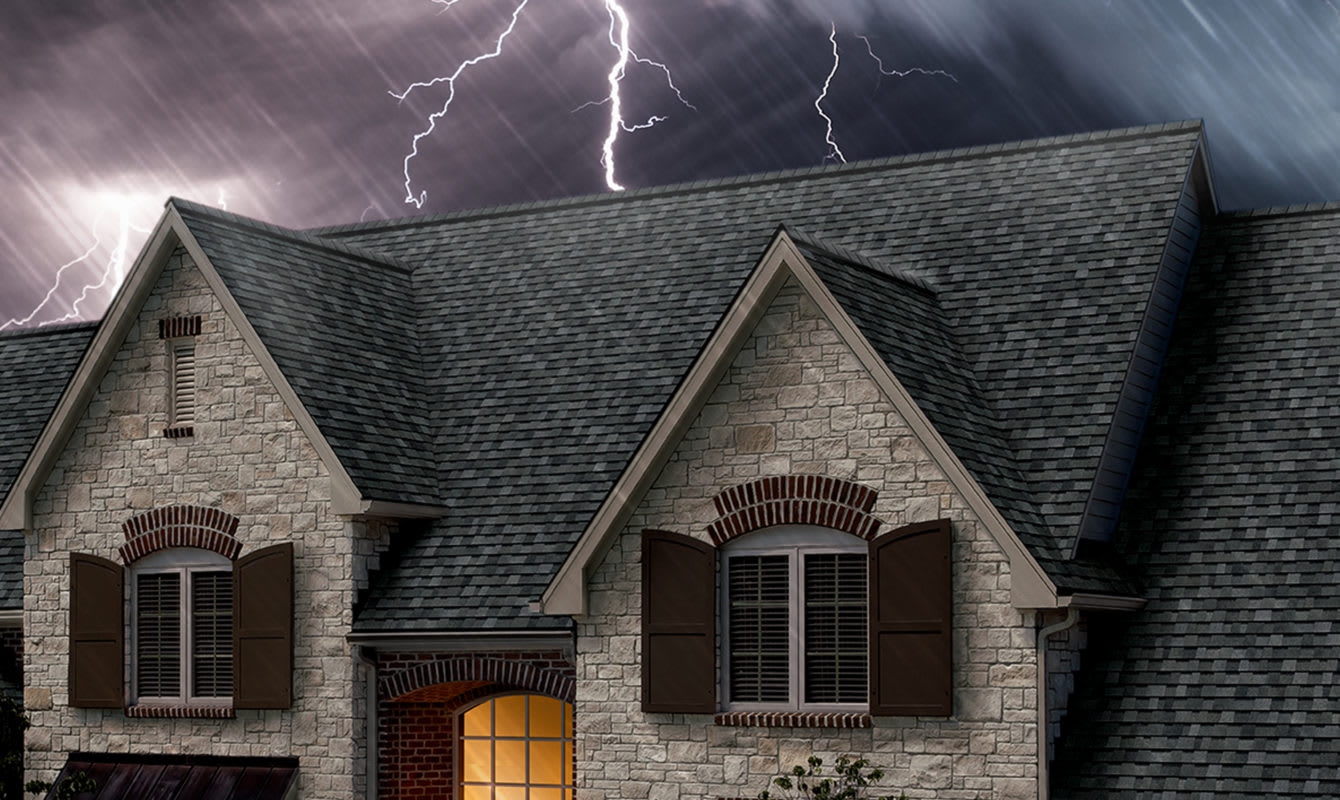
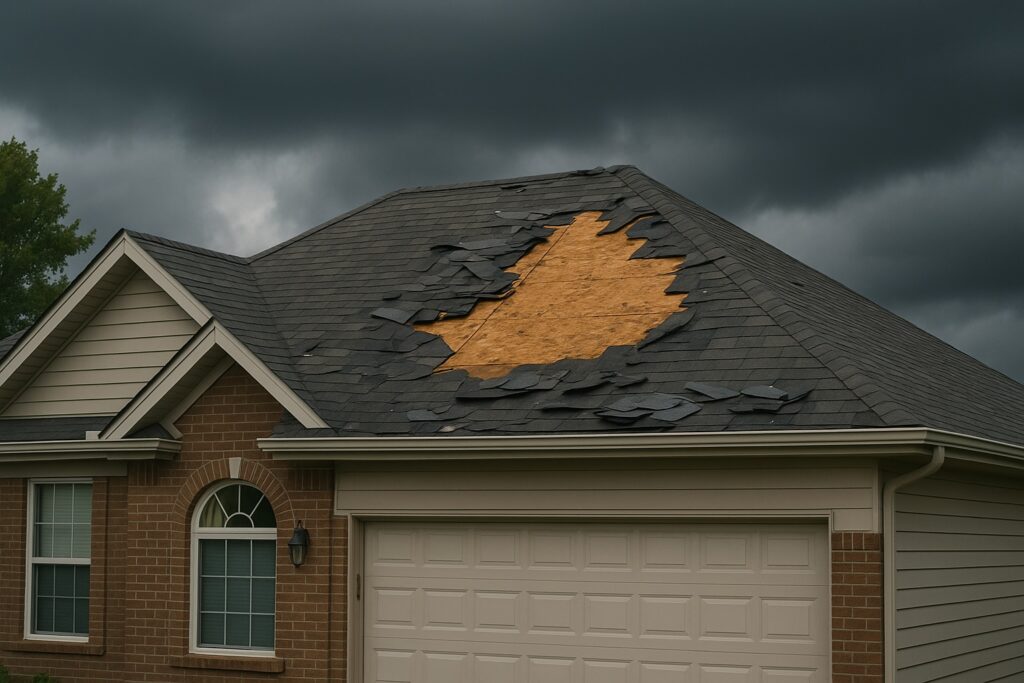
High winds from hurricanes, tropical storms, or even intense thunderstorms can lift shingles, expose underlayment, or cause complete roofing sections to tear away. This creates vulnerabilities that invite water intrusion, mold, and insulation breakdown.
Indicators of wind damage:
- Missing or curled shingles
- Lifted flashing near chimneys or vents
- Debris buildup in roof valleys or gutters
- Creased or torn shingle edges
2. Hail Damage: The Granule Erosion Threat
Hailstones can dislodge protective granules from asphalt shingles, diminishing their UV resistance and lifespan. Even small hail can leave impact marks, compromising the roof’s ability to withstand future weather events.
Common signs of hail impact:
- Random dark spots or bruising on shingles
- Soft indentations that feel like dimples
- Exposed or shiny roofing felt
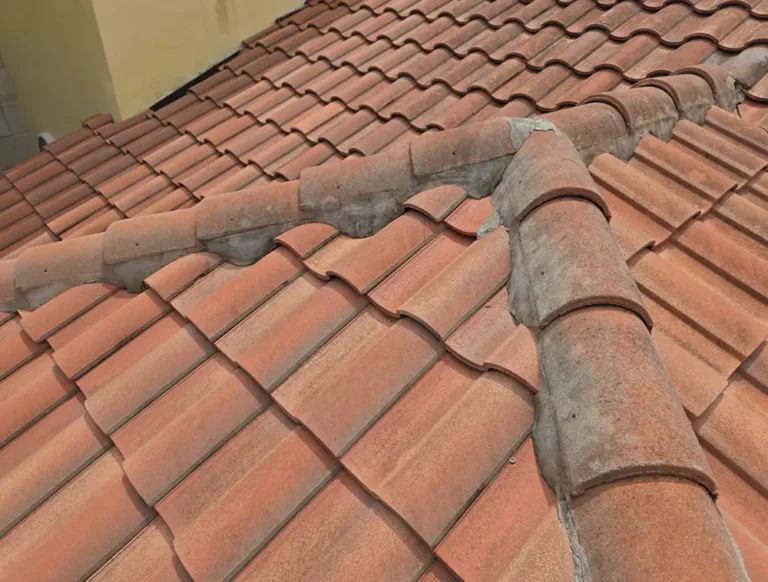
- Cracked or broken tiles in tile roofing systems
3. Rain and Flooding: The Silent Intruder
Heavy rainfall doesn’t typically damage the surface materials, but it exploits existing vulnerabilities such as worn flashing, clogged gutters, or minor cracks. Over time, water infiltration can rot wooden decking, rust metal components, and collapse ceilings.
Warning signs of water damage:
- Persistent ceiling leaks or stains
- Dripping in the attic during storms
- Mold or mildew on rafters and insulation
- Bubbling wall paint or peeling wallpaper
Key Areas to Inspect for Roof Storm Damage
1. Shingles and Tiles
After a storm, a visual inspection from the ground with binoculars or a drone can help you spot missing or deformed roofing materials. Focus on roof slopes facing the direction of the wind or hail.
2. Flashing and Seals
Check the metal flashing around roof protrusions, valleys, and intersections. Cracked sealant or shifted flashing can lead to immediate leaks, especially near skylights or chimneys.
3. Attic and Interior Ceilings
From inside the home, signs like water spots, mildew odors, or soft drywall often indicate a leak source. An infrared moisture detector can provide deeper insight into hidden issues.
4. Gutters and Downspouts
Storm debris can block water flow, leading to pooling at the roof edge or foundation. Ensure that gutters are secure, and inspect for shingle granules, which often signal hail impact.
Proactive Prevention Tips Before the Next Storm Hits
Schedule Regular Roof Inspections
Biannual roof inspections—especially before hurricane season—allow you to detect and fix minor problems before they escalate. A certified roofer can assess for material fatigue, sealant wear, and ventilation integrity.
Reinforce Shingles and Flashing
Installing wind-resistant shingles rated for 130+ mph gusts can significantly reduce blow-off risk. Additionally, upgrading flashing to heavy-duty steel and using high-grade sealants can protect critical joints.
Trim Trees and Remove Debris
Overhanging limbs are a major hazard. Trim them back at least 6 feet from the roof. Clear loose items like patio furniture or antennas that can become airborne during high winds.
Secure Roof Features
Ensure that attic vents, turbines, skylights, and satellite dishes are firmly anchored and sealed to resist uplift forces and prevent water infiltration.
What to Do Immediately After a Storm
1. Perform a Safe Preliminary Inspection
Using binoculars or drone footage, examine the roof and perimeter for damage. Avoid climbing the roof unless it’s dry and structurally secure.
2. Document All Damage Thoroughly
Take timestamped photos and videos of any visible roof damage, interior leaks, or storm debris. This will serve as critical evidence when filing insurance claims.
3. Contact Your Insurance Provider
Report the damage as soon as possible. Most policies cover storm-related roofing issues, but delays can jeopardize your claim. Provide the evidence collected and schedule an official inspection.
4. Hire a Reputable Roofing Contractor
Choose a licensed, insured local expert with storm restoration experience. A professional assessment will include moisture scanning, structural inspection, and an estimate for full repair or replacement.
Repair vs. Replacement: Making the Right Call
When to Repair
- Damage is localized to one or two areas
- Shingles are relatively new and have not degraded significantly
- Underlayment and decking remain intact
- No signs of chronic leaks or mold
When to Replace
- Widespread shingle loss or granule erosion
- Roof is older than 15 years and near the end of its lifecycle
- Severe structural damage to decking or trusses
- Insurance covers full or partial replacement due to storm event
Working with a Storm Damage Roofing Specialist
Storm damage often requires more than cosmetic fixes. It demands a contractor who understands local weather patterns, building codes, and insurance coordination. This ensures that repairs not only restore the roof but strengthen it against future storms.
Steadfast Roofing, based in Riverview, FL, provides expert storm damage assessments and rapid-response restoration services. Their team helps homeowners navigate the insurance process while ensuring quality repairs backed by warranty and experience.
CONCLUSION
Storm damage can compromise the safety, value, and energy efficiency of your home. By learning to recognize the signs early, conducting strategic inspections, and collaborating with trusted professionals, you can avoid incurring extensive costs and ensure the long-term integrity of your roof. Prioritize prevention, act swiftly after storms, and partner with experts to safeguard your home year-round.
Read our blog titled “Essential Roof Maintenance Strategies to Extend Your Roof’s Lifespan” next!