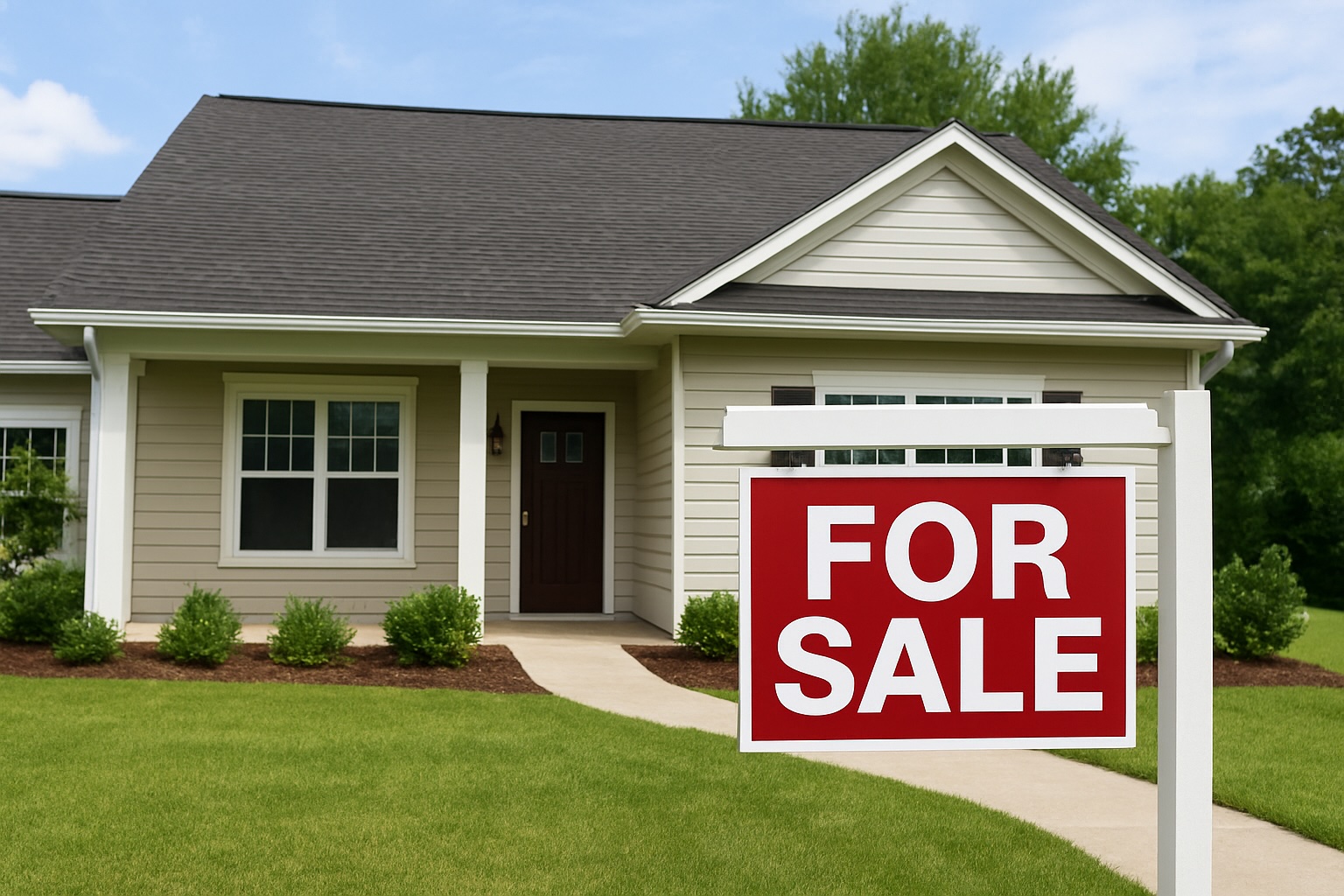
When preparing to place your home on the market, a roof inspection is one of the most strategic decisions you can make. In Riverview, Florida, we at Steadfast Roofing recommend a pre-listing roof inspection to protect your value, expedite the sale process, and avoid last-minute negotiation setbacks.
Below is a comprehensive, detailed guide we have prepared to help you understand every aspect of a roof inspection before listing your home.
Why a Pre-Listing Roof Inspection Matters
Protect the Sale Price and Negotiation Power
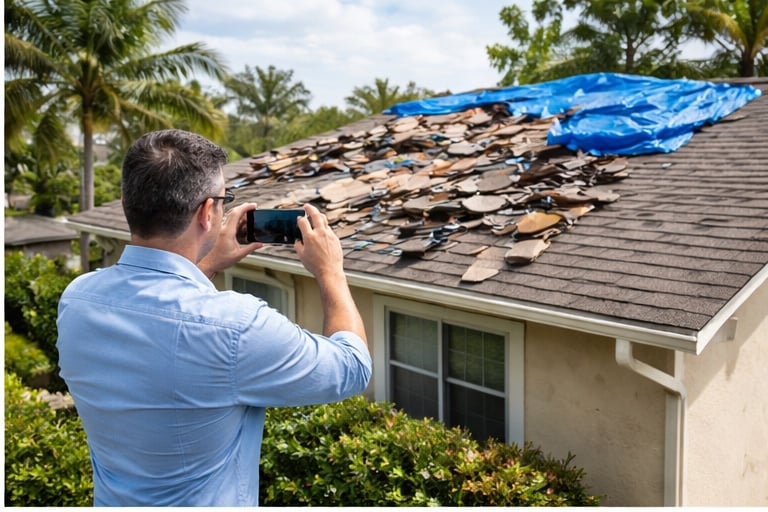
A roof inspection reveals hidden damage—rot, failed flashing, missing underlayment, or structural faults—that a buyer’s inspector is likely to catch. Discovering and addressing these issues before buyer inspections helps you maintain control over the sale process rather than being forced to make concessions.
Avoid Delays and Deal Fallout
When a buyer’s inspection uncovers serious roof defects, it can stall the closing, lead to renegotiation, or even cause the deal to collapse. By resolving issues in advance, you reduce the risk of last-minute obstacles and maintain the transaction timeline.
Strengthen Buyer Confidence with Documentation
A professional inspection report and a roof certification (if available) offer tangible proof of your home’s condition. Buyers gain assurance knowing the roof has been vetted, which fosters trust and reduces hesitation.
Influence Appraisal and Financing Outcomes
Lenders and appraisers scrutinize a roof’s condition, especially for properties nearing the end of their expected life. An inspection that verifies structural integrity and remaining lifespan helps the home appraise appropriately and supports smoother loan approval.
Maximize Listing Appeal and Marketability
Listing a home with a documented, recently inspected roof is a marketing advantage. Buyers closely compare listings, and a sound roof can tip the scales in your favor—especially in competitive markets.
What Happens During a Roof Inspection: Elements & Methods
A thorough roof inspection goes well beyond surface-level checks. The most competent roof inspectors assess:
| Element | What It Involves | Why It Matters |
| Roof Deck & Structure | Deck sagging, rot, warping, and decking integrity | Structural failure can lead to collapse or leaks |
| Flashing & Sealants | Condition around chimneys, vents, valleys, and eaves | Improper flashing is a common leak source |
| Shingles or Covering Material | Cracks, curling, missing shingles, and granule loss | Direct indicator of wear and vulnerability |
| Underlayment & Membranes | Moisture intrusion, torn underlayment, gaps | First line of defense below the shingles |
| Attic & Ventilation | Insulation quality, ventilation, mold, and moisture | Poor ventilation shortens roof life and hides issues |
| Roof Penetrations | Skylights, vents, pipes, penetrations | Each breach is a potential leak point |
| Gutters & Drainage | Clogged gutters, downspout alignment, and water diversion | Poor drainage accelerates damage |
| Workmanship & Previous Repairs | Evidence of patching, overlayment, and subpar repairs | Can hide underlying defects or mask aging components |
Advanced inspection methods may include:
- Drone photography or video to view steep or hidden roof areas safely
- Infrared (IR) thermography to detect hidden moisture behind roofing layers
- Moisture scanning in attics or ceilings to spot damp zones
- Close-access visual inspection from the rooftop by certified inspectors
These methods help uncover defects that the unaided eye may miss.
When to Schedule the Inspection
Timing is crucial. We recommend:
- At least 60 to 90 days before listing your home, giving enough buffer to make repairs
- After major weather events (storms, hurricanes, hail), spot storm-related damage
- During dry, mild seasons to allow safe access and accurate assessments
An early inspection lets you integrate repairs into your selling timeline and avoid panic fixes after listing.
Interpreting Inspection Findings: Repairs, Replacements, or Credits?
Once your inspection report arrives, these are your strategic options:
Minor Defects & Wear
Issues such as isolated missing shingles, cracked flashing, clogged gutters, or minor underlayment tears are often cost-effective to repair. Handling them upfront demonstrates due diligence.
Moderate Damage
If inspection reveals multiple problem zones—rot, weakened decking, intermittently missing underlayment—partial replacement or focused structural reinforcement may be required.
Near End-of-Life Roof
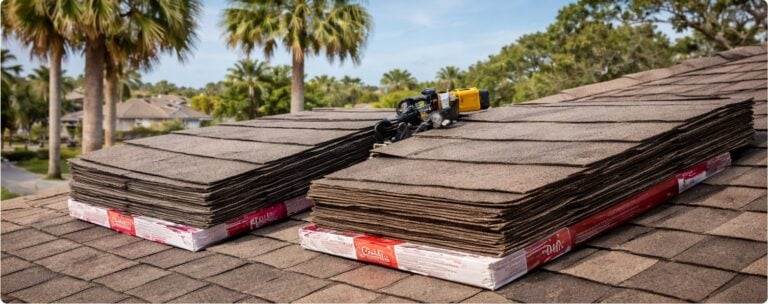
When the roof is nearing the end of its expected life (especially 20-25+ years in Florida’s climate), total replacement may be the more compelling option. Buyers dislike the looming costs of replacement, so a new roof can deliver a strong ROI and eliminate major objections.
Alternate Strategy: Seller Credit
If time or cash flow constraints make full repair or replacement impractical, offering a buyer credit or escrow holdback is viable. However, buyer credit often carries negotiation risk—buyers may inflate costs or request further contingencies.
ROI and Cost Considerations
- Cost of inspection: Typically ranges from $150 to $400 in many markets (including drone, IR, or advanced techniques).
- Potential repair costs: Varies widely; minor repairs may run a few hundred to a few thousand dollars.
- Return on investment: Proactive roof improvements frequently recoup 60%–100% of their cost through higher sale price and fewer concessions.
- Savings vs. risk: Preemptively investing in inspection and repair usually costs far less than the price concessions or delays forced by later-identified defects.
FAQs Sellers Ask
Q: Must I disclose inspection reports to buyers?
You are generally required to disclose known material issues, but are not legally obligated to hand over full inspection reports unless local law demands it. Use reports strategically to reassure buyers without leaking negotiation leverage.
Q: Will a pre-inspection lead to a more demanding buyer inspector?
Possibly. But transparency often deters overzealous objections. Buyers tend to accept a documented inspection more readily than surprises.
Q: Can a buyer’s mortgage be rejected because of roof defects?
Yes. Lenders frequently refuse to approve loans on homes with major roof problems, require repairs, or delay appraisals until defects are resolved.
Q: What if the inspection finds nothing major?
That’s ideal. You present a clean report, reassure buyers, and differentiate your listing with documented condition.
How to Prepare for the Inspection
- Clear attic access: Ensure unobstructed access to attics or crawlspaces
- Clean gutters and downspouts so water flow patterns are visible
- Remove debris from the roof (branches, leaves)
- Gather past repair records & warranties to share with the inspector
- Check minor signs: look for interior water stains, ceiling sagging, or shingle granule fallout
Final Perspective
A professional, timely roof inspection before listing your home is more than prudent—it’s strategic. It transforms your roof from a potential liability into a competitive asset, positions you to command full value, and helps smooth every step of the selling process. With the right execution, this single step can reduce buyer objections, protect pricing power, and accelerate your sale with confidence.
Take a moment to read one of our latest blogs: “When Is It Time to Re-Roof Your Home?”