
Steadfast Roofing - #1 Metal Roofing Company
Unfailing Protection for Your Home
Steadfast Roofing, the premier choice for metal roofing in Ruskin, FL, offers top-notch services. As a local, licensed, contractor, we prioritize customer satisfaction and quality work. Serving residents in Ruskin, Brandon, Riverview, Ruskin, Tampa and surrounding areas in Hillsborough County, our expertise includes roof installations, replacements, inspections, and repairs.
As specialists in residential and commercial services, we are dedicated to providing customer service that is second to none. Whether you have a new construction project or it is time for repairs, we offer the roofing services you need.


Verified Review
"Prompt, professional and genuine. I highly recommend."
- Burt H.
Get Your Project Started


5.0 Rating

5.0 Rating

5.0 Rating
Why Choose Steadfast Roofing?
When it comes to choosing a roofing company in Ruskin, FL, Steadfast Roofing stands out for several reasons. Our commitment to certified excellence and customer satisfaction has earned us a reputation as the leading roofer in the area. We take pride in our work and have received numerous awards for our exceptional craftsmanship and dedication to customer service. Whether you need residential or commercial roofing services, we are the name you can trust.
Certified Excellence and Awards
Our commitment to excellence has been recognized through various certifications and esteemed awards, like Best of Florida Winner – 2023, BBB Accredited, Owens Corning Platinum Preferred Contractor. We take pride in our achievements that showcase our dedication to delivering top-notch services in the Tampa Bay area. These accolades highlight our expertise in residential and commercial roofing, solidifying our position as a leading licensed contractor in Ruskin, FL. Trust in our award-winning team to provide you with exceptional metal roofing solutions that meet the highest industry standards. Rest assured, choosing us guarantees quality work and peace of mind for all your property needs.

Our Commitment to Customer Satisfaction
At Steadfast Roofing, our commitment to customer satisfaction is unwavering. We prioritize exceeding our clients’ expectations by delivering top-notch residential and commercial services. As a licensed contractor serving Ruskin, FL, and surrounding areas in Hillsborough County, we ensure quality work in every project, from roof inspections to metal roof installation and gutters. Our dedicated team guarantees a seamless experience, providing peace of mind to property owners. Trust us for reliable roofing solutions tailored to your needs.


TH

Verified Review
Top Notch! From contacting the home office through selection of shingles and...
- Teri H.

Verified Review
Kimberly was my saving grace! She was professional, patient and knowledgeable. The...
- Sharon W.
MP
Verified Review
Steadfast Roofing exceeded our expectations from start to finish on our recently...
- Michael P.

Verified Review
Jon was my saving grace. Wonderful man his crew came in and...
- Leticia C.
KL
Verified Review
We just had our 14 year old roof replaced by Jon at...
- Kaitlyn L.


Verified Review
Jon Starry with Steadfast Roofing, at the onset and straight outta the...
- Jenny B.
TH
Verified Review
Top Notch! From contacting the home office through selection of shingles and installation, Jon and his entire team made the...
- Teri H.
Verified Review
Kimberly was my saving grace! She was professional, patient and knowledgeable. The price was just right (transparent). The crew should...
- Sharon W.
MP
Verified Review
Steadfast Roofing exceeded our expectations from start to finish on our recently completed reroof. Their rep, Richard Allard was professional,...
- Michael P.
Verified Review
Jon was my saving grace. Wonderful man his crew came in and did their thing and left without a trace....
- Leticia C.
KL
Verified Review
We just had our 14 year old roof replaced by Jon at Steadfast Roofing. They were amazing and I highly...
- Kaitlyn L.
Verified Review
Jon Starry with Steadfast Roofing, at the onset and straight outta the gate, presented himself and his business protocol with...
- Jenny B.
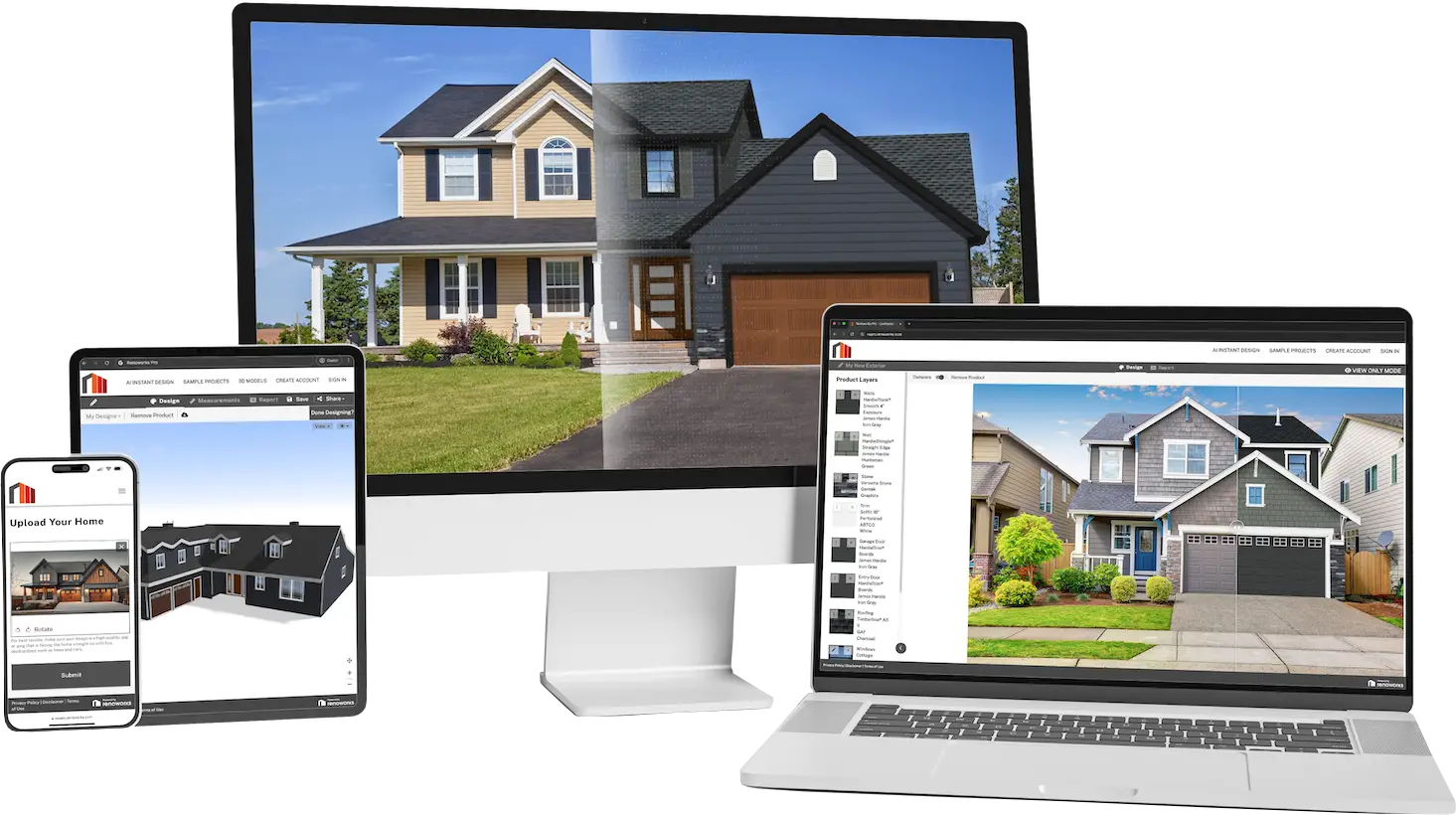
See Your New Roof Before Installation with Our Roof Visualizer
At Steadfast Roofing, we make the roof selection process simple and stress-free. With the Renoworks Roof Visualizer, you can preview how your new roof will look before any work begins. Choose from a wide range of materials, colors, and styles, and instantly see them applied to your home. This powerful tool helps you make confident decisions, avoid surprises, and save valuable time.
Advantages of Choosing Metal Roofing
Choosing metal roofing for your property offers several advantages. Metal roofs are known for their energy efficiency, eco-friendliness, and durability. They are highly reflective, reducing heat absorption and lowering cooling costs. Metal roofs are also recyclable, making them an environmentally friendly choice. Additionally, metal roofs can withstand severe weather conditions and have a long lifespan, making them a cost-effective option in the long run. At Steadfast Roofing, we specialize in metal roof installations and can help you reap the benefits of this excellent solution. If you’re considering installing a new roof, a metal roof is a smart and reliable choice for your home or business.

Durability and Longevity
Metal roofs are renowned for their durability and longevity. Unlike traditional roofs that may need to be replaced every 15-20 years, metal roofs can last 40-70 years. They are resistant to fire, insects, rot, and mildew, ensuring that your investment is protected for years to come. Metal roofs are also designed to withstand severe weather conditions, including high winds and heavy rain. Their strength and resilience make them an excellent choice for homeowners and property owners looking for a long-lasting solution. We specialize in metal roof installations and guarantee the durability and longevity of our work.

Energy Efficiency and Eco-Friendliness
Metal roofing in Ruskin, FL not only offers durability and longevity but also excels in energy efficiency and eco-friendliness. By opting for metal roofing, you contribute to a more sustainable environment while enjoying reduced energy costs. The reflective properties of metal roofs help in maintaining indoor temperatures, lowering the need for excessive cooling in warm climates like Ruskin, FL.
Get Started Today

What We Stand for:
Our Community
We know with so many roofing companies in the Tampa Bay area, choosing the right one comes down to who you trust to open your home to. Our team are big believers in protecting your investment and home not only in what we do but who we are.
Learn More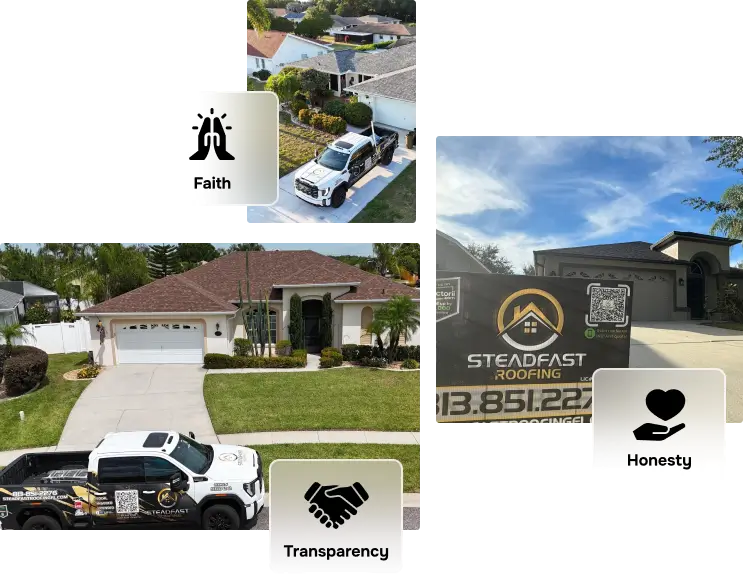
“Clear and transparent communication is our cornerstone. We’re not just building projects; we’re building relationships. We are people-driven not profit-driven, focusing on doing right by our clients, keeping them informed every step of the way, and delivering results that speak for themselves.”
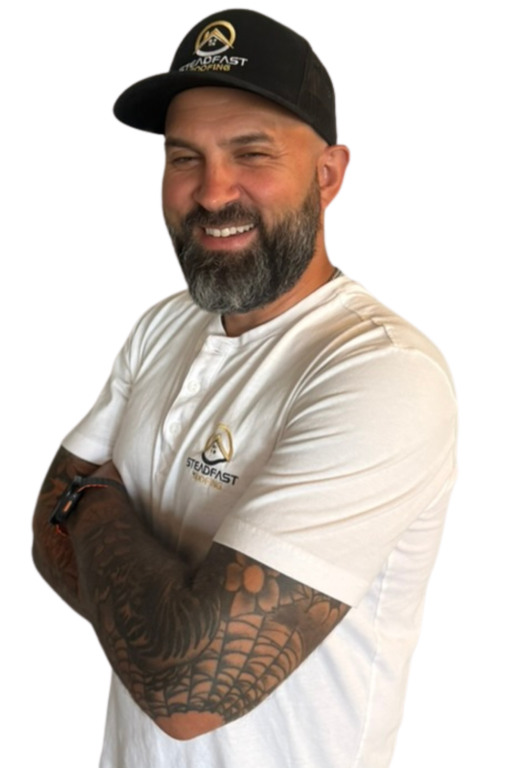
“Clear and transparent communication is our cornerstone. We’re not just building projects; we’re building relationships. We are people-driven not profit-driven, focusing on doing right by our clients, keeping them informed every step of the way, and delivering results that speak for themselves.”

Jon Starry/Owner & CEO
Our Metal Roofing Services
We offer comprehensive metal roofing services for both residential and commercial properties. Our expert team specializes in metal roof installation, ensuring a precise and professional installation process. We understand the unique requirements of each project and provide customized solutions to meet your specific needs. Whether you need a metal roof for your home or commercial property, we have the expertise to deliver superior results. Trust Steadfast Roofing for all your metal roofing needs in Ruskin, FL.
Residential Metal Roofing Installation
When it comes to residential metal roofing installation, Steadfast Roofing is the name you can trust. We understand the importance of a reliable and aesthetically pleasing roof for your home. Our team of experts will guide you through the entire process, from selecting the best metal roofing material to ensuring a seamless installation. With our attention to detail and commitment to customer satisfaction, you can have peace of mind knowing that your residential metal roof installation is in good hands. Experience the durability and beauty of a metal roof with us.

Commercial Metal Roofing Solutions
For commercial property owners in Ruskin, FL, Steadfast Roofing provides reliable and efficient commercial metal roofing solutions. We understand the unique challenges faced by commercial properties and offer customized solutions to meet your specific needs. Our team of experts specializes in commercial metal roof installations that are built to last. With our attention to detail and commitment to quality, you can trust us to deliver a reliable roof that protects your property and assets. Whether you need a metal roof installation or maintenance services for your commercial property, we have you covered.


Your Exclusive Roofing Partner
We get it – finding a roofing company is a total headache! But here's the deal: picking the right contractor isn’t hard when you’ve got one that’s fully specialized in roofing. We're all about making things smooth for you. As certified roof experts, we've teamed up with the best manufacturers and finance partners to hook you up with high-quality products that won't break the bank!
Our Comprehensive Process
We follow a comprehensive process to ensure that every customer receives personalized and high-qualitysolutions. It starts with an initial consultation, where we discuss your roofing needs and assess the condition of your roof. Based on this evaluation, we provide customized solutions tailored to your specific requirements. Our team of experts then proceeds with a professional installation, ensuring that every detail is taken care of. We are committed to delivering exceptional results and making the entire process, including the timeline, as smooth and hassle-free as possible for our customers.

Initial Consultation and Roof Inspection
During our initial consultation and roof inspection process, our licensed roofers assess your property thoroughly. We take the time to understand your specific needs and concerns, whether it’s for residential roofing services or commercial roofing solutions. By conducting a detailed inspection, we can provide you with a customized plan that meets your requirements in Ruskin, FL. This personalized approach ensures that you receive quality work and peace of mind throughout the roofing project. Trust Steadfast Roofing for a reliable roof that withstands the test of time.

Customized Roofing Solutions
We tailor our solutions to meet the unique needs of each client. By understanding your specific requirements, we can recommend the most suitable materials and designs for your property. With a focus on quality work and attention to detail, our customized approach ensures that your project aligns perfectly with your vision and budget. From traditional asphalt shingle roofing to modern tile roof installations, our expertise covers a wide range of options to enhance the durability and aesthetics of your property.

Professional Installation with Minimal Disruption
Our professional installation services guarantee a seamless process with minimal disruption to your daily routine for Ruskin residents. Our licensedcontractors ensure efficient workmanship, completing projects promptly and with precision. Whether it’s residential or commercial roofing, we prioritize a smooth installation experience for all our customers in Ruskin, FL. By choosing us for your metal roofing needs, you can trust in our ability to deliver quality work while minimizing any inconvenience to you. Rest assured, your project will be handled with care and proficiency.
Quality. Integrity. Experience.
Get Started Today