Deciding to replace a roof is one of the most significant investments a homeowner will make, yet the process is saturated with misleading advice and persistent myths. These widespread misconceptions, often disseminated through casual conversation or outdated information, can lead to costly errors in material selection, contractor choice, and overall project timing. To safeguard our clients’ investments and ensure their homes receive the superior protection they deserve, we are dedicated to providing clear, factual guidance rooted in decades of professional experience. We believe that an informed homeowner is an empowered one, and selecting a local partner with a sterling reputation is critical. Homeowners in Riverview, FL, and surrounding communities often look to firms recognized for their meticulous approach to delivering lasting, durable roofing solutions built to withstand the rigorous demands of the Florida climate, such as Steadfast Roofing. Their expertise ensures we always deliver superior, long-lasting results. By systematically dismantling the most prevalent falsehoods, we can ensure every replacement project adheres to the highest standards of quality, compliance, and structural integrity.
The Quality vs. Cost Conundrum: Why the Lowest Bid is Rarely the Best Investment
One of the most damaging misconceptions we encounter is the belief that roof replacement is a commodity service where the lowest price automatically dictates the best value. We understand the appeal of cost savings, yet selecting a contractor based solely on the cheapest estimate introduces profound risks that far outweigh the initial monetary difference. A legitimate, high-quality roofing system requires substantial investment in premium materials, expert labor, comprehensive licensing, and robust insurance coverage—costs that cannot be drastically cut without compromising the final product.
The disparity in pricing often reflects key differences in operational integrity. A low bidder may be utilizing uninsured subcontractors, installing lower-grade shingles that fail to meet high wind or impact ratings, or omitting critical components, such as a high-quality synthetic underlayment or a specialized ventilation system. These omissions save the contractor money but critically shorten the roof’s lifespan and void manufacturer warranties. We emphasize that a proper, correctly executed roof replacement should be viewed as a 20- to 30-year asset. The marginal savings realized by choosing the lowest bidder are invariably lost when premature roof failure necessitates expensive repairs or even a second replacement within a decade. Our focus is always on delivering transparent pricing that reflects the actual cost of lasting quality, ensuring our work meets or exceeds all stringent local building codes.
Material Selection Misconceptions: Performance Beyond Simple Aesthetics
Homeowners often fall prey to material myths, prioritizing curb appeal or anecdotal evidence over scientifically validated performance data specific to their climate. The idea that all materials perform equally, or that one particular type is universally “the best,” ignores the complex interplay between material composition, installation technique, and environmental stressors. For instance, asphalt shingles, while cost-effective and popular, vary dramatically. A standard three-tab shingle offers vastly different wind and impact resistance compared to a heavy architectural or dimensional shingle. Moreover, many fail to recognize that the longevity of an asphalt roof is heavily dependent on the quality of its granular coating, which protects the asphalt from intense ultraviolet degradation.
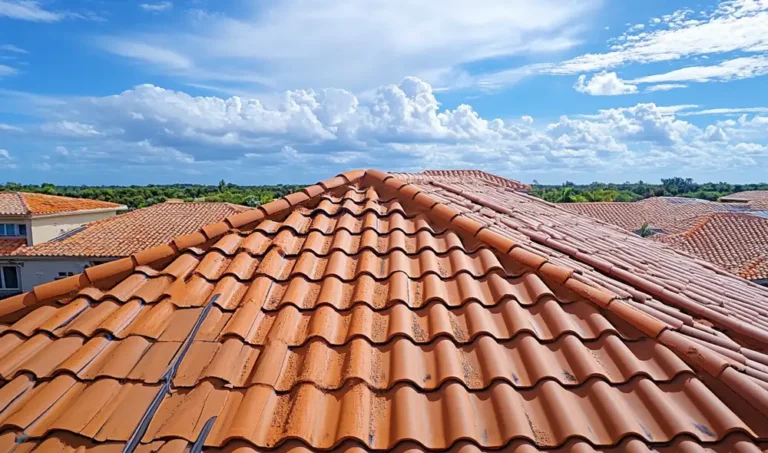
We advocate for a deep dive into material science, urging clients to consider modern advancements. This includes the implementation of specialized metal roofing with reflective cool-roof coatings that dramatically reduce attic temperatures and subsequent cooling costs, debunking the myth that metal roofs inherently make a home hotter. Similarly, while tile is known for its durability, it requires careful assessment of the roof deck structure due to its weight—a fact often overlooked until load-bearing issues arise. We always specify complete roofing systems, focusing not just on the visible layer but also on the critical, often invisible components, such as enhanced ridge ventilation, ice and water shield barriers, and perimeter drip edge installation. All of these components contribute exponentially to the system’s longevity and weatherproofing capabilities.
Timing and Condition: Waiting for Obvious Failure or the “Right” Season
A pervasive myth suggests that a roof replacement should be scheduled only after catastrophic failure—a visible leak or significant storm damage—or that installation must wait for a mythical “perfect season.” We counter this dangerous notion by explaining that delaying replacement until physical signs of failure appear often means water damage has already compromised the underlying sheathing, rafters, and interior finishes. Subtle indicators, such as excessive shingle granule loss observed in gutters, persistent higher-than-normal energy bills, or curled and cracked shingles, are the actual signs that a roof system is nearing the end of its useful service life.
Furthermore, the idea of a seasonal restriction for installation is essentially a fallacy. Professional, licensed roofing contractors are equipped to manage projects efficiently and safely year-round, utilizing weather monitoring and advanced protective tarping systems to shield the home during periods of exposure. Delaying a necessary replacement based on a perceived ideal weather window is fundamentally riskier than proceeding immediately, as waiting leaves the home vulnerable to sudden, unpredictable weather events. We schedule work based on comprehensive professional inspection findings, ensuring replacement occurs proactively when the roof’s protective function has diminished, rather than reactively after extensive, expensive interior damage has occurred.
Navigating Legal and Financial Realities: Permits, Insurance Claims, and Warranty Coverage
Many homeowners are misled about the legal and financial necessities surrounding roof replacement, believing the process is solely transactional. We assert that compliance with local building codes, documented through proper permitting, is non-negotiable and essential to protecting the home’s long-term market value. Contrary to the myth that permits are unnecessary paperwork, they trigger mandatory inspections by city or county officials, providing an invaluable third-party verification that the new roofing system meets the latest requirements, particularly those concerning hurricane and wind resistance. Unpermitted work is frequently flagged during property sales or during future insurance claim evaluations, creating significant liabilities for the homeowner.
Regarding insurance, the common misconception that a new roof automatically guarantees drastically lower premiums is overly simplistic. While a replacement generally improves the insurability of a structure, insurers assess the roof’s age, the material’s wind rating, and the quality of the installation. They often require specific documentation detailing wind mitigation features—such as secondary water resistance layers or enhanced fastener schedules—before adjusting coverage costs. We guide our clients through this process, ensuring that all necessary documentation is provided to maximize the insurance benefit of their investment. Crucially, we clearly define the separation between the manufacturer’s material warranty and our own workmanship warranty, ensuring clients understand that comprehensive protection involves both material guarantees and the contractor’s long-term commitment to a faultless installation.
Take a moment to read one of our latest blogs: “Top Roof Shingle Colors Trending in 2025 for Modern Homes“.