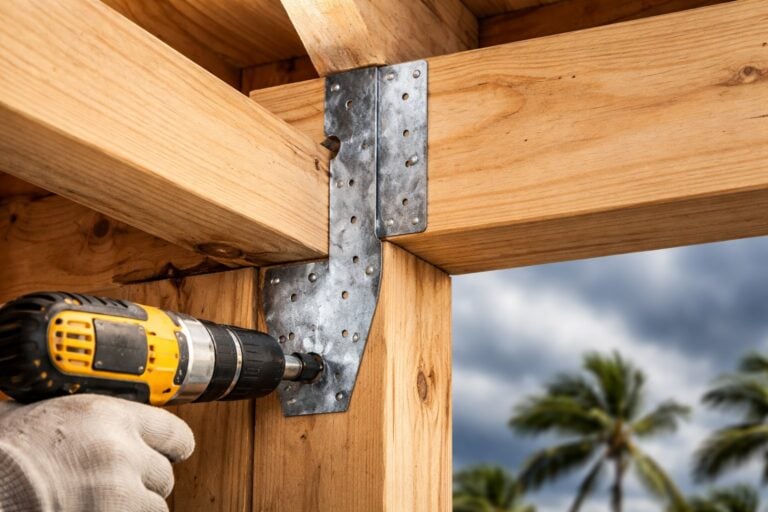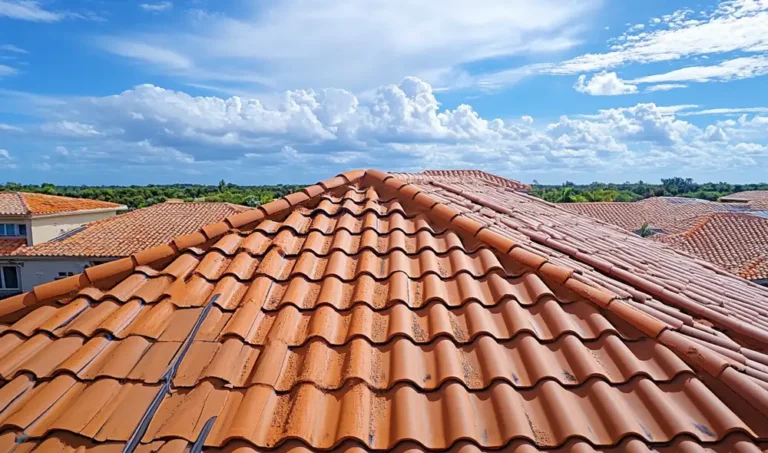
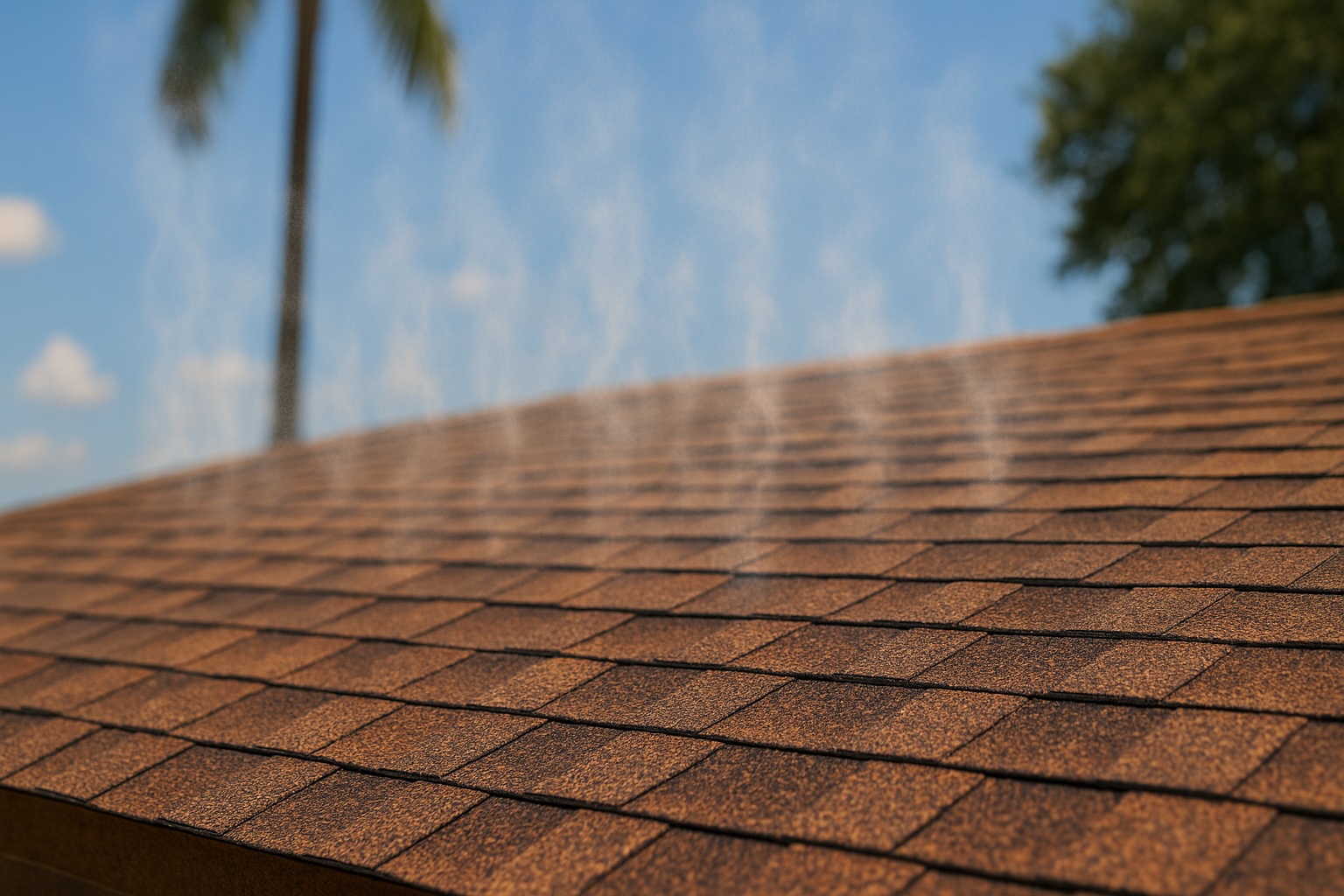
In regions like Riverview, FL, where high temperatures and humidity are prevalent, understanding how heat affects your roof is crucial. Partnering with Steadfast Roofing, a trusted local expert, can help ensure your roof withstands these challenging conditions.
Understanding Heat-Induced Roof Damage
UV Radiation and Material Degradation
Prolonged exposure to ultraviolet (UV) rays accelerates the deterioration of roofing materials. Asphalt shingles can become brittle, curl, and lose granules, while wooden components may bleach and crack. Even on overcast days, UV rays can still penetrate and cause damage, underscoring the importance of using UV-resistant materials and protective coatings.
Thermal Expansion and Contraction
Daily temperature fluctuations cause roofing materials to expand in the heat and contract when temperatures drop. This constant movement, known as thermal cycling, can lead to cracks, warping, and loosening of fasteners, compromising the roof’s structural integrity over time.
Heat Buildup and Energy Efficiency
Inadequate insulation and ventilation can lead to heat accumulation in the attic, resulting in higher indoor temperatures and increased reliance on air conditioning. This not only elevates energy bills but also accelerates the aging of roofing materials. Implementing proper ventilation systems and reflective materials can mitigate these effects.
Moisture and Humidity Challenges
Condensation and Mold Growth
High humidity levels can lead to condensation in the attic, which promotes the growth of mold and mildew. This not only damages roofing materials but also poses health risks to occupants. Ensuring adequate ventilation and using vapor barriers can help prevent moisture accumulation.
Structural Damage from Moisture
Persistent moisture can weaken wooden structures, leading to rot and compromising the roof’s stability. Regular inspections and maintenance are crucial for identifying and addressing moisture-related issues promptly.
Strategies for Protecting Your Roof from Heat Damage
Selecting Heat-Resistant Materials
Opt for roofing materials designed to withstand high temperatures, such as metal roofing, slate, or specially formulated asphalt shingles with UV inhibitors. Lighter-colored materials can also reflect more sunlight, reducing heat absorption.
Enhancing Ventilation and Insulation
Proper attic ventilation allows hot air to escape, maintaining a balanced temperature and reducing moisture buildup. Combining this with high-quality insulation minimizes heat transfer into living spaces, improving energy efficiency.
Applying Reflective Coatings
Reflective roof coatings can significantly decrease surface temperatures by reflecting sunlight away from the roof. This not only prolongs the life of roofing materials but also contributes to lower cooling costs.
Regular Maintenance and Inspections
Schedule routine inspections to detect early signs of heat damage, such as cracked or curling shingles, faded areas, or signs of moisture intrusion. Timely repairs can prevent minor issues from escalating into major problems.
Conclusion
Heat and humidity pose significant challenges to the longevity and performance of residential roofs. By understanding the risks and implementing proactive measures—such as selecting appropriate materials, ensuring proper ventilation, and conducting regular maintenance—you can protect your home effectively. For homeowners in Riverview, FL, seeking expert guidance, Steadfast Roofing offers professional services tailored to combat the effects of heat on your roof.
Take a moment to read our blog on: “Does Your Roof Need Replacement or Just Repair? A Tampa Guide”.