Florida hurricanes expose the weakest parts of a roof system fast. At Steadfast Roofing, we help homeowners in Ruskin, Florida understand which roof types are most likely to fail during hurricanes and what can be done before storm season to reduce the risk of serious damage.
Hurricane roof failure is usually caused by a combination of weak materials, poor fastening, aging underlayment, loose edges, bad drainage, and missing wind mitigation features. According to NOAA’s Saffir-Simpson Hurricane Wind Scale, even lower-category hurricanes can damage roof coverings, while stronger storms can cause major structural roof damage.
Why Roofs Fail During Hurricanes
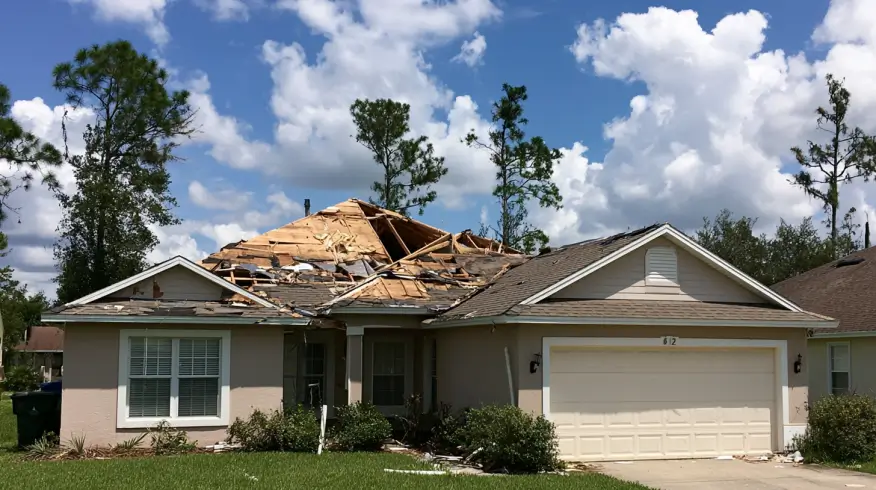
A hurricane does not only push wind across the roof. It creates uplift pressure that pulls on shingles, tiles, panels, roof edges, and decking. The most vulnerable areas are usually eaves, rakes, ridges, corners, valleys, soffits, and roof penetrations.
Once wind gets under the roof covering, damage can spread quickly. Lifted shingles can expose underlayment. Torn underlayment can expose decking. Wet decking can weaken the roof structure and lead to interior leaks.
A hurricane-resistant roof depends on the full system, including:
- Roof covering
- Fastening
- Underlayment
- Deck attachment
- Flashing
- Edge metal
- Soffits and fascia
- Roof-to-wall connections
1. Aging 3-Tab Shingle Roofs
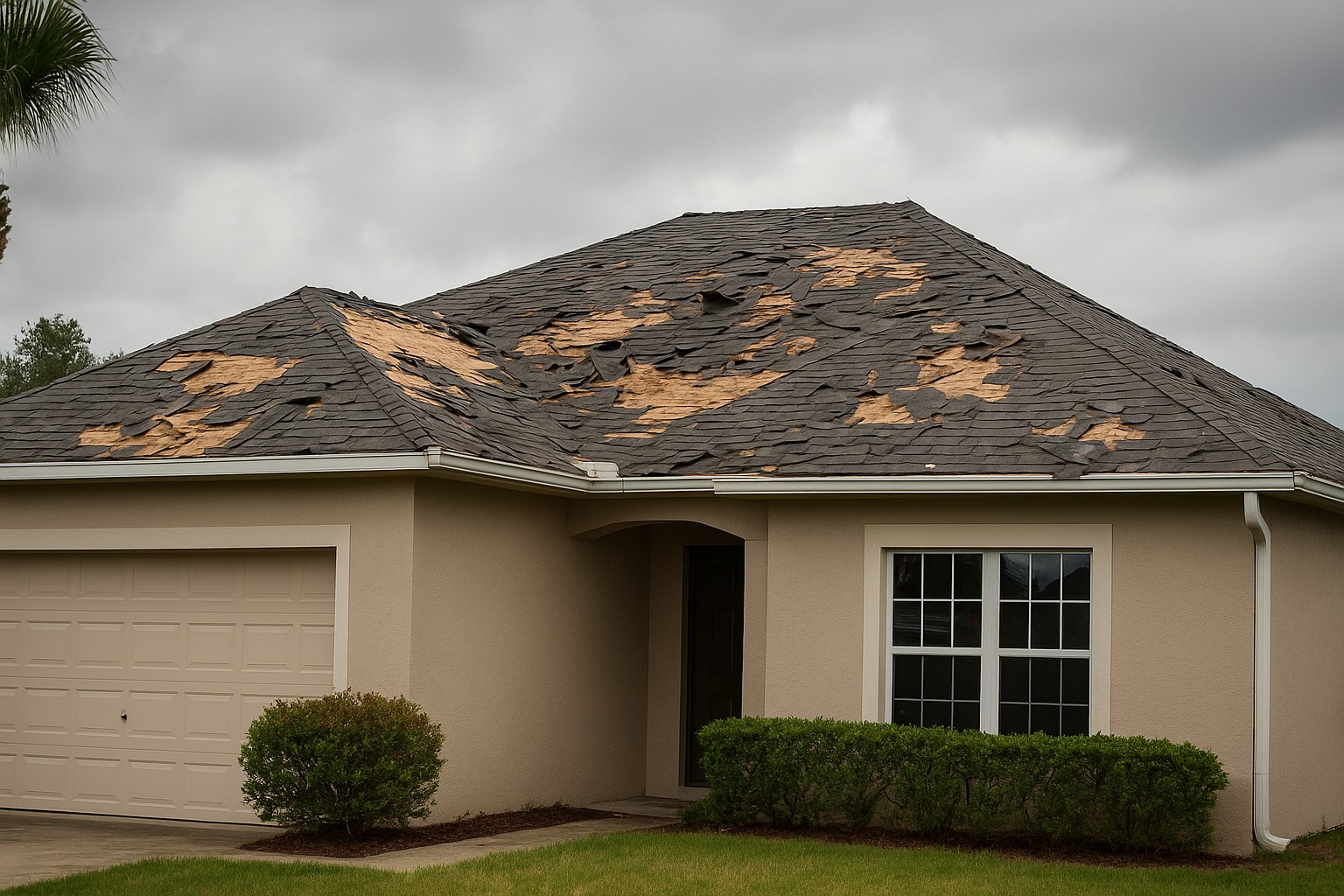
Older 3-tab asphalt shingles are one of the most common roof types to fail during hurricanes. They are thinner and lighter than architectural shingles, and their seal strips often weaken after years of Florida heat, humidity, and UV exposure.
Common storm damage includes lifted tabs, missing shingles, creased shingles, exposed nails, and leaks around valleys or penetrations. If the shingles are brittle, curled, or losing granules, they may not hold up well in high winds.
How to avoid failure
Before hurricane season, have the roof inspected for loose shingles, weak seals, nail pops, exposed fasteners, and damaged flashing. If the roof is near the end of its life, replacement with properly fastened architectural shingles may be a stronger option than repeated repairs.
2. Poorly Installed Architectural Shingle Roofs
Architectural shingles can perform well in hurricane-prone areas, but only when installed correctly. Poor nail placement, overdriven nails, missing starter strips, weak ridge caps, and bad flashing can cause a stronger shingle roof to fail early.
Fastening is critical. Nails must be placed in the correct nailing zone. If nails are too high, angled, or driven too deep, the shingles lose much of their wind resistance.
How to avoid failure
A professional inspection should check the fastening pattern, starter strip, ridge caps, roof edges, valleys, flashing, and penetrations. If damage is isolated, roof repair in Ruskin may be enough. If problems are widespread, replacement may be safer.
3. Flat and Low-Slope Roofs
Flat and low-slope roofs are vulnerable because they drain water more slowly. During hurricanes, heavy rain can overwhelm drains, scuppers, and gutters. Standing water adds weight and increases the chance of membrane damage.
Wind can also lift loose seams, edge metal, flashing, or poorly adhered membrane sections. Most failures begin at the roof perimeter, seams, penetrations, drains, or transitions to sloped roof areas.
How to avoid failure
Inspect for ponding water, open seams, soft spots, clogged drains, loose flashing, punctures, and damaged edge metal. A low-slope roof should have strong perimeter attachment, clear drainage, sealed penetrations, and a membrane system designed for Florida wind and rain.
4. Loose or Poorly Fastened Tile Roofs
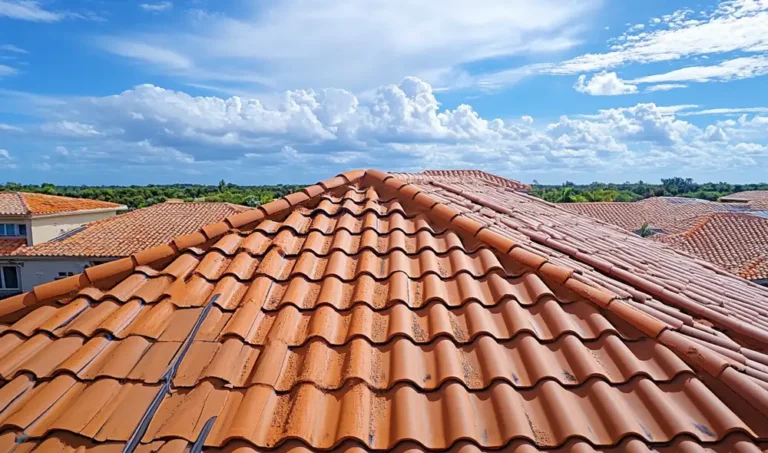
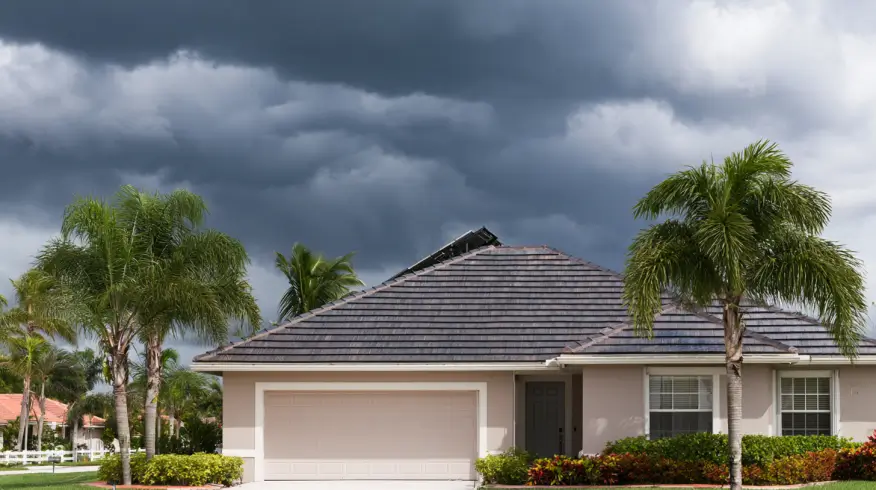
Clay and concrete tile roofs can last a long time, but they can become dangerous during hurricanes if tiles are loose, cracked, or poorly attached. Loose tiles can become airborne debris, and damaged tiles can expose the underlayment beneath.
The underlayment is especially important because tile is not the primary waterproofing layer. If the underlayment is old, brittle, or torn, wind-driven rain can enter even when many tiles still look intact.
How to avoid failure
Tile roofs should be checked for cracked tiles, slipped tiles, loose ridge pieces, exposed underlayment, failing flashing, and debris in valleys. Mechanically fastened tile systems and properly installed underlayment improve storm performance.
5. Exposed-Fastener Metal Roofs
Metal roofing can be strong, but exposed-fastener metal roofs are more vulnerable when screws loosen, washers deteriorate, panels flex, or edge details are weak. In hurricane winds, panels may lift at seams, ridges, rakes, and eaves.
Standing seam metal roofs with concealed fasteners often provide better hurricane performance when installed correctly, but even they depend on proper clips, panel gauge, underlayment, and edge securement.
How to avoid failure
Inspect for loose screws, rust, deteriorated washers, lifted seams, damaged flashing, and loose ridge caps. Metal roofs near coastal areas should also be checked for corrosion and coating failure.
6. Roofs With Weak Deck Attachment
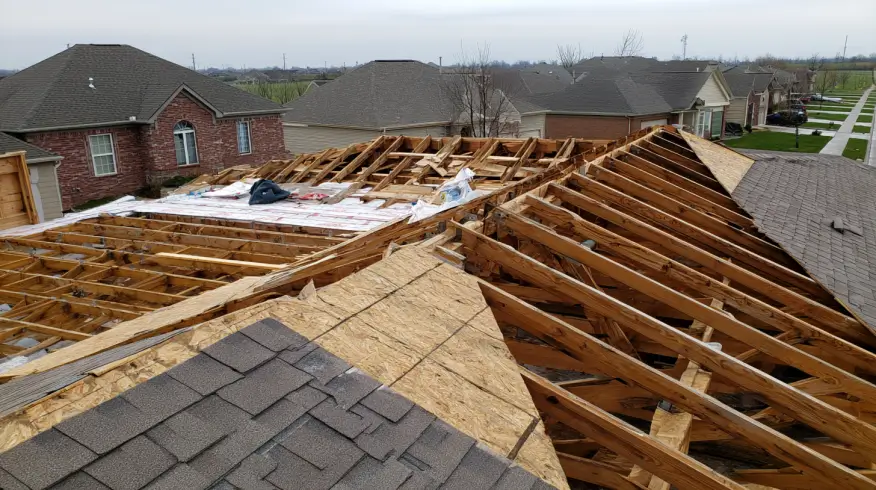
The roof deck is one of the most important parts of hurricane resistance. If the decking is poorly fastened, deteriorated, or weakened by old leaks, the roof may fail even if the surface material looks acceptable.
Older homes may have outdated nail spacing, staples, weak sheathing, or damaged plywood. During major wind uplift, deck panels can separate from the roof frame.
How to avoid failure
During roof replacement in Ruskin, the decking should be inspected and damaged sections replaced. Improved deck fastening and sealed roof deck options can reduce the chance of water intrusion if the roof covering is damaged.
The Florida Building Code roof assembly provisions include requirements for roof coverings, underlayment, and roof assemblies in high-wind areas.
7. Roofs With Old Underlayment
Underlayment is the backup protection beneath shingles, tile, or metal. In a hurricane, it may become the last barrier between your home and water intrusion.
Old felt underlayment can dry out, tear, wrinkle, or fail at laps. This is especially common on aging tile roofs, where the surface may still look good while the underlayment is already worn out.
How to avoid failure
Ask about synthetic underlayment, self-adhered membranes, sealed roof deck options, and proper valley protection during replacement. A stronger underlayment system can greatly reduce leak risk during wind-driven rain.
8. Roofs Without Wind Mitigation Features
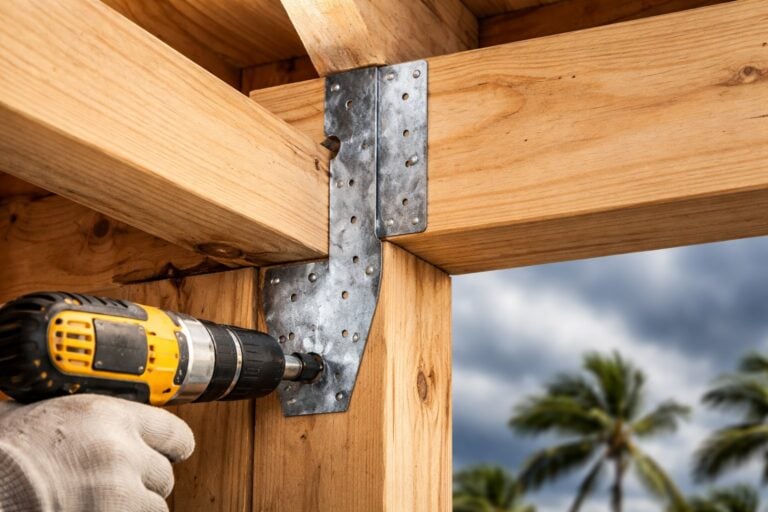
Wind mitigation helps the roof stay attached and limits storm damage. Important roof-related features include strong deck attachment, secondary water barriers, hurricane clips or straps, secure soffits, strong edge metal, and proper flashing.
Homes without these features may be more vulnerable even if the roof covering is newer.
How to avoid failure
Steadfast Roofing in Ruskin, Florida can inspect roof-related wind vulnerabilities before hurricane season and recommend repairs or upgrades. This may include fixing loose edges, improving flashing, replacing weak materials, or identifying signs of poor deck attachment.
Schedule a Hurricane-Season Roof Inspection
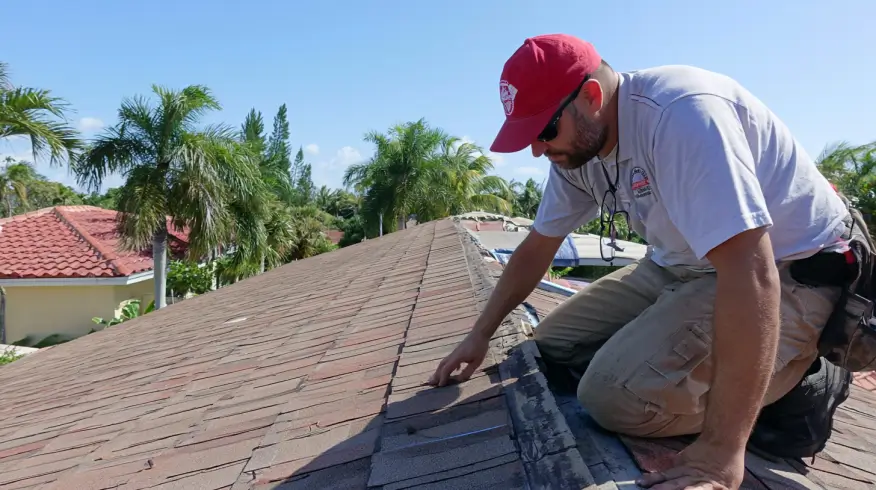
The best time to inspect your roof is before a storm is in the forecast. Once hurricane activity increases, roofers get busier, materials become harder to schedule, and urgent repairs may not be possible in time.
A hurricane-season inspection should check:
- Missing or loose shingles, tiles, or panels
- Damaged flashing
- Soft decking
- Exposed nails or fasteners
- Weak roof edges
- Cracked pipe boots
- Loose soffits or fascia
- Clogged valleys or drainage areas
- Signs of attic leaks
- Previous storm damage
If your roof has active leaks, missing materials, or visible storm damage, our storm damage roofing services can help identify the next step.
Conclusion
The roofs most likely to fail during hurricanes are aging 3-tab shingle roofs, poorly installed shingle roofs, flat and low-slope roofs with drainage problems, loose tile roofs, exposed-fastener metal roofs, roofs with weak decking, and roofs with old underlayment or missing wind mitigation details.
A hurricane-ready roof is not just about choosing the strongest material. It depends on correct fastening, secure underlayment, solid decking, strong edges, proper flashing, and regular inspections. Before hurricane season, homeowners in Ruskin and nearby Florida areas should schedule a professional roof inspection to find weak points before wind and rain turn them into expensive damage.
FAQ
What type of roof is most likely to fail during a hurricane?
Older 3-tab shingle roofs, poorly fastened tile roofs, flat roofs with drainage problems, and exposed-fastener metal roofs are among the most vulnerable. Roofs with weak underlayment, loose edges, or poor deck attachment are also at higher risk.
Are tile roofs good for hurricanes?
Tile roofs can perform well if the tiles are properly fastened and the underlayment is in good condition. However, loose or cracked tiles can become dangerous debris, and old underlayment can allow leaks during wind-driven rain.
How can I prepare my roof before hurricane season?
Schedule a professional inspection, repair loose materials, clear drainage areas, check flashing and roof edges, inspect soffits and fascia, and address any signs of leaks or weak decking before storm activity increases.