Steadfast Roofing helps Tampa, FL homeowners understand one of the most overlooked parts of a healthy roofing system: roof ventilation. In a humid climate, your roof does more than block rain and sun. It also has to manage trapped attic heat, moisture vapor, airflow, insulation performance, and the long-term condition of shingles, decking, underlayment, fasteners, and interior ceilings.
Roof ventilation matters because Florida homes are exposed to long cooling seasons, heavy humidity, intense UV, afternoon storms, and warm attic conditions that can strain the entire roof assembly. When ventilation is balanced correctly, fresh air enters low through intake vents and warm, humid air exits high through exhaust vents. When ventilation is blocked, undersized, or poorly designed, the attic can hold excessive heat and moisture, increasing the risk of mold, insulation damage, roof deck deterioration, higher cooling costs, and shortened roof lifespan.
What Roof Ventilation Actually Does
Roof ventilation is the controlled movement of air through the attic or roof cavity. A properly ventilated attic uses two sides of airflow:
- Intake ventilation, usually through soffit vents or low roof intake vents
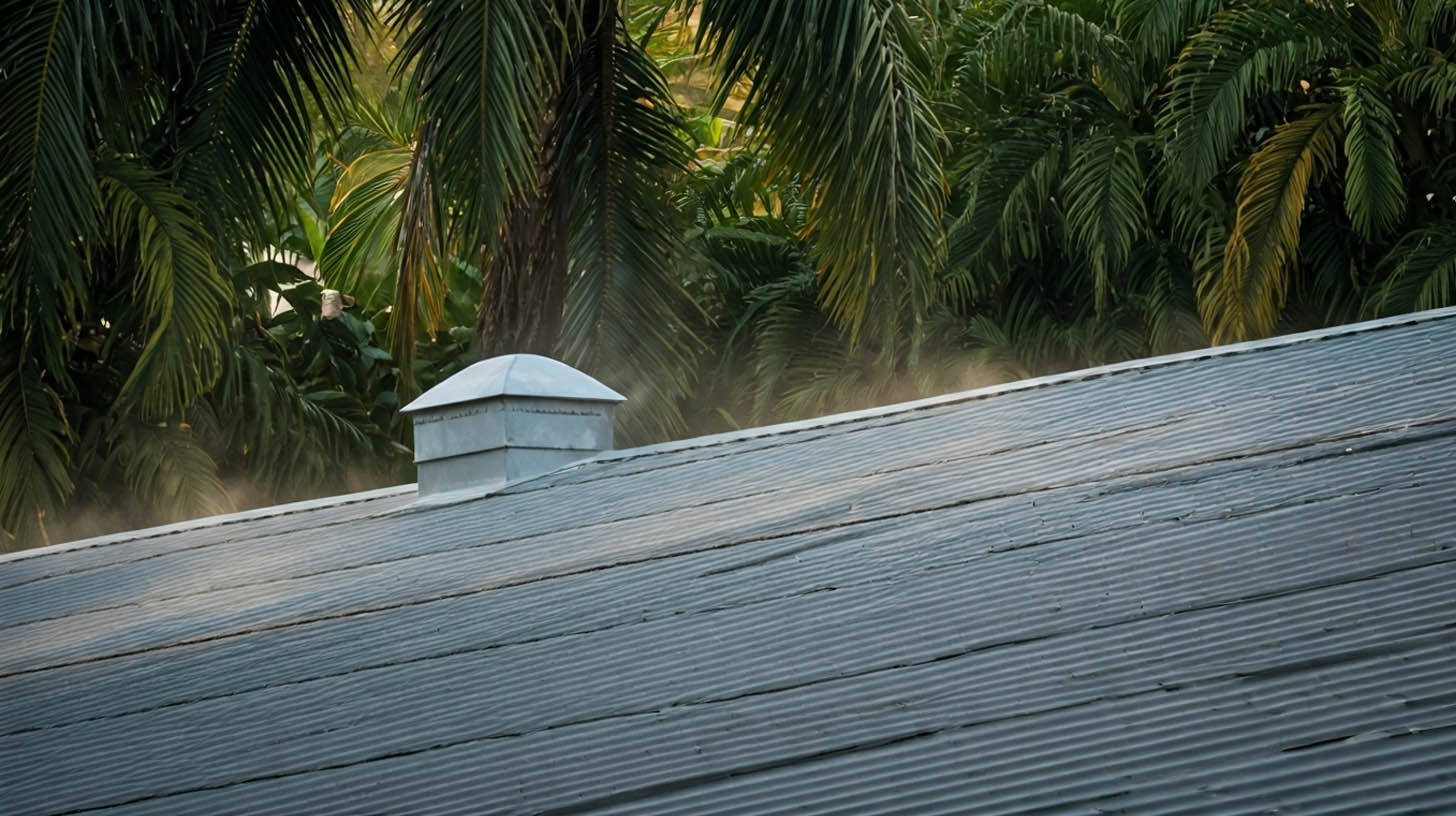
- Exhaust ventilation, usually through ridge vents, off-ridge vents, box vents, turbine vents, or powered attic ventilators
The goal is balance. Intake vents allow outdoor air to enter near the eaves. Exhaust vents allow hot, moisture-heavy attic air to leave near the roof peak. This steady air exchange helps regulate attic temperature and humidity before they damage the materials above your living space.
According to ENERGY STAR’s attic ventilation guidance, attic fans and vents depend on clear airflow from soffit and other intake vents; blocked intake can cause performance problems and may even pull conditioned air from the home. That is why ventilation should never be treated as simply “adding more vents.” It should be evaluated as a complete system.
Why Humidity Makes Ventilation More Important in Tampa
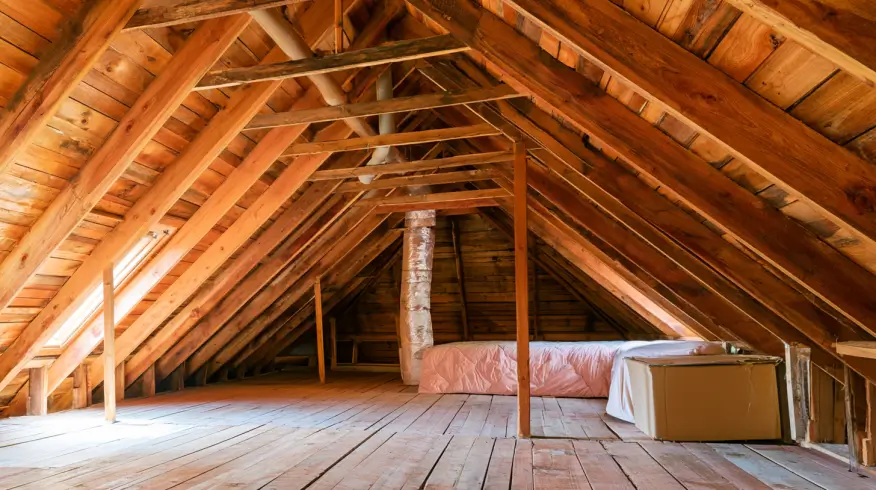
Tampa’s humid climate creates a year-round moisture load. Warm indoor air can move into the attic through ceiling gaps, recessed lights, attic hatches, plumbing penetrations, duct chases, and poorly sealed areas. Once that moist air reaches the attic, it can collect on cooler surfaces or remain trapped in insulation and wood components.
In Florida, the issue is not usually ice dams like in northern climates. The bigger concerns are heat retention, trapped moisture, microbial growth, softened decking, rusted fasteners, and insulation that no longer performs as intended. Humidity also magnifies small roofing defects. A minor roof leak, bath fan exhausting into the attic, or blocked soffit vent can become a larger moisture problem when the attic cannot dry properly.
Good ventilation supports the roof’s ability to dry after storms, reduce attic heat buildup, and maintain more stable conditions beneath the roof deck.
Attic Heat and Roof Lifespan
Attic heat is one of the strongest reasons Florida homes need proper ventilation. On hot days, roofing materials absorb solar radiation, and the attic can become significantly hotter than the living space below. When hot air is trapped, it affects multiple parts of the home.
Excessive attic heat can:
- Accelerate aging of asphalt shingles
- Dry out roofing materials faster
- Increase thermal stress on roof decking
- Make upstairs rooms harder to cool
- Push HVAC systems to run longer
- Reduce comfort in rooms below the attic
- Contribute to higher cooling costs
Ventilation does not replace insulation, radiant barriers, efficient roofing materials, or air sealing. However, it supports all of them. A roof built with strong shingles but poor attic airflow may still experience premature wear because the system cannot release heat efficiently.
For more detail on how insulation and roofing performance work together, read our guide on how attic insulation and your roof work together in Florida’s climate.
Moisture Control: The Hidden Function of Roof Ventilation
Many homeowners think roof ventilation is mainly about temperature. In humid climates, moisture control is just as important.
Moisture can enter the attic from several sources:
- Outdoor humidity
- Small roof leaks
- Bathroom fans venting into the attic
- Kitchen or laundry exhaust routed incorrectly
- Air leaks from the conditioned living space
- Wet insulation from previous leaks
- Condensation around ducts or metal components
When moisture cannot escape, it may damage wood decking, rafters, trusses, insulation, and ceiling materials. It may also support mold or mildew growth. Even if the roof looks fine from the street, the attic can reveal dark staining, musty odors, damp insulation, rusted nails, or sheathing damage.
During a professional roof inspection, we look beyond visible shingles. We evaluate whether the roof system has signs of trapped heat, poor airflow, moisture staining, blocked intake, inadequate exhaust, or insulation problems that may be contributing to premature roof wear.
Soffit Vents: The Intake Your Roof Needs
Soffit vents are installed under the roof eaves. Their purpose is to bring fresh air into the attic at the lowest practical point of the roof system. Without working soffit ventilation, exhaust vents cannot perform correctly because the attic does not have enough replacement air.
Common soffit vent problems include:
- Vents blocked by blown-in insulation
- Painted-over vent openings
- Debris buildup
- Pest nests
- Missing baffles
- Damaged soffit panels
- Poor original design with too little intake area
Blocked soffit vents are especially common after insulation upgrades. If insulation is installed without baffles or proper clearance, it can cover the soffit openings and stop airflow. The attic may still have ridge vents, but the system becomes unbalanced because air cannot enter properly.
That is why ventilation and insulation should be evaluated together, not separately.
Ridge Vents: High-Point Exhaust for Balanced Airflow
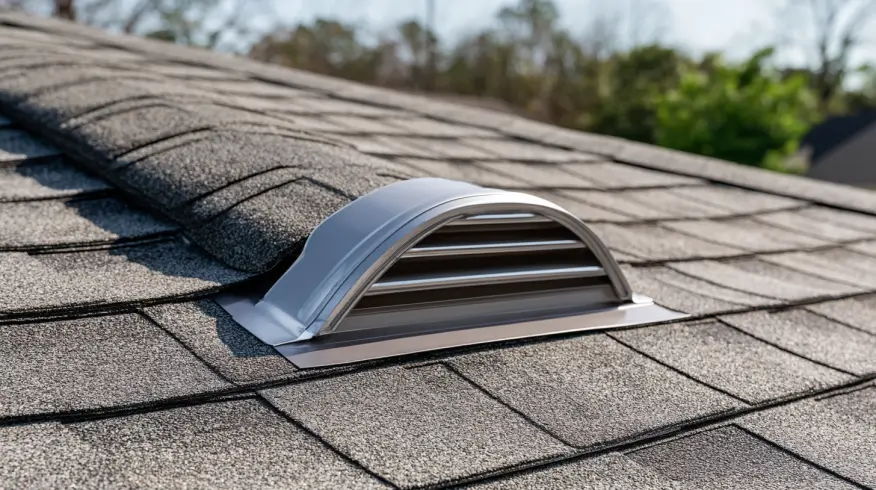
Ridge vents are installed along the peak of the roof. When paired with adequate soffit intake, they create one of the most effective passive ventilation systems for many sloped roofs. Warm air naturally rises and exits through the ridge, while cooler replacement air enters through the soffits.
A good ridge vent system should be continuous where appropriate, properly cut into the roof deck, protected from wind-driven rain, and matched with enough intake ventilation. A poor ridge vent installation can create problems if the slot is cut incorrectly, the vent is incompatible with the roof design, or intake ventilation is missing.
Ridge vents are not automatically the best option for every roof. Roof shape, attic layout, hip roof design, existing vent placement, and the amount of available soffit intake all affect the right ventilation plan.
Passive vs. Active Roof Ventilation
Roof ventilation systems are generally passive or active.
Passive ventilation uses natural airflow, pressure differences, and warm air rising. Examples include soffit vents, ridge vents, box vents, gable vents, and turbine vents. Passive systems are common because they do not require electricity and can be highly reliable when designed correctly.
Active ventilation uses powered fans to move air out of the attic. These systems can help in certain situations, but they must be installed carefully. If the attic is not properly air-sealed from the living space, a powered attic fan may pull cooled indoor air into the attic, forcing the HVAC system to work harder.
The best solution depends on the home. In many Tampa homes, improving intake, balancing ridge or roof exhaust, clearing blocked soffits, and correcting attic air leaks can deliver better results than simply adding a powered fan.
Signs Your Roof May Have Poor Ventilation
Ventilation issues often develop quietly. Homeowners may notice comfort problems before they notice roof damage.
Warning signs include:
- Hot upstairs rooms even when the AC is running
- Musty attic odors
- Mold or mildew smell near ceilings or closets
- Dark staining on roof decking
- Rust on roofing nails visible in the attic
- Damp or compressed attic insulation
- Peeling paint near ceilings or exterior overhangs
- High cooling bills without a clear cause
- Shingles aging faster than expected
- Frequent roof leaks near vents, valleys, or penetrations
- Visible soffit damage or clogged soffit vents
A roof does not need to be old to have ventilation problems. Newer roofs can perform poorly if the ventilation layout was not designed correctly, if old vents were reused improperly, or if intake was ignored during installation.
Ventilation, Insulation, and Air Sealing Work Together
Ventilation cannot solve every attic problem by itself. A complete approach includes airflow, insulation, and air sealing.
The U.S. Department of Energy explains that insulation resists heat flow and can reduce heating and cooling costs when installed properly. In Florida homes, attic insulation helps slow heat transfer from the attic into the living space. However, insulation performs best when it stays dry and is not blocking ventilation paths.
Air sealing is equally important. Gaps between the living area and attic can allow conditioned air and moisture vapor to escape upward. That air movement can increase humidity in the attic and reduce HVAC efficiency. Proper ventilation helps remove attic air, but sealing ceiling penetrations helps reduce how much indoor moisture reaches the attic in the first place.
For homeowners, the practical takeaway is simple: do not evaluate roof ventilation, attic insulation, and air leaks as separate issues. They affect each other.
How Roof Ventilation Affects Different Roofing Materials
Ventilation matters for asphalt shingles, tile roofs, metal roofing, and flat or low-slope roof assemblies, although the details vary by system.
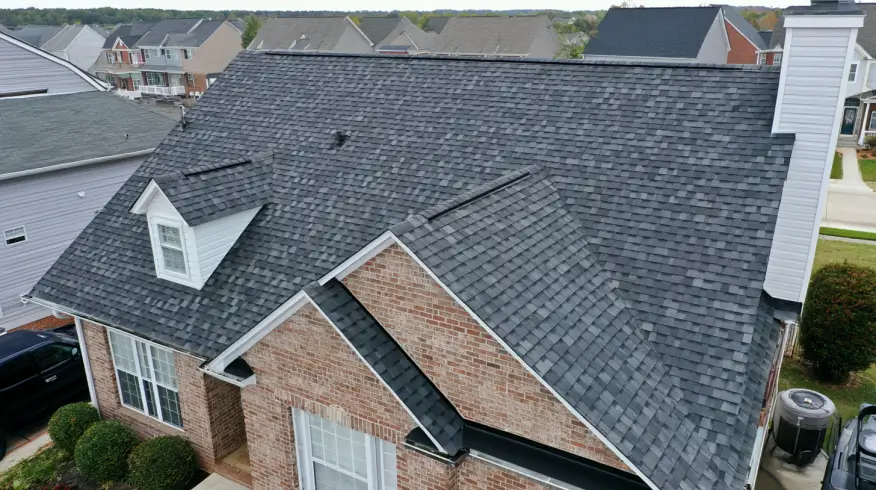
For asphalt shingle roofs, attic ventilation helps reduce heat buildup beneath the roof deck. This can support shingle performance and may help prevent premature aging.
For tile roofing, ventilation and moisture control help protect the underlayment and roof deck beneath the tiles. Since tile systems can last a long time, the hidden components below the surface need proper protection.
For metal roofing, ventilation can support energy performance and help manage attic heat, especially when the roof assembly includes attic space below.
For commercial and low-slope roofing, ventilation may involve different design considerations, including insulation placement, deck type, membrane system, moisture barriers, and drainage. These systems should be evaluated by a roofing professional because the wrong ventilation approach can create condensation or moisture-trapping issues.
What We Check During a Roof Ventilation Inspection
A proper inspection should look at both exterior roof components and attic conditions. At Steadfast Roofing, we assess ventilation as part of the larger roofing system rather than treating vents as isolated accessories.
A ventilation-focused roof inspection may include:
- Condition and placement of soffit vents
- Signs of blocked intake ventilation
- Ridge vent type and installation quality
- Box vent, turbine vent, or powered fan placement
- Whether exhaust vents are mixed in a way that disrupts airflow
- Moisture stains on roof decking
- Rusted nails or fasteners
- Mold-like growth or musty odor
- Insulation depth and whether it blocks airflow
- Attic baffles or missing airflow channels
- Bathroom or dryer vents improperly exhausting into the attic
- Evidence of roof leaks near penetrations
- Roof age and material condition
To understand what a complete inspection should include, review our guide on what to expect from a roof inspection in Tampa, FL.
Common Roof Ventilation Mistakes
The most common ventilation mistake is assuming more exhaust is always better. Adding extra roof vents without improving intake can make airflow worse. In some cases, mixed exhaust types can short-circuit the system, causing air to enter through one exhaust vent and leave through another instead of drawing from the soffits.
Other common mistakes include:
- Installing ridge vents without enough soffit intake
- Blocking soffit vents with insulation
- Using powered fans without attic air sealing
- Leaving bathroom fans vented into the attic
- Installing vents that do not match the roof design
- Re-roofing without reassessing ventilation
- Covering old vent openings incorrectly
- Ignoring attic moisture during roof replacement planning
A ventilation correction should be based on the home’s roof shape, attic volume, vent locations, insulation condition, and signs of heat or moisture stress.
When Ventilation Problems Require Roof Repair or Replacement
Not every ventilation problem requires a new roof. If the roofing materials are in good condition, the solution may involve clearing soffits, adding intake, installing baffles, improving ridge ventilation, replacing damaged vents, correcting attic exhaust routing, or sealing attic air leaks.
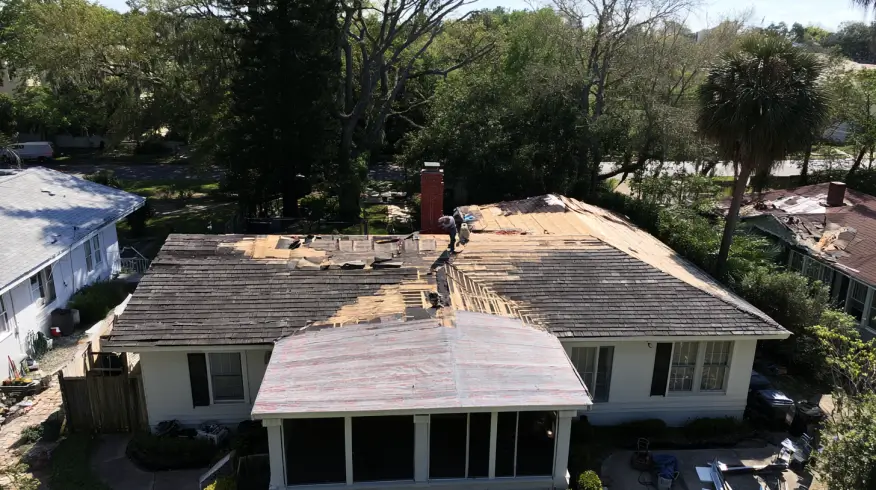
However, roof repair or replacement may be necessary when poor ventilation has contributed to structural or material damage. This can include deteriorated decking, widespread shingle failure, chronic leaks, damaged underlayment, or moisture-compromised roof sheathing.
During roof replacement, ventilation should be designed into the project from the beginning. This is the best time to correct old venting mistakes, improve airflow, and protect the new roofing system for the long term.
Protect Your Roof Before Heat and Humidity Cause Damage
Roof ventilation is not just a comfort upgrade. It is a roof protection strategy. In Tampa’s humid climate, balanced airflow helps reduce trapped attic heat, control moisture, protect insulation, support energy efficiency, and extend the useful life of roofing materials.
If your attic feels excessively hot, your roof is aging too quickly, your cooling bills are rising, or you see signs of moisture in the attic, schedule a professional inspection. Steadfast Roofing can evaluate your roof ventilation, attic conditions, and roofing system to determine whether you need maintenance, ventilation improvements, roof repair, or a more complete roofing solution.
Conclusion
Roof ventilation matters in a humid climate because heat and moisture are constant forces working against your home. A balanced system with proper soffit intake, effective ridge or roof exhaust, clear airflow paths, dry insulation, and sealed attic penetrations can help protect your roof from premature wear and hidden moisture damage.
The strongest roofing systems are not built from shingles alone. They depend on ventilation, insulation, flashing, underlayment, decking, drainage, and installation quality working together. When those elements are inspected and maintained properly, your home stays more comfortable, your roof lasts longer, and you reduce the risk of expensive problems developing unnoticed in the attic.
FAQ
How do I know if my roof has enough ventilation?
The most reliable way to know is through a roof and attic inspection. A professional should check soffit intake, ridge or roof exhaust, insulation placement, attic moisture, heat buildup, and signs of blocked airflow. Homeowners may suspect poor ventilation if upstairs rooms stay hot, the attic smells musty, shingles appear to age early, or the attic has dark stains, rusted nails, or damp insulation.
Are soffit vents and ridge vents better than attic fans?
Soffit vents and ridge vents often create an effective passive system when they are properly balanced. Fresh air enters through the soffits, and hot attic air exits through the ridge. Attic fans can help in specific situations, but they may create problems if the attic lacks intake ventilation or is not sealed from the living space. The best option depends on roof design, attic layout, insulation, and existing vent placement.
Can poor roof ventilation shorten the life of shingles?
Yes. Poor ventilation can trap heat beneath the roof deck, increasing thermal stress on shingles and other roofing materials. In humid climates, inadequate airflow can also allow moisture to collect in the attic, which may damage decking, insulation, and fasteners. Balanced ventilation helps the roofing system release heat and moisture more effectively, supporting longer roof performance.