In Tampa’s heat, roof color matters, but it is not the whole story. A properly built roofing system can keep a home comfortable, even with darker shingles, and the right upgrades can lower attic temps and reduce AC strain quickly. For local guidance, Steadfast Roofing helps homeowners choose options that fit Florida’s sun, codes, and real-world comfort.
The Real Answer: Yes, the Roof Surface Gets Hotter, but Your House Does Not Have To
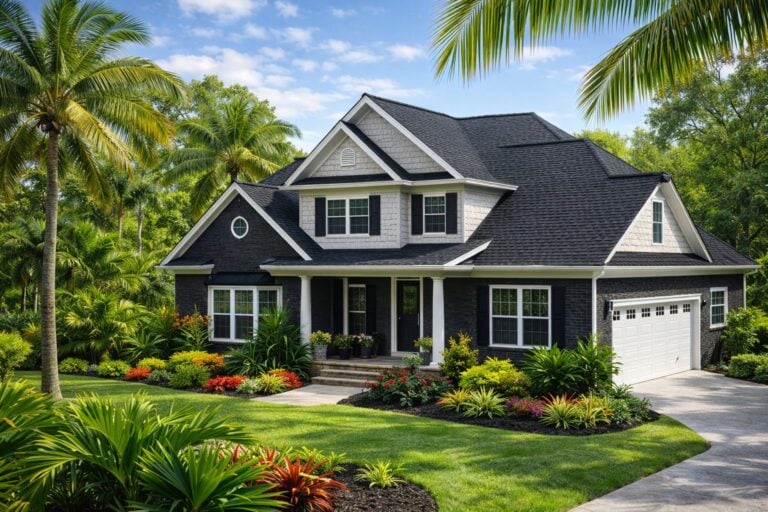
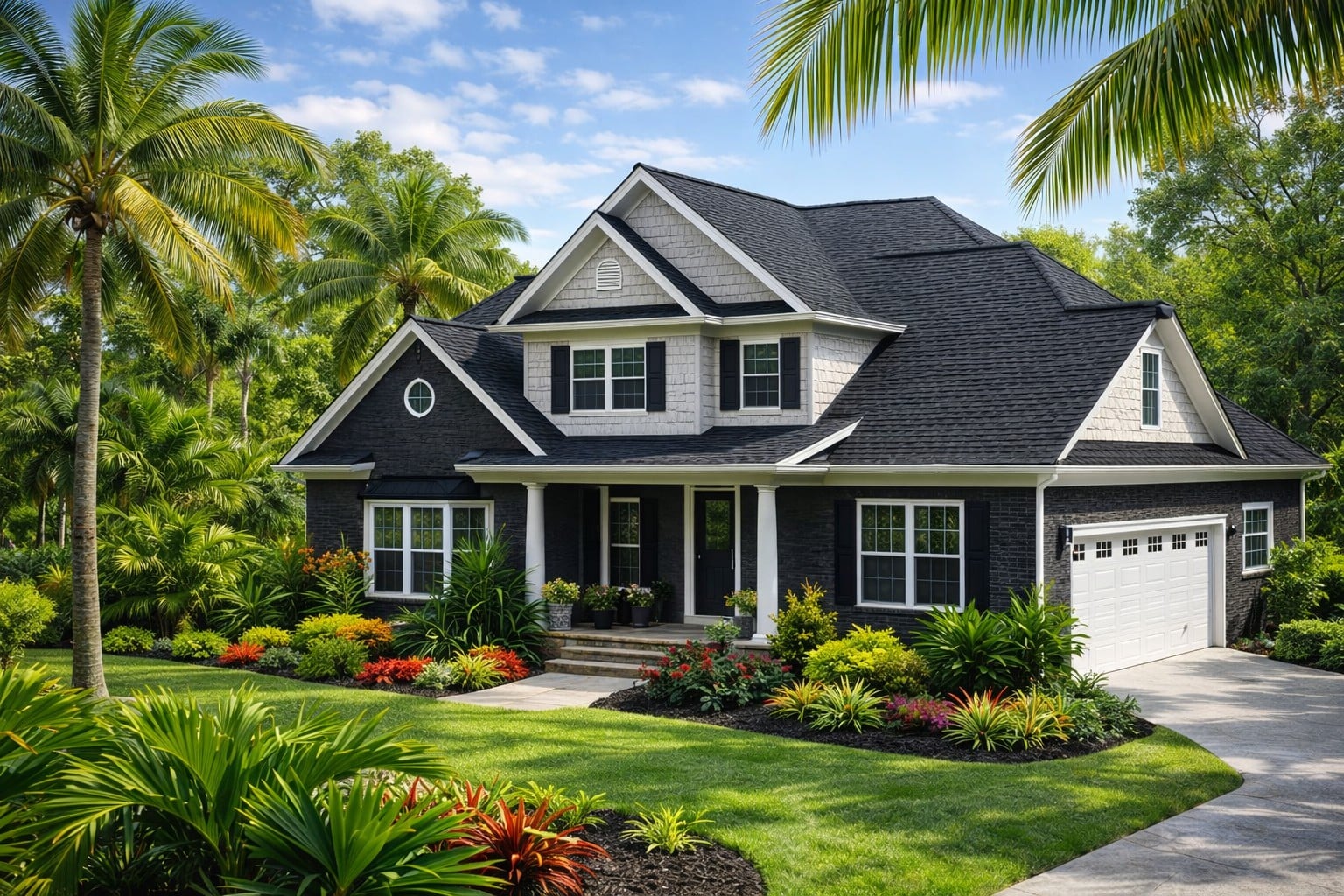
A black roof absorbs more solar energy than a lighter roof. That typically means a hotter shingle surface during peak sun hours. What most homeowners actually feel, though, is driven by how much of that heat crosses the roof deck, gets trapped in the attic, and then leaks into the living space.
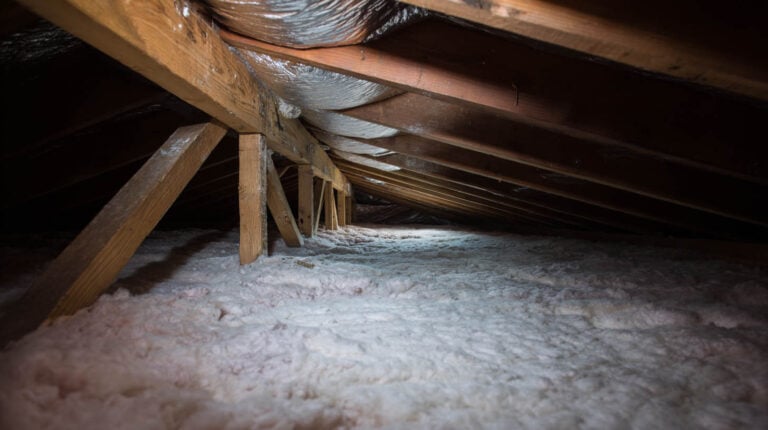
A Tampa home with strong insulation, balanced ventilation, and tight ductwork can handle a dark roof far better than a home with thin insulation, blocked soffits, and leaky ducts. Roof color is one lever. The whole assembly is the machine.
Roof Color Science That Actually Matters: Solar Reflectance and Thermal Emittance
Two properties control how hot a roof runs in the sun:
- Solar reflectance (SR): how much sunlight the roof reflects away
- Thermal emittance (TE): how efficiently the roof sheds heat as infrared radiation
This is the backbone of “cool roof” performance. (heatisland.lbl.gov)
In plain English: a roof can look dark and still be engineered to reflect a meaningful chunk of the sun’s energy, especially in the near-infrared range where a lot of solar heat rides in. The U.S. Department of Energy notes that white roofs can reflect roughly 60–90% of sunlight, while “cool-colored” darker products can reflect roughly 30–60%, which helps them run cooler than conventional dark materials. (The Department of Energy’s Energy.gov)
Why Tampa Homes Feel the Difference More Than Many Cities
Tampa brings a specific combo:
- Long cooling season
- High humidity
- Strong sun angle for much of the year
- Attics that can turn into heat reservoirs
So when attic heat climbs, it can push your AC harder and longer. Roof color can nudge that upward, but the bigger driver is how well the roof system is built to reject heat, move heat out, and block heat from entering.
The “Black Roof Myth” Comes From Confusing Three Temperatures
People mash these together, but they are different:
- Roof surface temperature (shingle skin, hottest in direct sun)
- Attic air temperature (what builds up under the deck)
- Indoor living temperature (what you actually live in)
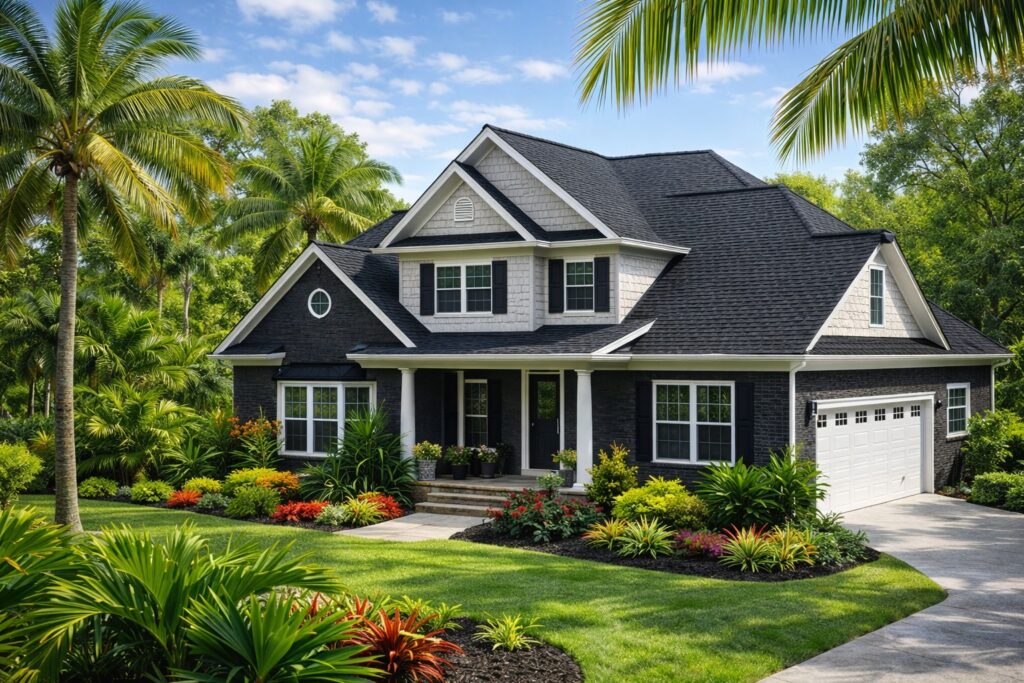
A black roof can spike surface temps. That does not automatically mean your living room turns into a sauna. The transfer path is controlled by ventilation, insulation, and air sealing.
The Biggest Heat Control Wins Have Nothing to Do With Shingle Color
If the goal is a cooler house in Tampa, these usually move the needle more than swapping black to light gray.
Balanced attic ventilation (intake + exhaust)
Ridge vents, off-ridge vents, or other exhaust strategies only work when soffit intake is clear and sized correctly. Ventilation is about airflow, not just “having vents.”
Insulation depth and coverage
Even small gaps and thin spots can let attic heat punch through into ceilings. In Florida, consistent coverage is everything.
Air sealing and duct integrity
Leaky ducts in a hot attic are brutal: the air you just paid to cool gets dumped into the attic, and hot attic air can get pulled into the system. Fixing duct leakage can feel like upgrading your entire AC without replacing it.
Radiant barrier strategy (when appropriate)
Radiant barriers can help reduce radiative heat transfer from the underside of a hot roof into the attic space. Results vary based on installation quality and attic configuration, but in high-sun climates, they can be a strong supporting player.
“Cool Roof” Options That Let You Keep a Dark Look Without Paying the Heat Penalty
If the aesthetic is black shingles, there are smarter ways to get there.
Cool-colored asphalt shingles (IR-reflective granules)
Some shingles are built to reflect more of the sun’s near-infrared energy while still looking dark to the eye. DOE specifically calls out this concept for boosting the solar reflectance of darker materials. (The Department of Energy’s Energy.gov)
Reflective underlayments and assembly choices
Underlayment selection does not “beat the sun” on its own, but it can enhance performance and durability when paired with proper ventilation and a properly detailed deck.
Material changes when it makes sense
In some cases, switching roof material (not just color) changes the game. The goal is not “metal is always cooler” or “tile is always cooler.” It is choosing assemblies that manage solar load, airflow, and moisture correctly for your home.
What the Numbers Say: How Much Can Reflective Roofing Help?
Cool roofs are widely associated with lower roof surface temperatures and reduced cooling demand. The U.S. EPA summarizes research showing that, in air-conditioned residential buildings, cool roof solar reflectance can reduce peak cooling demand by about 11–27%. (US EPA)
That is peak demand, not “your bill drops exactly 27%,” but it is a real signal that reflectivity can matter when paired with the rest of the system.
Separately, field research in Florida has examined the cooling energy impacts of reflective roof systems. (ScienceDirect) The takeaway for Tampa homeowners is simple: reflectivity can help, but it performs best when the attic and duct system are not sabotaging you.
When a Black Roof Is a Totally Fine Choice in Tampa
A black roof can be a solid choice when:
- The attic is properly ventilated, and the intake is not blocked
- Insulation is deep, even, and continuous
- Ductwork is sealed and insulated, or located in a conditioned space
- The shingle product is selected with performance in mind, not just color
- Tree cover, roof pitch, and orientation reduce all-day direct sun exposure
If those are dialed in, the difference between a dark and light roof may be smaller than people expect in the living space, even if the roof surface is obviously hotter in the sun.
When Roof Color Can Be the Tiebreaker
Roof color matters more when:
- Insulation is thin or inconsistent
- The attic is under-ventilated or misbalanced
- HVAC ducts run through the attic and leak
- The home has a high AC runtime already
- The roof gets full, unobstructed sun most of the day
In these cases, going lighter or choosing cool-colored dark shingles can reduce stress on the system and improve comfort upstairs.
Practical Tampa Checklist Before Choosing Black Shingles
- Confirm soffit intake is continuous and not painted shut or blocked
- Verify the exhaust strategy is consistent and not “random vents everywhere”
- Check insulation depth and missing areas around recessed lights and chases
- Seal duct joints and verify return-side leaks
- Consider cool-colored shingle options if you want a dark look
- Match the roof system to Florida’s moisture reality, not just temperature
CONCLUSION
A black roof in Tampa can run hotter at the surface, but indoor comfort depends far more on ventilation balance, insulation quality, and duct sealing than on color alone. For homeowners who love the look of black shingles, cool-colored products, and a properly engineered roof assembly can deliver the style without turning the home into a heat trap.
Read our blog: “Is a New Roof a Capital Improvement in Florida? Tampa Bay Tax Guide”.