Florida storms can turn a small roof weakness into active interior damage within minutes. At Steadfast Roofing in Tampa, FL, we treat emergency roofing services as immediate protection for the structure, contents, and safety of a property—not simply a faster version of routine roof repair. When heavy rain, wind damage, falling debris, or an emergency roof leak threatens the inside of a home or commercial building, the priority is to stop water intrusion, stabilize the affected area, and determine whether temporary protection, targeted repair, or a larger restoration plan is needed.
What Counts as a Roofing Emergency?
A roofing emergency is any roof condition that creates an immediate risk of water intrusion, structural damage, unsafe occupancy, electrical hazards, or rapid deterioration. In a storm-prone state, urgency is not based only on how dramatic the damage looks from the ground. A roof can appear mostly intact while lifted shingles, damaged flashing, punctured underlayment, or opened seams allow water to enter the roof system.
Common urgent situations include:
- Active water leaking into ceilings, walls, attic spaces, or occupied rooms
- Missing shingles, tiles, panels, or membrane sections after high winds
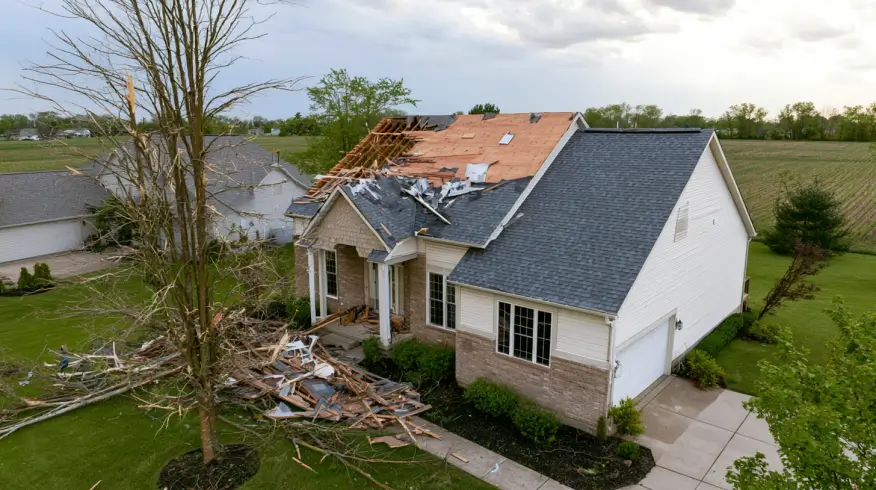
- Tree limbs or debris puncturing the roof
- Damaged flashing around chimneys, vents, skylights, walls, or valleys
- Sagging roof areas, soft decking, or visible structural movement
- Water entering near electrical fixtures, panels, outlets, or equipment
- Large areas of exposed underlayment or roof decking
- Commercial roof membrane tears, ponding around damaged drains, or open seams
The National Weather Service defines severe thunderstorms as storms capable of producing hail one inch or larger or wind gusts over 58 mph. That level of wind and hail can damage roofs, siding, trees, and surrounding structures, which is why post-storm roof damage should be taken seriously even when the property does not show obvious interior leaks right away.
Emergency Roof Leak: When Water Intrusion Cannot Wait
An emergency roof leak is one of the clearest signs that a roof needs immediate attention. Water entering the building during or after a storm can spread quickly through insulation, drywall, framing, flooring, and electrical systems. In Florida’s humid climate, trapped moisture also increases the risk of mold growth and hidden deterioration.
A roof leak should be treated as urgent when:
- Water is actively dripping or running indoors
- Ceiling stains are expanding during rainfall
- Paint is bubbling or drywall is soft
- Attic insulation is wet
- Water appears near light fixtures or electrical components
- Multiple rooms show signs of moisture
- A leak returns after previous temporary repairs
- The leak is coming from a roof penetration, valley, skylight, or wall transition
The source of a roof leak is not always directly above the visible stain. Water can enter through a damaged shingle, failed flashing, cracked tile, lifted vent boot, or open fastener, then travel along rafters or decking before appearing inside. That is why emergency roof repair should include both interior leak tracking and exterior roof inspection when conditions are safe.
Wind Damage That Requires Emergency Roof Repair
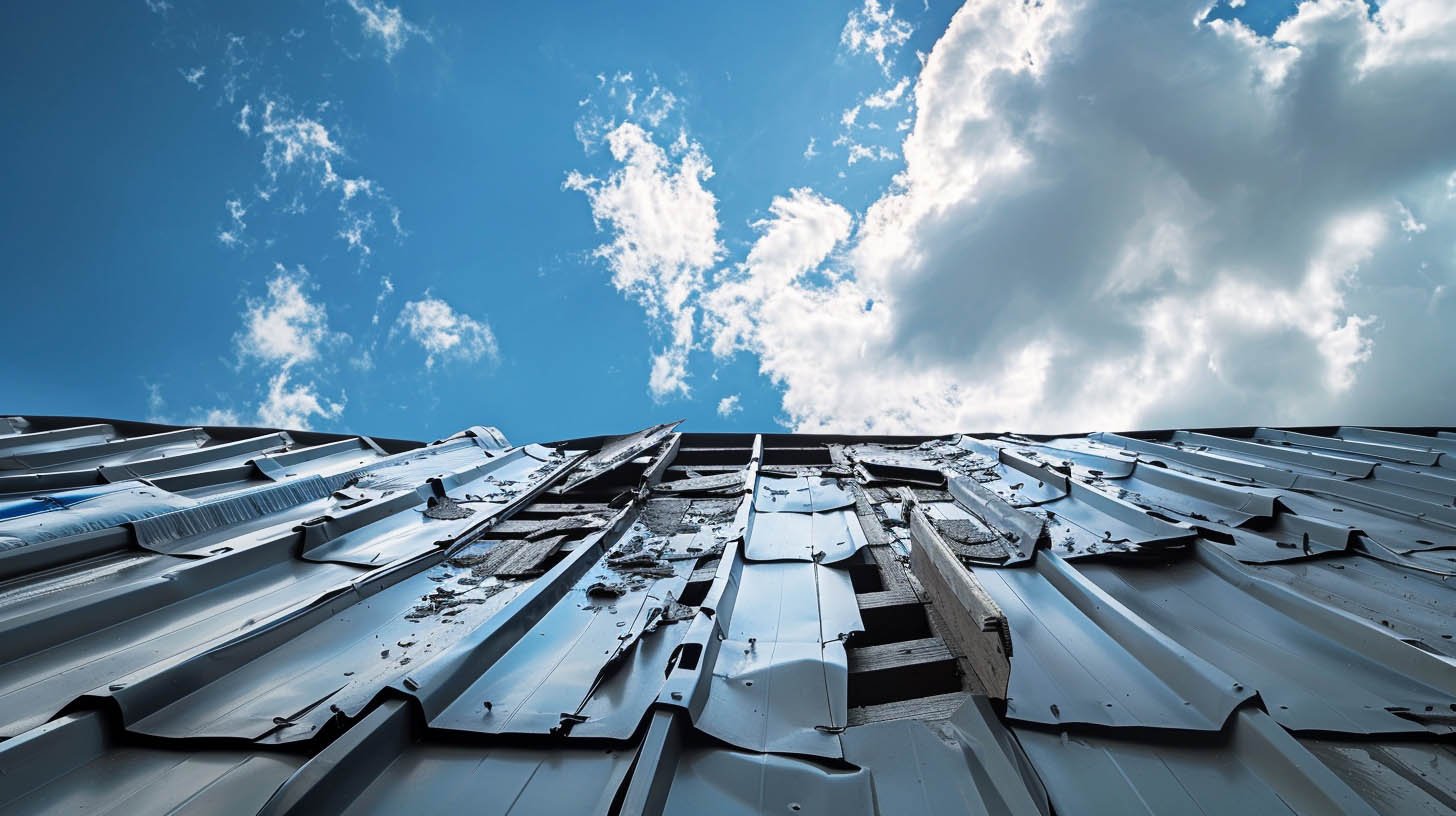
Wind damage is especially common during Florida storms because uplift forces can loosen roofing materials before they fully detach. A roof may still look “covered,” but once shingles, tiles, metal panels, or membrane sections are lifted, the waterproofing layers beneath can be exposed.
Urgent wind damage includes:
- Missing shingles or tiles across a roof slope
- Creased, lifted, or folded shingles
- Exposed nails or fasteners
- Damaged ridge caps
- Loose flashing around walls or penetrations
- Open seams on flat or low-slope commercial roofs
- Metal panels pulled away from fasteners or trim
- Debris impact marks after branches or objects hit the roof
Wind can also damage roof edges, soffit, fascia, gutters, and drip edge. These areas matter because roof edges are vulnerable during storms and often become starting points for progressive damage. Once wind gets under roofing materials, it can peel back larger sections and expose the system to heavy rain.
When Roof Tarping Is the Right Emergency Step
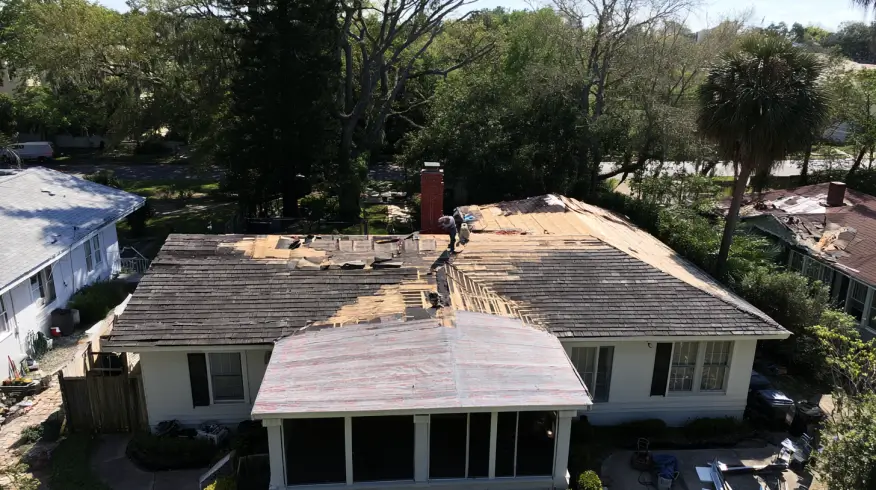
A tarp is a temporary protective barrier installed over damaged roof areas to reduce water intrusion until permanent repairs can be completed. Emergency roof tarping is often the right first step when the roof has an open breach, exposed decking, missing materials, or active leaking during unstable weather.
Professional tarping is commonly used after:
- Tree impact damage
- Large sections of missing shingles or tiles
- Storm-created punctures
- Open valleys or damaged flashing
- Leaks that cannot be permanently repaired during active rain
- Insurance-related documentation before full repair approval
A tarp should be secured properly so it does not blow loose, trap water incorrectly, or cause additional damage. Poorly installed tarps can create new leak paths, especially during wind-driven rain. For homeowners and property managers, the safest approach is to move valuables away from the leak area, place containers under active drips, document visible damage, and call a roofing contractor for emergency tarp installation.
Residential Emergency Roofing Services
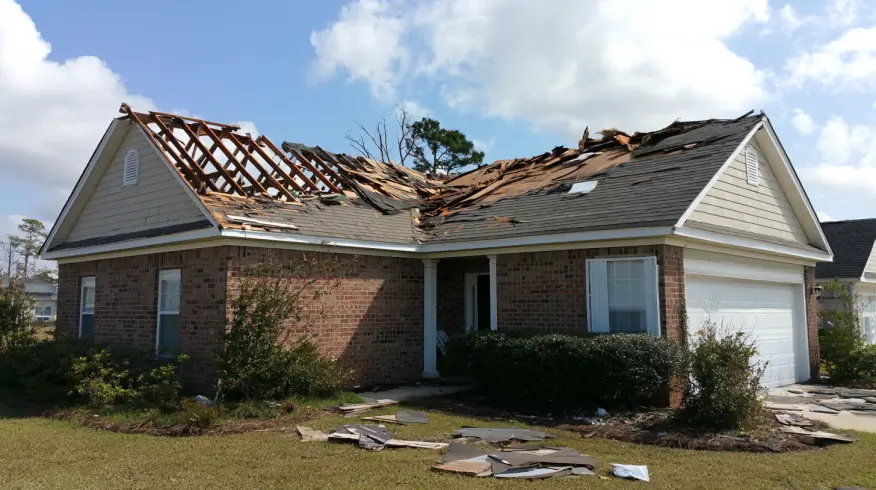
Residential roofing emergencies usually involve protecting the living space, preventing ceiling collapse, and stopping moisture from spreading through insulation and drywall. Homes with asphalt shingles, tile roofing, metal roofing, or flat roof sections can all experience urgent storm damage, but the signs vary by system.
For residential properties, we look for:
- Missing or lifted shingles
- Broken, slipped, or cracked roof tiles
- Damaged pipe boots and vent flashing
- Leaks around skylights, chimneys, and wall transitions
- Soft decking or sagging areas
- Storm debris on the roof
- Water stains on ceilings or attic framing
- Gutter and roof edge damage caused by wind or impact
A homeowner should not climb onto a wet or storm-damaged roof. Wet roofing materials, steep slopes, hidden soft spots, and loose debris create serious fall risks. Emergency service should focus on making the home watertight, identifying the source of intrusion, and documenting the condition clearly.
Commercial Emergency Roofing Services
Commercial roofing emergencies often require a different response because larger roof surfaces, flat or low-slope systems, drainage points, rooftop equipment, and interior business operations are involved. A leak in a commercial building can damage inventory, tenant spaces, electrical systems, insulation, ceiling tiles, documents, equipment, and customer-facing areas.
Urgent commercial roof problems include:
- Torn TPO, modified bitumen, or flat roof membrane
- Open seams after wind uplift
- Water entering around HVAC curbs or vents
- Ponding water near drains after storm debris blockage
- Damaged parapet walls or edge metal
- Interior leaks affecting operations or tenant safety
- Saturated insulation under the roof membrane
- Large debris impact from branches, signs, or equipment
For commercial properties, emergency roofing services may include temporary sealing, membrane patching, drainage clearing, moisture assessment, photo documentation, and a phased repair plan that minimizes business disruption. Property managers should also document affected interior areas and preserve maintenance records for insurance and building management purposes.
Storm Damage vs. Normal Wear: How to Tell the Difference
Storm damage is usually tied to a specific weather event, while normal wear develops gradually over time. The distinction matters because it affects repair urgency, insurance documentation, and long-term roof planning.
Storm-related damage may include sudden missing materials, impact marks, punctures, torn flashing, displaced tiles, fallen limbs, or new leaks immediately after severe weather. Normal wear may include granule loss, aging sealant, brittle shingles, faded materials, minor cracking, or gradual deterioration around penetrations.
The problem is that storms often expose older weaknesses. A roof with aging flashing or brittle shingles may fail faster under heavy rain and wind. That does not make the leak less urgent. It means the inspection should determine both the immediate emergency repair and whether the roof system has broader vulnerabilities.
For more details on post-storm roofing issues, visit our storm damage roof repair page.
What to Do Immediately After Storm Roof Damage
The first response should protect people before property. Do not go outside during lightning, high winds, or active severe weather. Do not climb onto the roof. Do not enter attic areas if water is near electrical wiring or if the ceiling appears unstable.
Safe immediate steps include:
- Move people and pets away from the affected area.
- Place buckets or containers under active leaks.
- Move furniture, electronics, rugs, and valuables out of the leak path.
- Take photos and videos of visible interior damage.
- Note the date and time of the storm.
- Avoid turning on lights or fixtures near water intrusion.
- Call a roofing contractor for emergency roof leak service or tarping.
- Contact your insurance provider if the damage appears storm-related.
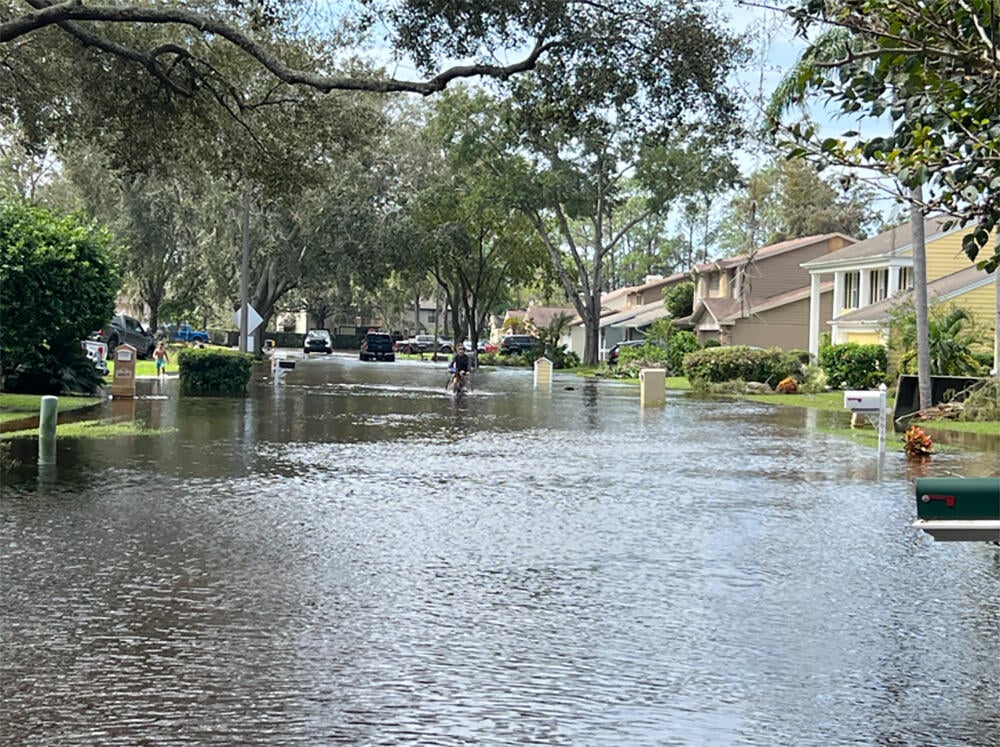
The National Hurricane Center warns that storm surge can travel several miles inland, which reinforces a larger point for Florida property owners: storm risk is not limited to beachfront homes. Heavy rain, wind-driven debris, and tropical systems can affect inland neighborhoods, commercial districts, and coastal communities throughout the Tampa Bay area.
When Damage Can Wait for a Scheduled Roof Repair
Not every roofing issue is a true emergency. Some damage still needs attention but can be scheduled after the immediate storm response period.
Non-emergency issues may include:
- One or two missing shingles with no active leak
- Minor granule loss
- Small cosmetic dents with no puncture
- Aging sealant around a penetration
- A slow stain that is dry and not spreading
- Gutter damage that is not causing water intrusion
- Minor cracked tiles where underlayment remains protected
Even when a repair can wait a few days, it should still be inspected. Florida weather can shift quickly, and a minor defect can become urgent during the next heavy rainfall. The difference is whether the current condition threatens the interior, structure, or safe use of the property.
Why Delaying Emergency Roof Repair Increases Damage
Delay is expensive because roof leaks rarely stay isolated. Water can travel through the roof system, saturate insulation, stain ceilings, weaken decking, and damage structural components. Once moisture is trapped, the visible repair may become only part of the total restoration cost.
Delaying emergency roof repair can lead to:
- Larger interior water damage
- Mold and mildew concerns
- Damaged attic insulation
- Rot around decking or framing
- Electrical hazards
- Ceiling collapse risk
- Higher repair costs
- More complicated insurance documentation
- Premature roof replacement
Fast temporary protection does not replace permanent repair, but it can limit the spread of damage. That is the purpose of emergency roofing services: stabilize first, diagnose accurately, then repair correctly.
Local Emergency Roofing Help in Storm-Prone Florida Communities
Storm response depends on local conditions, roof type, material availability, and how quickly the damaged area can be stabilized. We provide emergency roofing support for homeowners and businesses throughout the Tampa Bay region, including service areas with dedicated local pages such as emergency roofing in Apollo Beach, emergency roof repair in Clearwater, emergency roof repair in St. Petersburg, and emergency roof repair in Bradenton.
Conclusion
Emergency roofing services are necessary when storm damage creates an immediate risk to the building, its occupants, or its contents. In a storm-prone state like Florida, urgent roof problems often include emergency roof leaks, wind damage, debris impact, exposed decking, damaged flashing, commercial membrane tears, and roof conditions that allow water to enter the property.
The best response is simple: protect people first, limit interior damage, document what you can safely see, avoid climbing on the roof, and call for professional emergency roof repair or tarping. A fast, informed response can prevent a temporary storm problem from becoming a major structural or interior restoration project.
FAQ
Are roof leaks always considered emergency roofing issues?
Not every roof leak requires middle-of-the-night service, but any active water intrusion during or after a storm should be treated as urgent. If water is dripping indoors, spreading across ceilings, entering near electrical fixtures, or appearing in multiple rooms, it qualifies as an emergency roof leak. Even a small leak can worsen quickly during Florida rain, especially if wind has lifted shingles, damaged flashing, or exposed underlayment.
What is the difference between emergency roof tarping and permanent roof repair?
Emergency roof tarping is a temporary measure used to reduce water intrusion after storm damage, missing materials, punctures, or active leaks. It protects the property until weather conditions, materials, inspections, or insurance steps allow permanent repair. Permanent roof repair addresses the actual source of the problem, such as replacing damaged shingles, repairing flashing, sealing penetrations, restoring underlayment, patching commercial membrane, or replacing compromised roof sections.
Should commercial roof leaks be handled differently from residential roof leaks?
Yes. Commercial roof leaks often involve larger roof areas, flat or low-slope systems, rooftop HVAC units, drains, parapet walls, tenant spaces, inventory, and business operations. A commercial emergency roofing response may require temporary membrane patching, drainage clearing, leak isolation, moisture assessment, and documentation for property managers or insurance providers. Residential emergency roof repair usually focuses on protecting living areas, attic spaces, ceilings, insulation, and personal property.