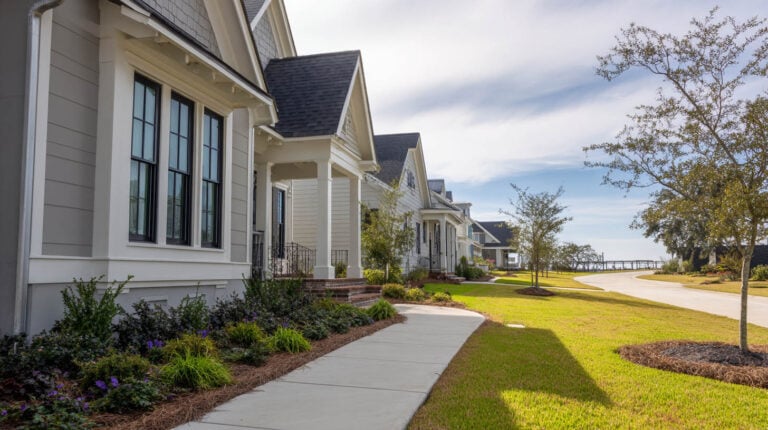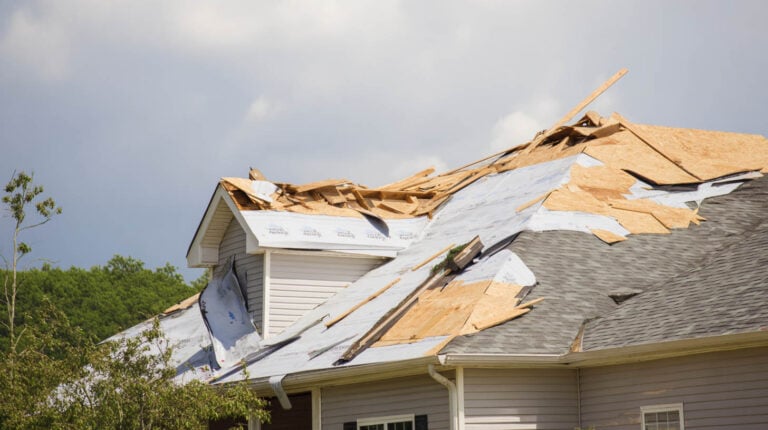
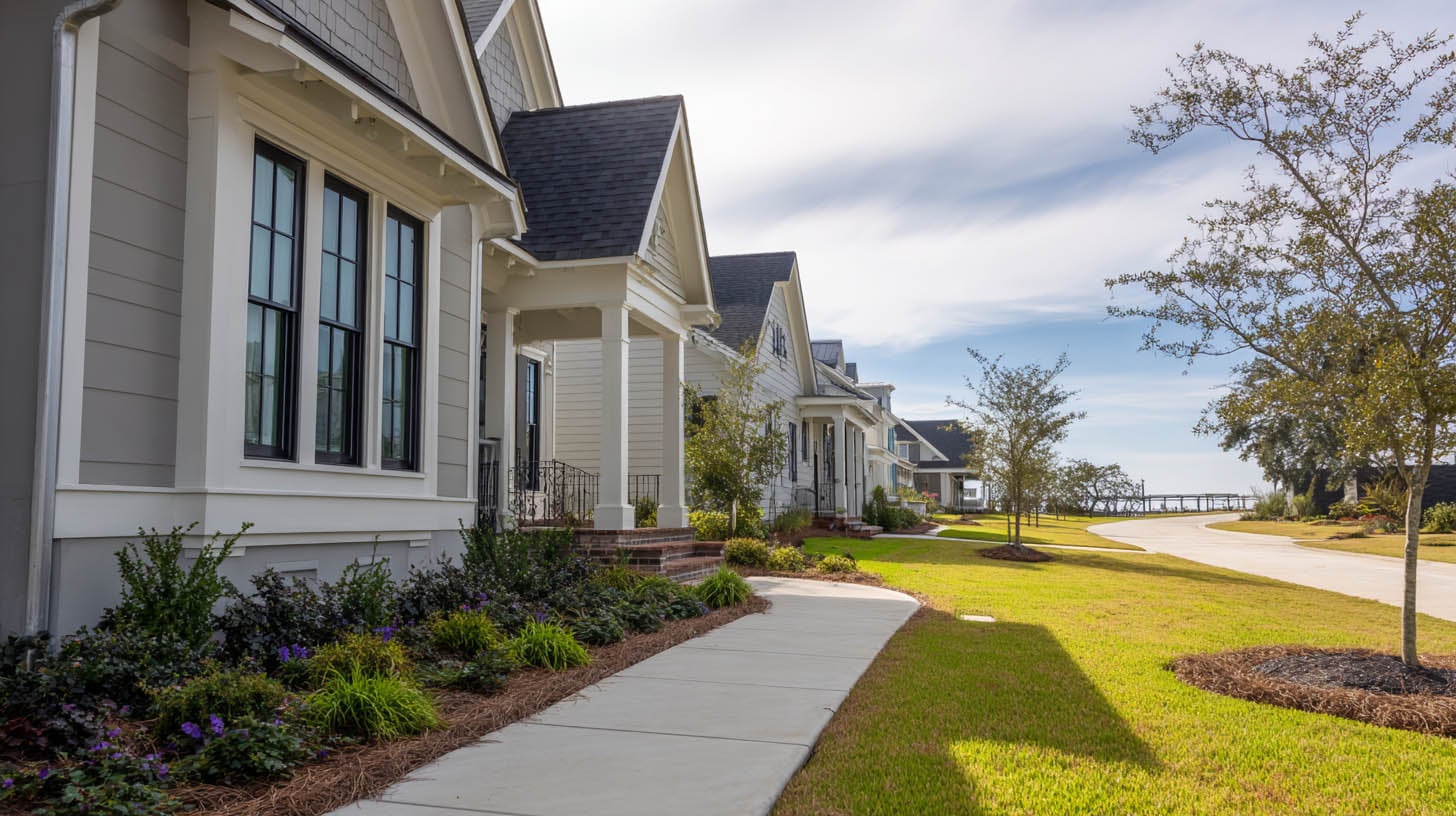
For owners of Florida homes, creating a roofing budget is a crucial step in protecting your investment. Your roof is more than just a cover; it is a complete roofing system that defends against intense sun and storms. A well-planned, long-term budget ensures you are prepared for everything from routine maintenance to a full replacement, giving you peace of mind and financial stability for years to come.
Essential Steps for Building a Long-Term Roofing Budget in Florida
Creating a long-term roofing budget involves several essential steps to ensure financial preparedness for Florida homeowners. First, evaluate the condition of your current roof, noting the lifespan and any impending maintenance needs. Following this assessment, set realistic roofing goals considering factors such as potential storm damage and energy efficiency. Investing in quality materials and proper installation can yield long-term savings. Finally, consider future costs, including inspections and repairs, to maintain a functional roofing system in Florida’s unique climate.
Evaluating Your Current Roof’s Condition
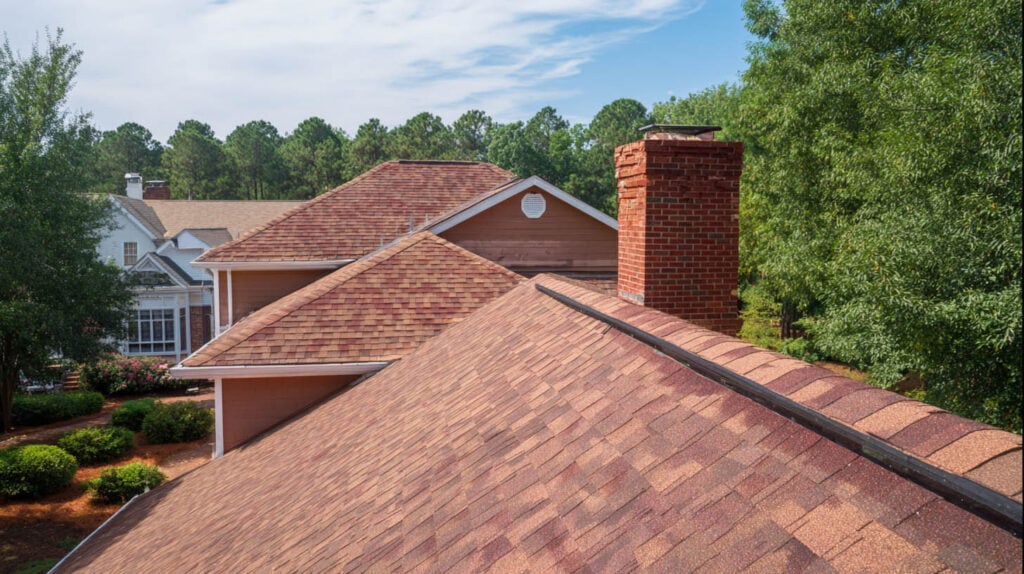
A thorough assessment of your roof’s condition is essential for Tampa, FL homeowners. Inspect for missing shingles, granule loss, or signs of moisture damage, such as leaks or algae growth. Understanding the lifespan of your roof can guide decisions on repairs versus full replacement. Engaging a knowledgeable roofing contractor for a professional roof inspection prioritizes code compliance and helps identify structural issues, providing peace of mind. This proactive approach not only aids in planning your roofing budget but also safeguards your home against Florida’s intense weather challenges.
Setting Long-Term Roofing Goals for Your Home
Once you know your roof’s condition, you can set realistic goals. If you plan to stay long-term, invest in a durable roof; if selling soon, address immediate needs. Regular maintenance saves money over time. Quality installation extends your roof’s life and reduces replacement frequency. Budget for biannual inspections and minor repairs to manage costs and protect your home’s value.
At Steadfast Roofing, we match your goals with the right solutions. As an Owens Corning Preferred and Atlas Gold Certified Contractor, we have the expertise to guide you.
Factors That Impact Roofing Costs
Several key factors determine the overall cost of a new roof for Florida homeowners. The roofing material you select is one of the biggest influences on the total cost, but it’s not the only one. The size and complexity of your roof also play a significant role in determining final roof replacement costs.
Understanding these variables will help you create a more accurate and realistic budget. From our intense local weather to the specific materials you choose, each element affects your bottom line. We will explore these factors in more detail.
Climate and Weather Consideration
Understanding the climate and weather dynamics in Hillsborough County is crucial for Florida homeowners when considering roofing solutions. Intense UV exposure and heavy rainfall present unique challenges, impacting the overall lifespan of roofs significantly. Proper installation is essential to withstand hurricane season and prevent moisture damage. Choosing durable materials like metal roofing or tile can enhance energy efficiency and minimize potential repairs caused by storm damage. Maintaining awareness of these factors ensures a long-term roofing strategy that offers structural integrity and peace of mind.
Material Options: Asphalt and More
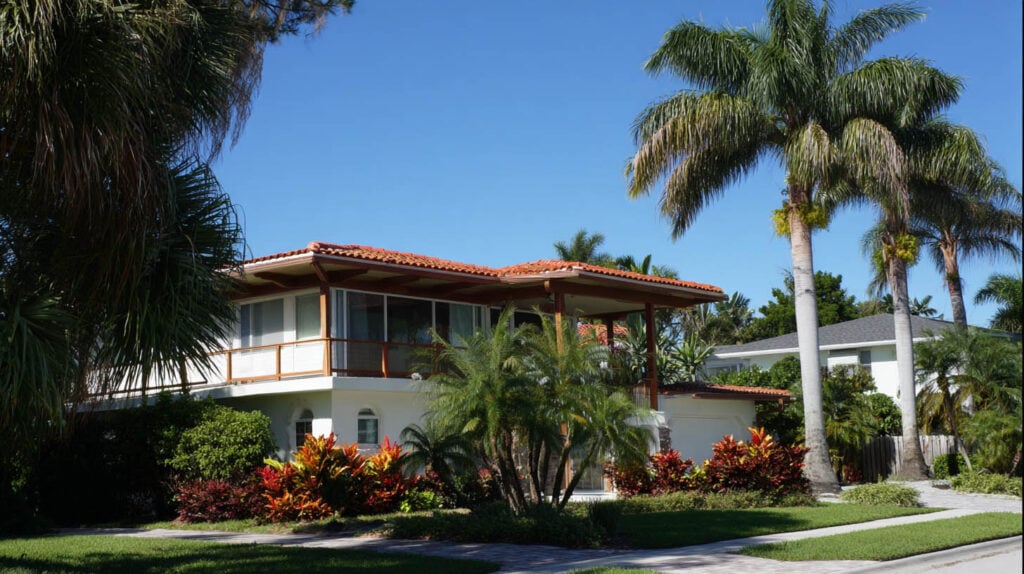
Choosing the right roofing material significantly impacts the lifespan of your roof and overall roofing costs. Asphalt shingles are popular among Florida homeowners for their affordability and ease of installation. Tile roofing offers durability and energy efficiency but at a premium price. Metal roofing stands out for its longevity and resistance to intense UV exposure and heavy rainfall. Each material choice requires consideration of Florida’s strict building codes and the potential for storm damage, ensuring your investment is protected for years to come.
Planning for Recurring Roof-Related Expenses
A successful roofing budget accounts for more than just the initial roofing project. To avoid costly repairs, you must plan for recurring expenses. Proper maintenance and regular roof inspections are the cornerstones of a healthy roof and a predictable budget. These proactive steps can extend your roof’s life and satisfy requirements from insurance companies.
Setting aside funds for these ongoing needs is just as important as saving for a full replacement. Let’s break down the specific recurring costs you should include in your long-term financial plan to keep your roof in top condition.
Scheduling Preventative Maintenance
Regular inspections and maintenance are critical for prolonging your roof’s lifespan and minimizing costly repairs. Scheduling these checks annually helps identify issues like missing shingles or moisture damage before they escalate. Professional roofing contractors can assess the roof structure, ensuring compliance with strict building codes and detecting potential weak points. Implementing a preventative maintenance plan reduces the risk of structural damage during Florida’s intense storm seasons, ultimately providing Florida homeowners with peace of mind and energy savings over the long run.
Budgeting for Repairs, Cleaning, and Emergency Costs
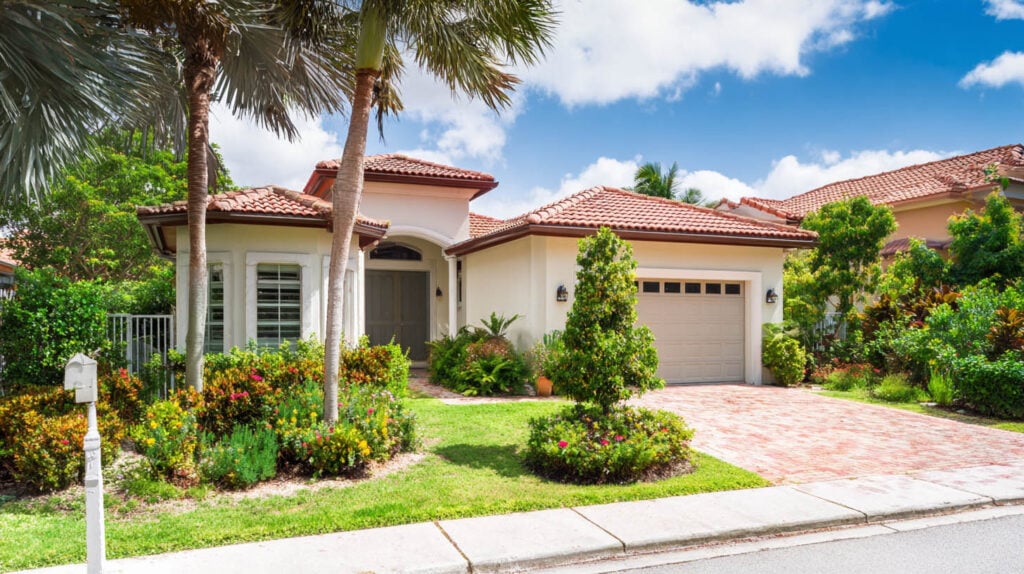
Creating a budget for repairs, cleaning, and emergencies ensures that unexpected roofing issues won’t catch Florida homeowners off guard. Consistent maintenance not only prolongs the lifespan of your roof but also minimizes roof replacement costs in the long run. Setting aside funds for urgent repairs, such as structural damage from heavy rainfall or storm damage, provides peace of mind. Additionally, regular cleaning helps prevent moisture damage and algae growth, keeping your roofing system efficient and compliant with strict building codes.
Contact Us
Creating a long-term roofing budget is essential for Florida homeowners to effectively manage costs and safeguard their investments. Considering factors such as material choice, climate impacts, and recurrent expenses ensures a reliable roofing strategy. By prioritizing proper installation, periodic inspections, and embracing preventative maintenance, homeowners can mitigate costly repairs and extend the lifespan of their roofs. With thoughtful planning and an understanding of local building codes, achieving peace of mind regarding roofing expenses becomes attainable.
Frequently Asked Questions
Which roofing materials offer the best value for money in Florida?
While asphalt shingles are the most affordable upfront, a metal roof or tile roofing often provides better long-term value in Florida. Their durability, extended lifespan, and potential for energy savings can make them a more cost-effective roofing material choice over time.
How much does it cost to roof a 1500 sq ft house?
For a home with a roof size of around 1500 square feet, roof replacement costs can vary significantly based on materials and labor costs. The total cost for asphalt shingles might start around $11,000, while metal or tile could be higher.
Read our blog: What Homeowners Should Know About Roof Underlayment in High-Wind Zones