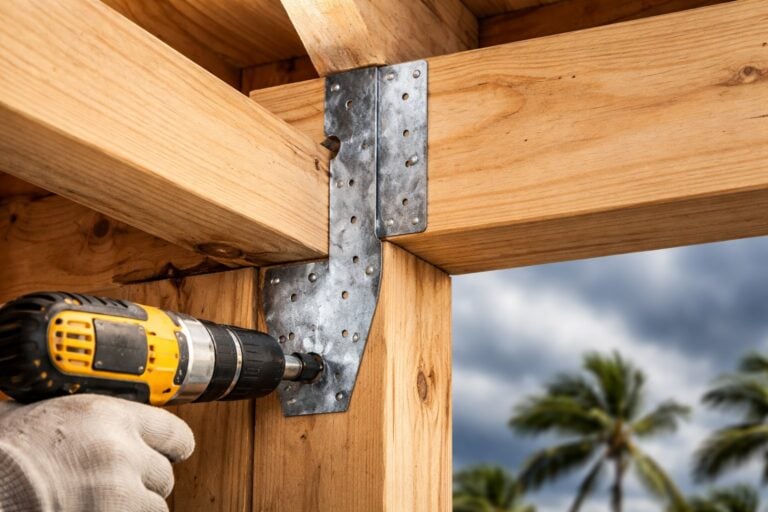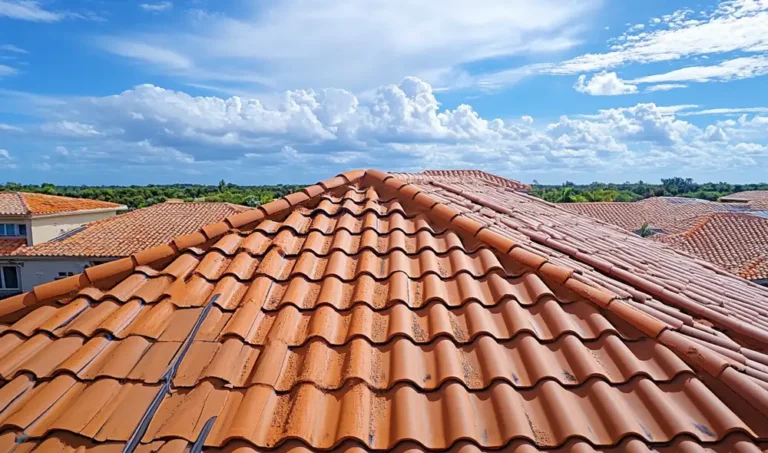
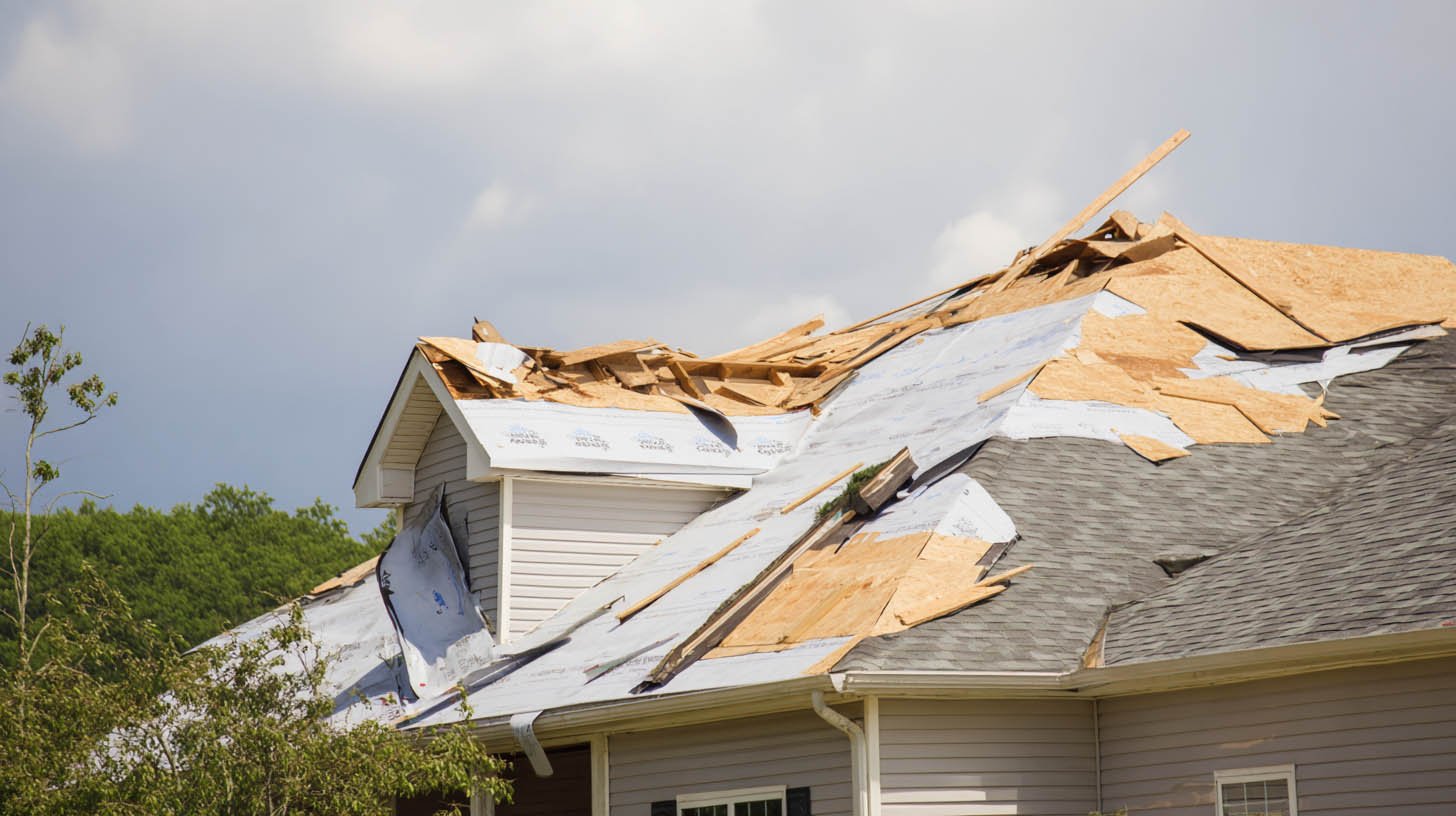
Living in Tampa, FL, means preparing your home for high winds. While shingles are important, the hidden layer of roof underlayment is your home’s secret weapon. This vital component of your roofing system provides critical protection when storms hit. At Steadfast Roofing, we want to ensure you understand why choosing the right underlayment is essential for safeguarding your home and family.
Understanding the Role of Roof Underlayment in High-Wind Zones
Essential for high-wind zones, roof underlayment acts as a moisture barrier that enhances the entire roofing system’s integrity. This protective layer shields against wind damage, moisture intrusion, and water buildup, forming a watertight seal critical in harsh weather conditions. Homeowners must choose the right underlayment—whether synthetic options or asphalt underlayment—to maximize energy efficiency and reduce risks of interior leaks. Proper installation is crucial to ensure long-lasting performance amidst high winds and severe weather, providing peace of mind for homeowners.
How Roof Underlayment Adds Extra Protection
Providing a crucial barrier against moisture intrusion, roof underlayment serves as your home’s first line of defense in high-wind zones. With strong winds and heavy rain, the right underlayment ensures a watertight seal, safeguarding vulnerable areas of the roofing system from water damage and interior leaks. Among the various types of roof underlayment, synthetic options often outperform traditional felt underlayment, delivering premium protection against the harshest weather conditions while enhancing the overall durability and lifespan of the roof structure.

Why Tampa, FL Homeowners Should Prioritize Quality Underlayment
In Tampa, FL, severe weather is common, so strict roofing codes require durable materials that can withstand hurricane-force winds. High-quality roofing underlayment is essential for meeting these standards and protecting your home.
Investing in a reliable underlayment prevents roof damage and avoids costly repairs. Cheaper options may tear or fail, leaving your home vulnerable. As a BBB Accredited and Owens Corning Preferred Contractor, we always recommend materials built for Florida’s tough climate. The right underlayment gives you more than a stronger roof—it provides peace of mind. With added protection against storms, you can feel confident your home is safeguarded.
Key Types of Roof Underlayment for Wind-Resistant Roofing
When building a wind-resistant roof, you can choose from three main underlayment types: traditional asphalt-saturated felt, modern synthetic underlayment, and self-adhered rubberized asphalt. Each offers different levels of protection, durability, and cost. At Steadfast Roofing, we help you select the best option for your home. We’ll highlight the benefits of synthetic underlayment and when traditional felt may still be suitable. We proudly use top brands like Atlas, Owens Corning, and IKO.
Benefits of Synthetic Underlayment in High-Wind Areas
Synthetic underlayment serves as a superior choice for homeowners situated in high-wind areas. Its composition often includes rubber polymers, offering enhanced flexibility and increased resistance against wind uplift compared to traditional options. This lightweight material not only improves energy efficiency due to its moisture barrier properties but also provides a watertight seal that prevents moisture intrusion, safeguarding the roof structure. As a premium protective layer, synthetic underlayment ensures greater longevity of the roofing system, contributing to peace of mind during severe weather conditions.
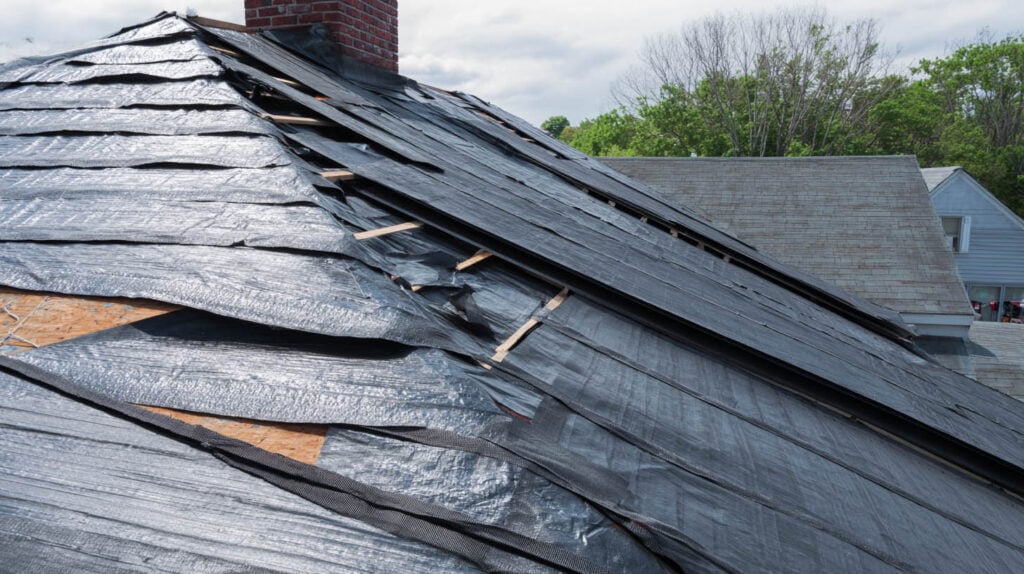
When to Consider Asphalt-Saturated Felt
Asphalt-saturated felt can be a practical choice for homeowners prioritizing a cost-effective solution while still needing reinforcement against harsh weather conditions. This type of underlayment serves as a strong moisture barrier, crucial for climates prone to heavy rain and wind uplift. When utilizing asphalt shingles, felt provides added benefits, such as enhanced durability and resistance to water intrusion. Assessing the specific needs of your roofing system, especially in high-wind areas, will guide your decision to include asphalt-saturated felt as part of your roofing strategy.
Comparing Synthetic vs. Felt Underlayment for Wind Protection
For homeowners in high-wind zones, understanding the differences between synthetic and felt underlayment is key to making an informed decision. While both serve the same basic function, their performance under stress varies significantly. The right type of underlayment for your home depends on your roof design, budget, and desired level of wind protection.
We will now look closer at how these materials perform during high winds and compare their long-term durability. This will help you see why one option may be a better investment for protecting your home’s roofing system, especially under our challenging Florida weather conditions.
Performance Differences During High Winds
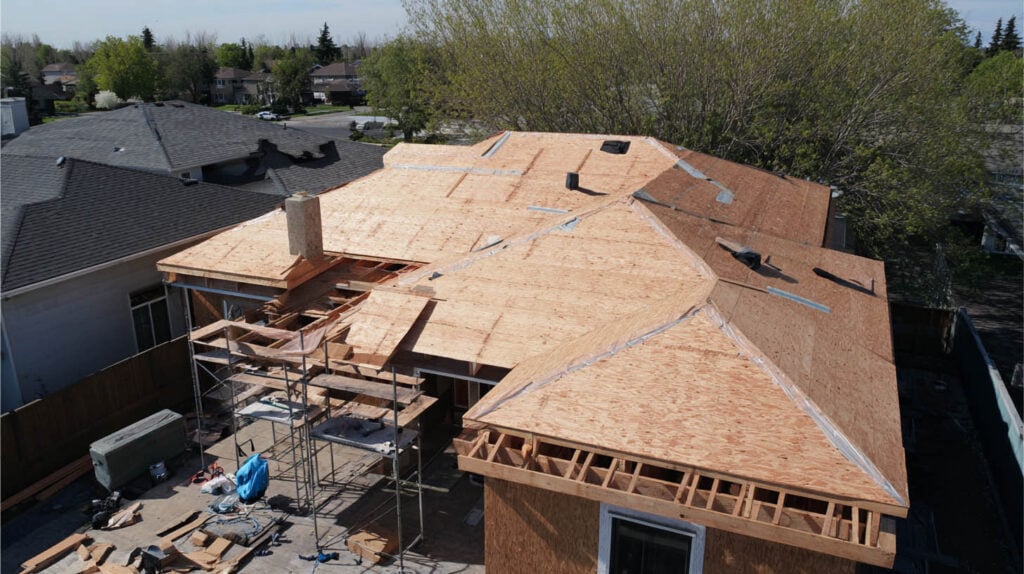
Performance during high winds is critical to the integrity of a roofing system. Synthetic underlayment, designed for harsh weather conditions, provides a robust moisture barrier that enhances wind resistance and reduces the risk of water intrusion. In contrast, traditional felt underlayment may suffer from moisture buildup, compromising its protective capabilities. Proper installation of either type is essential to ensure a watertight seal against wind uplift. Ultimately, investing in higher-quality underlayment can safeguard your home from severe weather threats while ensuring a longer lifespan for your roof.
Durability and Lifespan in Storm-Prone Regions
Durability and lifespan are critical factors to consider for any roofing underlayment in storm-prone regions. Synthetic options often outperform traditional felt underlayment in maintaining structural integrity under high winds. These materials resist moisture buildup and provide a watertight seal, significantly reducing risks of water intrusion and interior leaks. Rubberized asphalt underlayment provides an additional layer of protection against severe weather. Proper installation ensures that the entire roofing system performs effectively, promoting energy efficiency and peace of mind during harsh weather conditions.
Best Practices for Installing Roof Underlayment in Florida
Proper installation is essential for maximizing the performance of your roof underlayment, especially in Florida. Our state’s building codes are some of the strictest in the country due to hurricane risks. As an Atlas Gold Certified and IKO RoofPro Select Contractor, we adhere to these codes meticulously to ensure your roof is as wind-resistant as possible.
Following best practices is not just about meeting code; it’s about creating a truly durable roofing system. We’ll share some key installation tips and point out common mistakes to avoid, ensuring your underlayment provides the long-lasting protection your home needs.
Installation Tips for Long-Lasting Wind Resistance
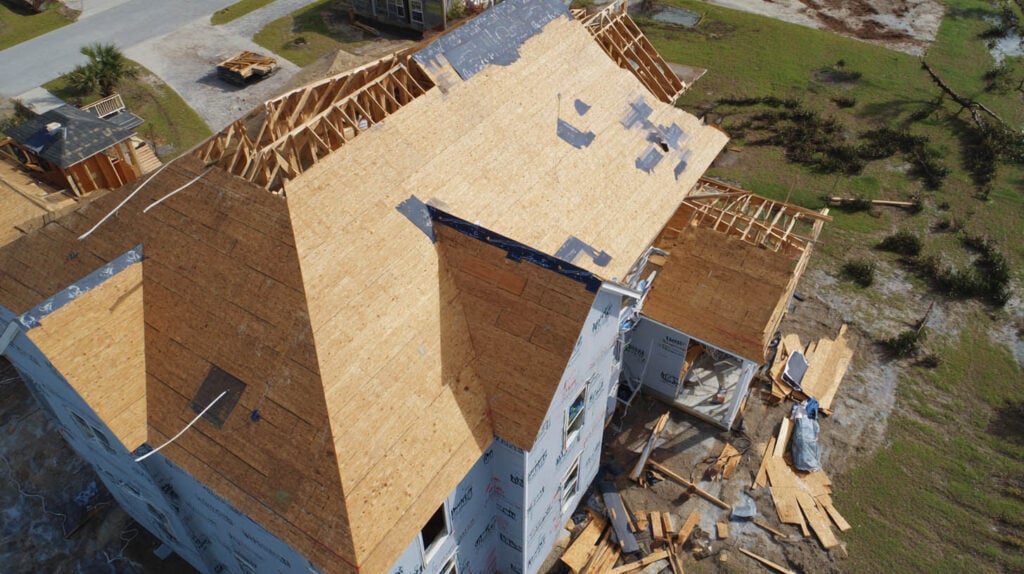
Long-lasting wind resistance starts with proper installation. A well-installed underlayment forms a seamless moisture barrier and strengthens your roof. As a 3-Year Consecutive Best of Florida Winner, Steadfast Roofing follows all manufacturer specs and local codes. Our key steps:
- Clean and dry the roof deck before installing underlayment.
- Use correct fasteners in the right quantity.
- Overlap seams to prevent water intrusion.
- Seal around vents, chimneys, and other roof openings.
Each step ensures a continuous protective layer. Proper overlaps channel water off the roof, while secure fasteners prevent lifting in high winds.
Avoiding Common Installation Mistakes
Proper installation of roofing underlayment is essential for maximizing its protective benefits, especially in high-wind zones. A common mistake includes failing to ensure a watertight seal along vulnerable areas, allowing moisture intrusion and potential water damage. Additionally, neglecting local building codes can lead to subpar installation. Using the wrong type of underlayment or overlooking the importance of overlapping seams decreases the effectiveness of the moisture barrier. Homeowners should prioritize attention to these details to enhance the longevity and resilience of their roofing system.
Contact Us Today
Understanding roof underlayment is essential for Tampa homeowners, especially in high-wind areas. Quality underlayment protects against moisture and wind-driven rain, keeping your roof resilient during storms. Choosing materials like synthetic underlayment or asphalt-saturated felt boosts your roof’s durability and lifespan. At Steadfast Roofing, we offer expert solutions tailored to your needs. Contact us today for a quote and safeguard your home.
Frequently Asked Questions
Are there signs before a roof collapses?
Yes, warning signs include sagging ceilings, persistent leaks after storms, cracked or split rafters in the attic, and visible roof damage from the outside. If you notice any of these issues, schedule a professional roof inspection immediately to assess the structural integrity.
Does roof underlayment need to breathe?
Yes, a roof system needs to manage moisture. Some types of proper underlayment are “breathable” or vapor-permeable, allowing moisture from inside your attic to escape. This prevents moisture buildup on the roof decking, which can lead to rot and structural issues.
Read our blog: How Attic Insulation and Your Roof Work Together in Florida’s Climate