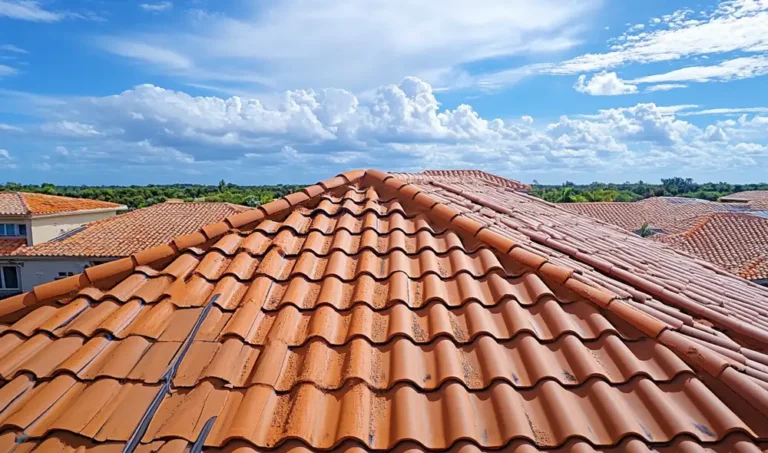
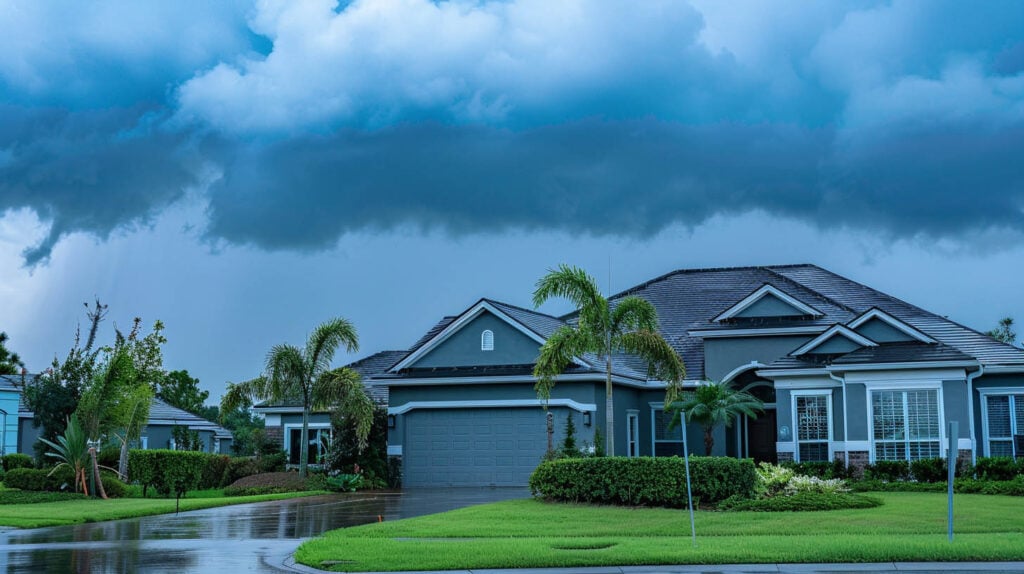
Steadfast Roofing helps Tampa, FL homeowners protect their roofing systems from the high winds, wind-driven rain, tropical storms, and hurricane conditions that regularly threaten Florida homes. Wind damage is not always obvious from the ground; a roof can lose shingles, loosen flashing, weaken fasteners, or allow hidden water intrusion long before a homeowner sees a ceiling stain. The best protection starts before the next storm: a properly installed roof system, strong roof-to-wall connections, durable underlayment, routine inspections, and a clear plan for post-storm roof repair.
Why Wind Damage Is So Dangerous for Florida Roofs
High winds attack a roof in several ways at once. As wind moves over the roof surface, it creates uplift pressure that can pull shingles, tiles, metal panels, and even roof decking away from the structure. At the same time, lateral wind pressure can drive rain under lifted materials, bend flashing, loosen soffit and fascia, and expose vulnerable roof edges.
Florida homes are especially vulnerable because storms often combine strong gusts with heavy rain. Once shingles blow off or flashing separates, water can reach the underlayment, roof deck, attic insulation, and interior drywall. That is why wind protection is not only about keeping roofing materials in place; it is also about preventing water intrusion if the outer roof covering is damaged.
The Most Common Signs of Wind Damage
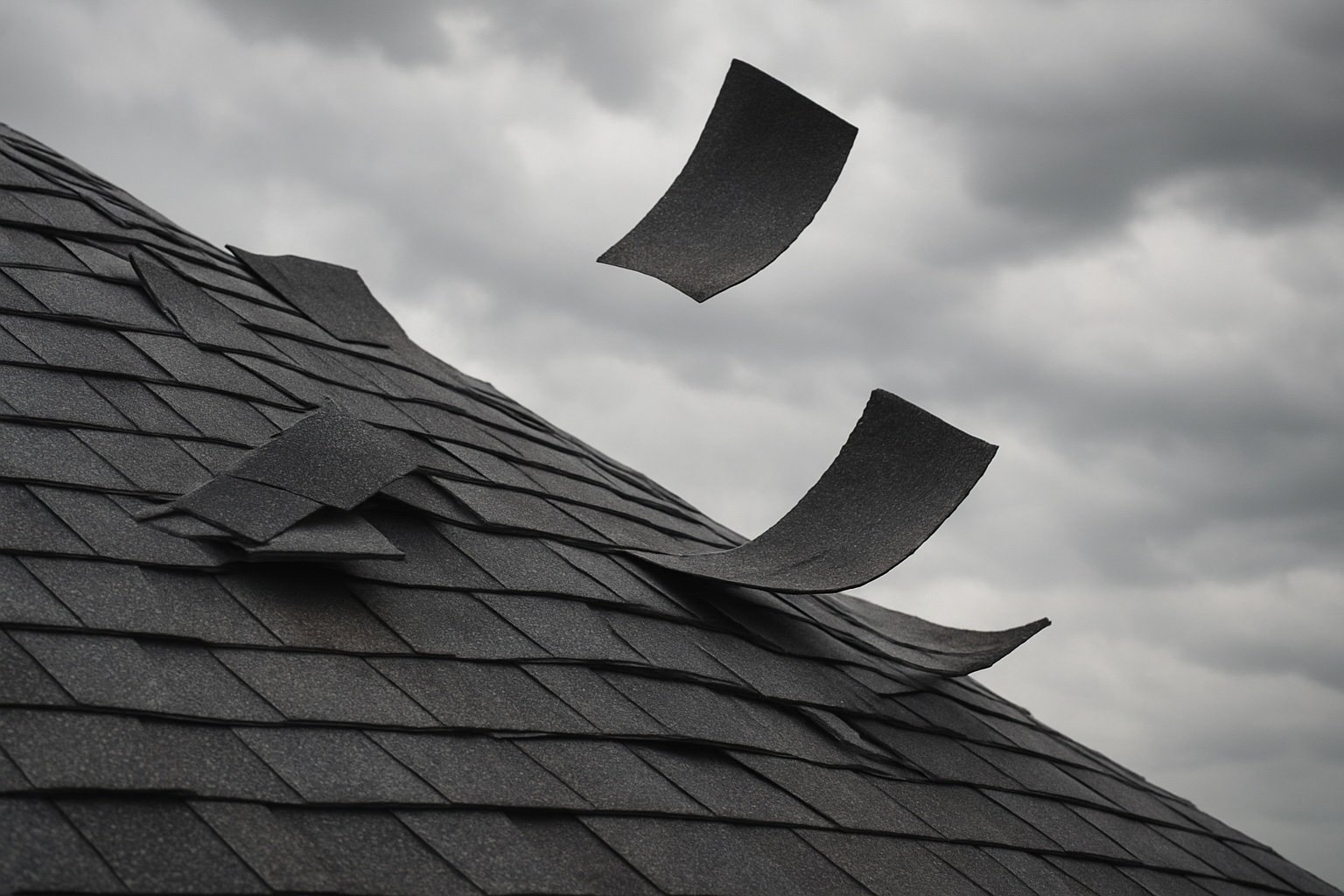
After a storm, homeowners should look for visible warning signs without climbing onto the roof. Common indicators include missing shingles, lifted shingle edges, creased shingles, scattered granules near downspouts, loose ridge caps, bent vents, displaced flashing, cracked sealant around penetrations, sagging gutters, and debris impact marks.
Inside the home, warning signs include attic dampness, musty odors, new ceiling stains, bubbling paint, and unexplained humidity. Even a small shingle blow-off area can create a path for water, especially when another storm follows before repairs are completed.
For homeowners who already suspect storm-related roof issues, our guide to roof storm damage identification and repair explains what to check after severe weather and when to schedule a professional inspection.
Wind Mitigation Starts with a Strong Roof System
Wind mitigation means improving the home’s ability to resist windstorm damage. In Florida, this can include roof deck attachment, roof-to-wall connections, roof shape, secondary water resistance, opening protection, and code-compliant roof covering installation. Florida law states that insurers should provide savings to consumers who install or implement windstorm damage mitigation techniques designed to prevent windstorm losses through Florida Statute §627.0629.
For the roof itself, the most important wind mitigation upgrades usually fall into four categories: stronger fastening, better underlayment, improved edge protection, and reinforced structural connections.
Roof Straps, Clips, and Roof-to-Wall Connections
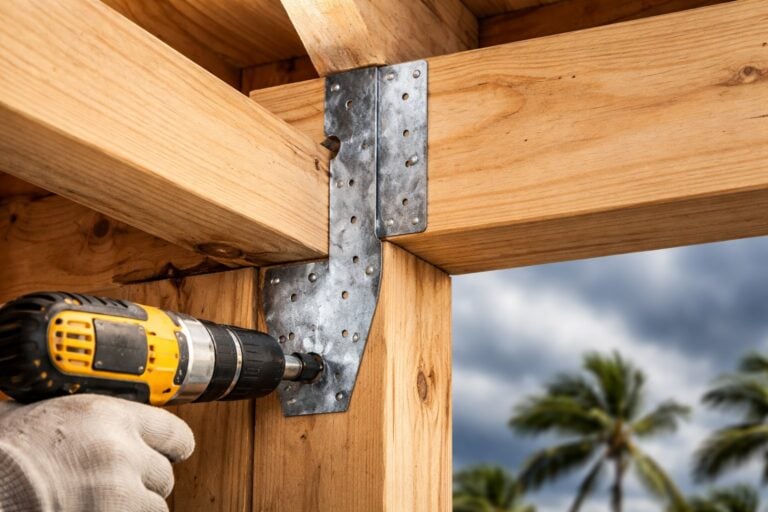
The roof covering is only one part of wind resistance. In severe wind, the entire roof structure must remain connected to the walls. Roof straps, hurricane clips, and wraps are designed to strengthen the roof-to-wall connection by tying rafters or trusses to the wall framing. Without adequate connections, uplift forces can separate the roof structure from the home.
Older homes may have weaker toenail connections, while newer or upgraded homes may include clips, single wraps, or double wraps. These details are typically verified through a wind mitigation inspection. The Florida Department of Financial Services notes that roof deck attachment, roof-to-wall connections, hip roof shape, and secondary water resistance can qualify for wind mitigation discounts when properly documented through hurricane loss mitigation discount guidance.
When Steadfast Roofing evaluates a storm-prone roof, we look beyond the surface materials. We consider fastening patterns, roof deck condition, flashing, penetrations, roof edges, and whether the visible system suggests deeper vulnerabilities that should be inspected by the right professional.
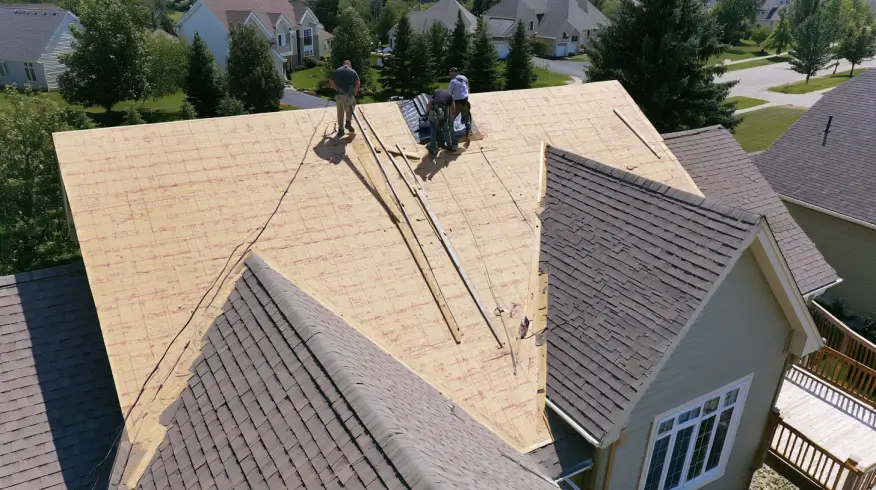
Underlayment: The Backup Defense Against Wind-Driven Rain
Underlayment is one of the most important layers in a Florida roofing system. If shingles, tiles, or panels are damaged during high wind, underlayment helps protect the roof deck from water intrusion. Standard felt underlayment offers basic protection, but many Florida homeowners benefit from synthetic underlayment or self-adhered waterproofing membranes in vulnerable areas.
A sealed roof deck or secondary water resistance layer can be especially valuable because it helps reduce water entry if the primary roof covering is compromised. This matters during hurricanes, when wind-driven rain can enter through gaps that would not leak during normal rainfall.
Preventing Shingle Blow-Off
Shingle blow-off usually happens when shingles are aging, improperly fastened, poorly sealed, or already lifted by heat and weather exposure. In Tampa’s climate, sun, humidity, and storm cycles can weaken adhesive strips over time. Once the seal fails, wind can catch the exposed edge and peel shingles away.
To reduce shingle blow-off risk, roofing materials must be installed with the correct nail type, nail placement, nail depth, and fastening pattern. Overdriven nails, underdriven nails, high nails, and insufficient fasteners can all reduce wind performance. Starter strips, drip edge, ridge caps, and roof edges must also be installed correctly because wind pressure is often strongest at corners, eaves, rakes, and ridges.
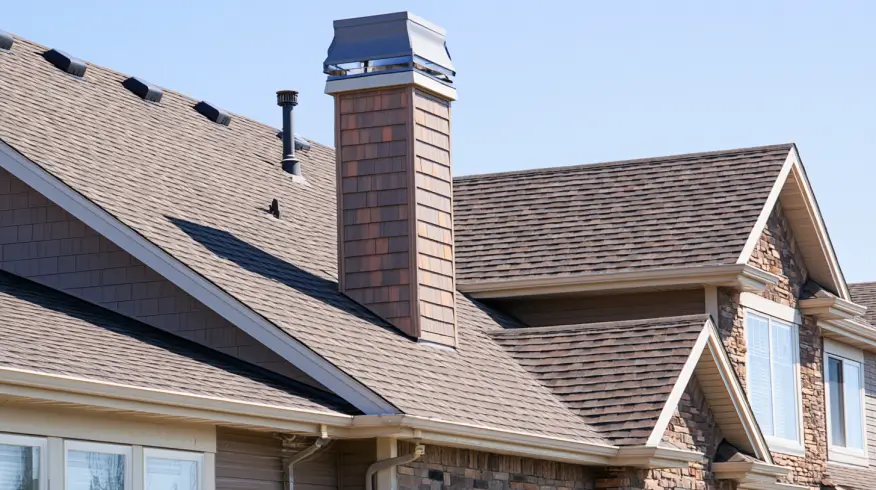
Flashing, Vents, Gutters, and Roof Edges Matter
Many wind-related leaks begin at the roof’s transition points. Chimneys, skylights, plumbing vents, wall intersections, valleys, and roof edges are common weak spots. Loose flashing can allow wind-driven rain to enter even when the main field of shingles looks intact.
Gutters also play a role. Clogged or loose gutters can trap water near the roof edge, pull on fascia, and worsen damage during storms. Tree branches should be trimmed away from the roof because impact damage and abrasion can weaken shingles before high winds arrive.
Insurance, Documentation, and Post-Storm Inspections
Insurance companies often require documentation after wind damage, and the quality of that documentation matters. Homeowners should take photos from the ground, save repair invoices, keep inspection reports, and avoid delaying repairs that could lead to additional water damage.
A wind mitigation inspection is different from a roof damage inspection. Wind mitigation focuses on features that may reduce windstorm risk and support insurance credits. A roof damage inspection focuses on whether a storm caused functional damage that needs repair or replacement. Both can be useful, especially for Florida homeowners trying to protect their property and manage insurance costs.
How to Prepare Before Hurricane Season
Before hurricane season, schedule a roof inspection, clear gutters, trim overhanging limbs, secure loose exterior items, check attic ventilation, and address small repairs before they become storm openings. Homeowners should also review their insurance policy, understand deductibles, and keep photos of the roof’s pre-storm condition.
For a deeper preparation plan, read our hurricane roof preparation content and review storm-readiness steps before severe weather is in the forecast. Preparation is always more effective than emergency repairs after wind and rain have already entered the home.
When to Call a Roofing Professional
Call a roofing professional if you see missing shingles, lifted roof materials, water stains, loose flashing, damaged vents, or debris impact marks after a storm. You should also schedule an inspection if neighboring homes show roof damage, because wind patterns can affect nearby properties in similar ways.
Steadfast Roofing provides professional roof inspections, storm damage roof repair, roof replacement guidance, and wind-focused roofing solutions for homeowners in the Tampa, FL area. If your roof has been exposed to severe wind, schedule a storm damage inspection before small vulnerabilities turn into interior damage.
Conclusion
Protecting your roof from wind damage requires more than choosing a strong material. A resilient Florida roof depends on proper installation, secure fastening, reinforced roof-to-wall connections, reliable underlayment, sealed vulnerable areas, and consistent maintenance before and after storms. By addressing shingle blow-off risks, improving wind mitigation features, documenting roof condition, and responding quickly after severe weather, homeowners can reduce damage, protect interior spaces, and improve long-term roof performance.
FAQ
1. How do I know if wind damaged my roof?
You may notice missing shingles, lifted edges, creased shingles, loose flashing, damaged vents, granules near gutters, or new water stains inside the home. Some wind damage is hidden, especially when shingles reseal after lifting. A professional inspection can identify functional damage that is not visible from the ground.
2. Do roof straps or hurricane clips help protect against wind damage?
Yes. Roof straps, hurricane clips, and wraps strengthen the connection between the roof framing and the wall structure. This helps resist uplift forces during high winds. They are especially important in hurricane-prone regions and may also be documented during a wind mitigation inspection for potential insurance benefits.
3. Can wind mitigation lower homeowners insurance in Florida?
Wind mitigation features may qualify for insurance discounts when properly documented. Eligible features can include roof deck attachment, roof-to-wall connections, hip roof shape, secondary water resistance, opening protection, and code-compliant roof coverings. Discount amounts depend on the insurer, policy, home features, and inspection documentation.