Choosing to repair or replace your roof doesn’t have to drain your savings. Whether you’re dealing with storm damage, an aging system, or a home upgrade, navigating roofing payment plans is easier than ever. At Steadfast Roofing, we’ve helped thousands of Tampa, FL, homeowners find flexible, affordable ways to protect their homes without breaking the bank. Below, we break down everything you need to know about roofing financing so that you can make smart, informed decisions without the financial stress.
🏡 Why Homeowners Are Choosing Roof Financing More Than Ever
Roofing isn’t cheap—and in Florida, it’s not optional. Between hurricanes, UV damage, and insurance changes, homeowners across Tampa Bay are realizing that delaying a new roof can cost far more down the line. That’s why roof financing is exploding in popularity. It gives homeowners control. No more waiting until leaks show up in your ceiling or your insurance drops you. With the right plan, you can act now and pay later—without raiding your savings.
💳 Types of Roof Financing Options Available
Not all roof payment plans are the same. Here’s a breakdown of the most common ways homeowners finance their roofing projects:
1. In-House Financing Through Roofing Contractors
Many roofing companies partner with financing providers to offer direct loan options. These are often quick to apply for and don’t always require perfect credit.
- Pros: Fast approvals, minimal paperwork, competitive terms.
- Cons: May include dealer fees or higher interest rates depending on credit.
2. Zero-Interest or Deferred Interest Promotional Plans
Some contractors offer “same-as-cash” or zero-interest promos for a set term (6-24 months). If paid within the term, you pay no interest.
- Pros: No interest if paid on time, easy to budget.
- Cons: Miss a payment? You might owe backdated interest.
3. Home Equity Lines of Credit (HELOCs)
If you have equity in your home, a HELOC offers low interest and long repayment windows.
- Pros: Lower APRs, tax-deductible interest in some cases.
- Cons: Riskier—your home is collateral.
4. Personal Loans From Banks or Online Lenders
Unsecured personal loans are another option. These are ideal if you want to avoid tying debt to your home.
- Pros: No home equity required, predictable fixed payments.
- Cons: Interest rates vary widely depending on credit.
5. Credit Cards
Some homeowners put roof expenses on a low-APR credit card—especially if they’re earning rewards.
- Pros: Easy to use, flexible.
- Cons: High interest if not paid quickly.

🔍 What to Look For in a Roofing Payment Plan
When comparing your options, keep these factors in mind:
- Monthly Payment Amounts: Make sure they fit your budget, even during tight months.
- Loan Terms: Longer terms = lower payments but more interest over time.
- APR (Annual Percentage Rate): This determines your true cost. Lower is better.
- Fees & Penalties: Watch for origination fees, prepayment penalties, or balloon payments.
- Credibility of the Roofing Contractor: Only work with reputable, licensed roofers who offer transparent terms.
💡 Pro Tips for Getting Approved Faster
Want to speed up your financing? Do this:
- Check Your Credit First: Most financing programs use soft credit pulls upfront. Know your score before applying.
- Have Income Info Ready: Lenders want to see stability. Recent pay stubs or tax returns help.
- Apply Through the Contractor: Roofers often have pre-approved plans tailored to their customers. This streamlines everything.
🛑 Common Mistakes to Avoid
Homeowners often rush into a plan just to get it done. Here’s what not to do:
- Ignoring the Fine Print: Always read your terms. A 0% intro rate might jump after 12 months.
- Going With the First Offer: Shop around. A lower APR elsewhere could save thousands.
- Choosing a Cheap Roof Just to Lower Payments: It’s tempting—but a low-end roof often means higher long-term costs. Think durability.
🌴 Special Considerations for Florida Homeowners
Florida’s roofing needs are unique. Intense sun, high humidity, hurricanes, and strict insurance regulations make a strong, compliant roof essential.
Financing your roof in Florida isn’t just about convenience—it’s often about staying insured. Many insurance carriers now require full roof replacements if the system is 10+ years old, regardless of visible damage.
This means a financing plan could literally be the difference between keeping and losing your homeowners’ insurance.
📈 How Much Does Roof Financing Typically Cost?
Here’s a quick snapshot:
| Roof Cost | Estimated Monthly Payment (10yr term @ 9.99%) |
|---|---|
| $10,000 | ~$132/month |
| $15,000 | ~$199/month |
| $20,000 | ~$265/month |
These are just examples—real rates vary based on credit, term length, and lender.
🧰 Does Roof Financing Cover More Than Shingles?
Absolutely. A good roofing payment plan can cover:
- Full roof replacements
- Repairs after storms or wind damage
- Upgraded underlayment or ventilation
- Secondary water barriers
- Permit fees and disposal
- Extended warranties
Just make sure to get a detailed estimate from your contractor outlining what’s included.
✅ How to Apply for Roofing Payment Plans
The process is usually fast and painless:
- Get a Roof Inspection & Quote
- Discuss Financing Options With Your Roofer
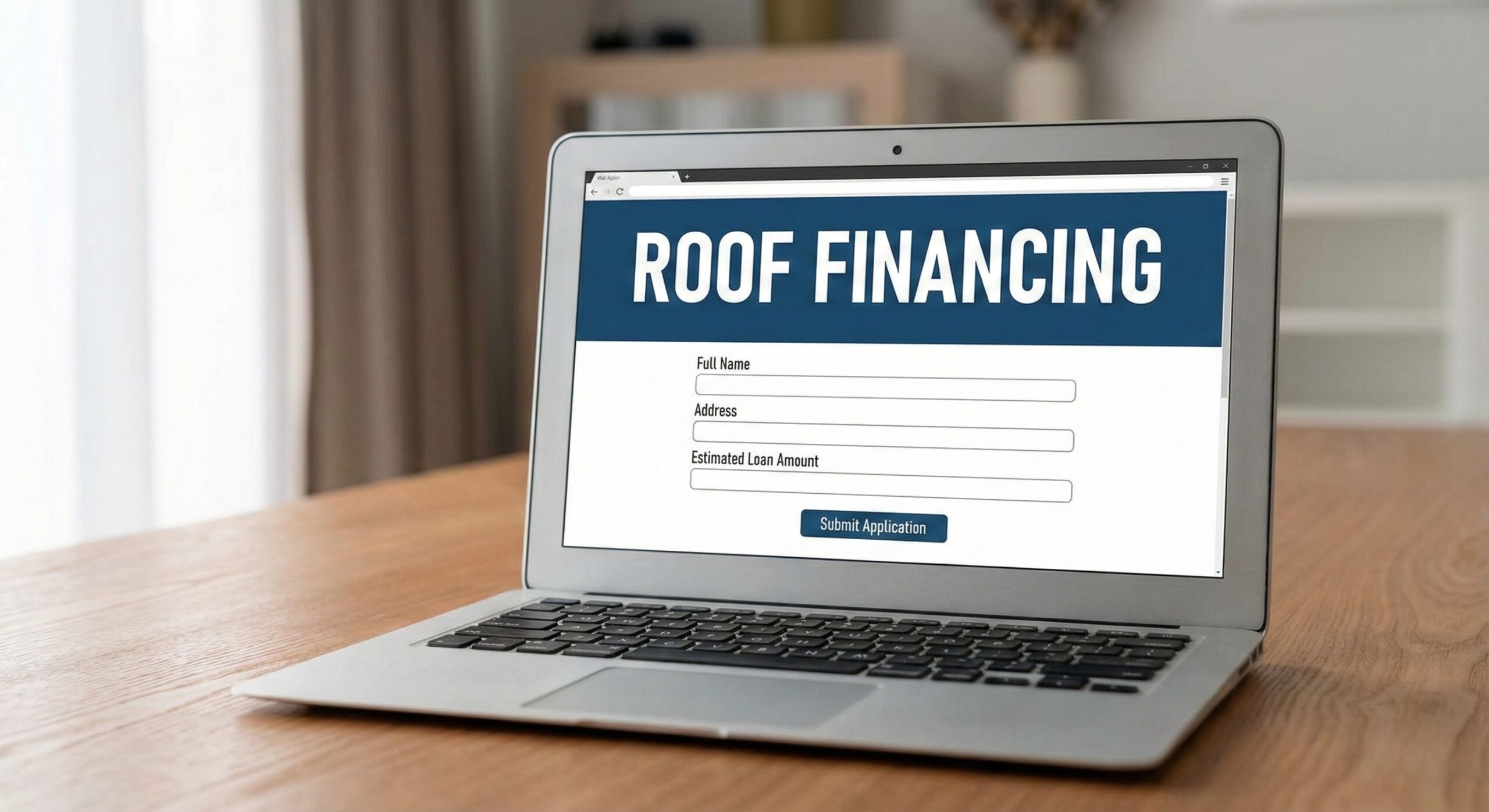
- Submit a Quick Online Application
- Review & Sign Terms
- Schedule Your Roof Project
In most cases, you’ll be approved the same day and can schedule installation immediately.
CONCLUSION
Replacing your roof is one of the most important home investments you’ll ever make. And thanks to today’s roofing payment plans, it’s also one of the most accessible. Whether you’re facing storm damage or planning a full upgrade, don’t let cost delay your protection. With the right financing option, you can take action now and pay in a way that works for your lifestyle and your budget. Ready to make it happen? Start with a trusted local expert—Steadfast Roofing—and take the first step toward a safer, smarter home.
Take a moment to read one of our latest blogs: “Why Your Roof Looks Wavy: Causes, Risks, and Real Solutions for Homeowners”.