When a roof needs repair or replacement, the lowest bid can feel tempting—but hiring an unlicensed roofer can expose your home to serious financial, legal, insurance, and safety risks. At Steadfast Roofing, we believe Florida homeowners deserve clear information before trusting anyone with their roof, especially in a state where wind, rain, heat, humidity, and hurricane exposure leave very little room for poor workmanship.
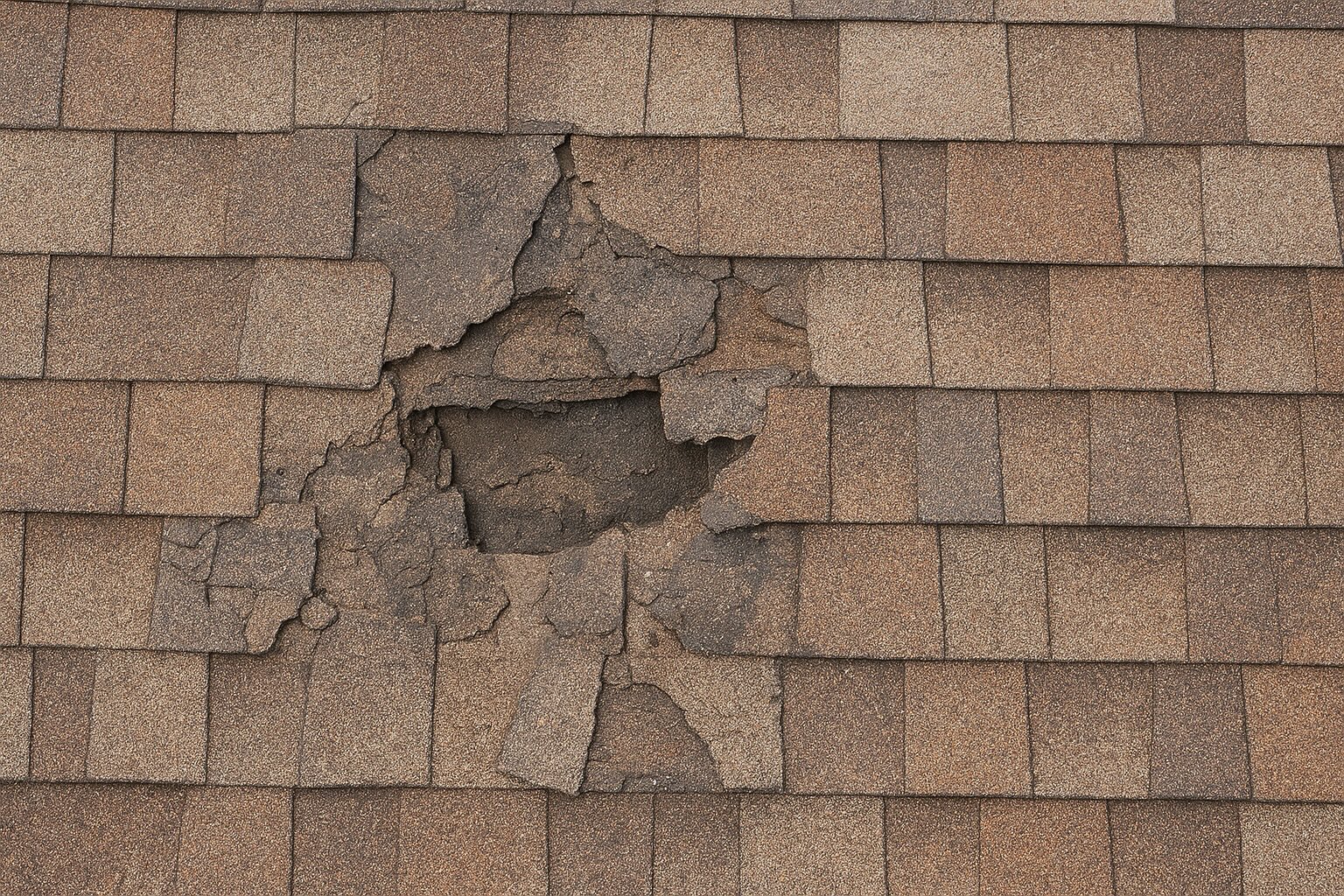
A roofing project is not just exterior home improvement. It affects structural protection, storm resistance, attic ventilation, water intrusion prevention, insurance documentation, resale value, and code compliance. When an unlicensed contractor cuts corners, the damage may not appear immediately. It often shows up months later as leaks, failed inspections, denied insurance claims, mold growth, loose shingles, rotted decking, or premature roof failure.
Why Roofing Licenses Matter in Florida
Florida roofing is highly regulated because the work directly impacts life safety and property protection. A legitimate roofing contractor must have the proper licensing, experience, knowledge, and skill to install, repair, alter, maintain, waterproof, and replace roofing systems. Homeowners can verify licensing through the official Florida DBPR license search before signing any roofing contract.
This step matters because a license is not just a piece of paper. It shows that the contractor is accountable to state requirements, can be checked through public records, and is expected to follow applicable building codes, permitting rules, and professional standards. Florida law also defines the scope of a roofing contractor under Chapter 489 of the Florida Statutes, which helps clarify why roofing work should not be treated like basic handyman work.
An unlicensed roofer may offer a lower price because they are avoiding the costs that responsible contractors carry: licensing, insurance, workers’ compensation, training, code compliance, proper supervision, quality control, and warranty-backed installation practices.

The Biggest Financial Risk: You May Pay Twice
The most common reason homeowners hire an unlicensed roofer is cost. The problem is that a cheap roof repair can become very expensive when the work fails.
Unlicensed roofers often operate with limited documentation, vague estimates, no written workmanship warranty, and little accountability after payment is collected. If the roof leaks again, shingles lift, flashing fails, or decking damage was covered instead of corrected, the homeowner may have no practical path to resolution.
Common financial consequences include:
- Paying a licensed contractor later to remove and redo defective work
- Repairing interior water damage caused by poor installation
- Replacing mold-contaminated drywall or insulation
- Losing manufacturer warranty eligibility because materials were not installed correctly
- Paying permit correction fees or code-related repair costs
- Facing lower buyer confidence during resale inspections
A licensed roofing contractor may cost more upfront, but the price reflects a more complete system: proper materials, trained labor, documentation, permitting, insurance coverage, and a company that can be held accountable.
Insurance Problems Homeowners Often Overlook
Hiring an unlicensed roofer can create serious insurance complications. Homeowners often assume their insurance policy will protect them if something goes wrong, but unlicensed or unpermitted work can create coverage disputes.
If an unlicensed worker gets hurt on your property and does not carry proper workers’ compensation coverage, the situation can become financially dangerous. If the contractor damages your home and has no general liability insurance, you may be left fighting for recovery on your own.
Storm claims can become even more complicated. After a hurricane, tropical storm, or severe wind event, insurance carriers may examine roof condition, prior repairs, installation quality, and documentation. If the roof was repaired improperly, installed without permits, or altered by an unlicensed contractor, the claim process can become harder to support.
Before hiring any roofer, ask for proof of:
- Active Florida roofing license
- General liability insurance
- Workers’ compensation coverage or valid exemption documentation
- Written scope of work
- Permit responsibility
- Warranty terms
- Company name, physical address, and contact details
A trustworthy contractor should provide these items without hesitation.
Permit and Building Code Issues Can Follow the Home
Roofing work in Florida often requires permitting, inspections, and compliance with current building code requirements. Unlicensed roofers may avoid permits to keep the job cheap, fast, and invisible. That shortcut can create long-term problems for the homeowner.
Unpermitted roofing work can lead to failed inspections, forced corrections, municipal penalties, insurance concerns, and closing delays when selling the home. A future buyer, inspector, insurance carrier, or lender may question the quality and legality of the roof if records do not match the work performed.
Permits are not just bureaucracy. They help confirm that major roofing work is performed under recognized standards. In Florida, that can include requirements related to underlayment, fastening patterns, wind resistance, flashing, roof deck attachment, ventilation, and product approvals.
Before accepting a roofing bid, homeowners should review our guide to Florida roofing license requirements to understand how licensing, insurance, and contractor verification protect them from costly mistakes.
Poor Workmanship Can Damage the Entire Roofing System
A roof is a system, not a single layer of shingles, tile, or metal panels. When one part is installed incorrectly, other parts can fail. Unlicensed roofers may focus only on what is visible from the street while ignoring the components that actually protect the home.
Poor workmanship may include:
- Incorrect nail placement or overdriven fasteners
- Reused or poorly installed flashing
- Missing drip edge or starter strip
- Inadequate underlayment
- Poor valley installation
- Improper ventilation balance
- Failure to replace rotted decking
- Incorrect pipe boot or vent flashing installation
- Mismatched materials
- Sealant used as a substitute for proper roofing detail
These mistakes are especially risky in Florida. High humidity can accelerate moisture problems. Wind-driven rain can expose weak flashing. Heat can stress materials. Storm season can turn small installation defects into active leaks.
Manufacturer Warranty Problems
Many roofing products come with manufacturer warranty options, but those warranties usually depend on proper installation. If materials are installed by someone who is not qualified, not approved, or not following manufacturer specifications, warranty protection may be reduced, limited, or unavailable.
That means the homeowner may believe the roof is protected when it is not. A warranty is only valuable when the installation meets the requirements behind it.
Licensed, reputable roofers understand how product selection, installation methods, ventilation, and documentation affect warranty coverage. They also know when a repair is appropriate and when a roof replacement is the more responsible recommendation.
Red Flags That a Roofer May Be Unlicensed
Homeowners should slow down immediately if a roofer:
- Refuses to provide a license number
- Says a permit is unnecessary without explaining why
- Asks the homeowner to pull an owner-builder permit
- Only accepts cash
- Has no written contract
- Uses a personal name instead of a registered business
- Cannot provide proof of insurance
- Offers a price far below other estimates
- Pressures you to sign immediately after a storm
- Has no verifiable local reviews
- Avoids written warranty details
- Cannot explain materials, code requirements, or installation steps
A professional contractor welcomes informed questions. An unlicensed roofer often relies on urgency, confusion, and price pressure.
How to Check a Roofing Contractor Before You Hire
Before signing a contract, take these practical steps:
- Search the contractor’s license through the Florida DBPR database.
- Confirm the license name matches the company or qualifying agent.
- Ask for current insurance certificates.
- Confirm who will pull the permit.
- Review the written scope of work line by line.
- Ask what happens if damaged decking is discovered.
- Confirm cleanup, disposal, and magnet sweeping.
- Ask for photo documentation during the project.
- Read recent customer feedback and look for project consistency.
- Avoid contractors who cannot explain their process clearly.
You can also learn more about our company values on our About page and see what local homeowners say in our customer reviews.
Why Licensed Roofing Protects Home Value
A properly installed roof does more than stop leaks. It supports home value, insurance confidence, storm readiness, and long-term peace of mind. Buyers want to know that a roof was installed legally, professionally, and with documentation. Insurance carriers want evidence that the roof was maintained and repaired correctly. Homeowners want confidence that their investment will hold up when Florida weather becomes severe.
Working with Steadfast Roofing located in Ruskin, FL gives homeowners a local team that understands Florida roof systems, permitting expectations, storm exposure, and the importance of transparent communication from inspection through completion.
Conclusion
Hiring an unlicensed roofer may look like a quick way to save money, but the hidden risks can be far greater than the initial discount. Poor workmanship, missing permits, insurance complications, injury liability, failed inspections, voided warranties, and premature roof failure can turn a low-cost roofing job into a major financial burden.
Before trusting anyone with your roof, verify the license, confirm insurance, review the written scope, check local reviews, and make sure permits and code requirements are handled correctly. A roof protects everything beneath it. Choosing a licensed, insured, and accountable roofing contractor is one of the most important decisions a Florida homeowner can make.
FAQ
How do I verify if a roofer is licensed in Florida?
You can verify a roofing contractor through the Florida DBPR license search. Ask the roofer for their license number, then confirm that the license is active, properly classified for roofing work, and connected to the contractor or company you are considering. Do not rely only on a logo, business card, truck wrap, or verbal promise.
Can an unlicensed roofer legally repair my roof in Florida?
Roofing work that falls under regulated contractor activity should be performed by a properly licensed contractor. Small handyman-style tasks are not the same as roof replacement, structural roof repair, waterproofing, or storm-damage restoration. When in doubt, homeowners should verify licensing before work begins and avoid anyone who refuses to provide license and insurance documentation.
What happens if roof work was done without a permit?
Unpermitted roof work can create problems with inspections, insurance, resale, and future repairs. A local building department may require corrections, additional inspections, or documentation. If the work was also done poorly, the homeowner may need to hire a licensed roofing contractor to evaluate the roof, identify code or installation concerns, and recommend the safest path forward.