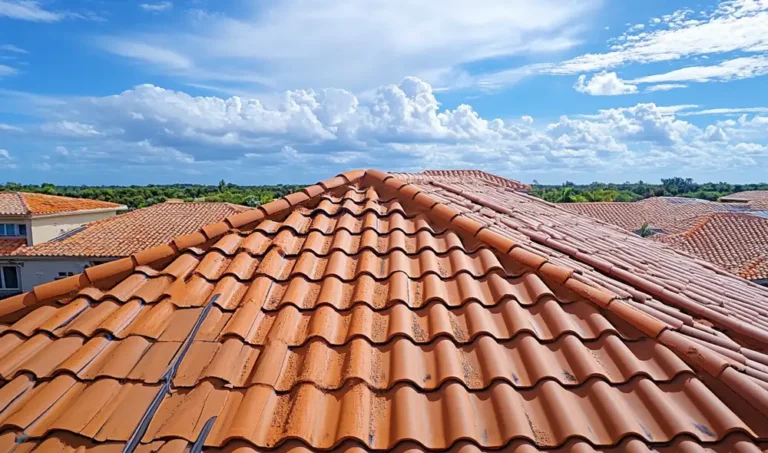
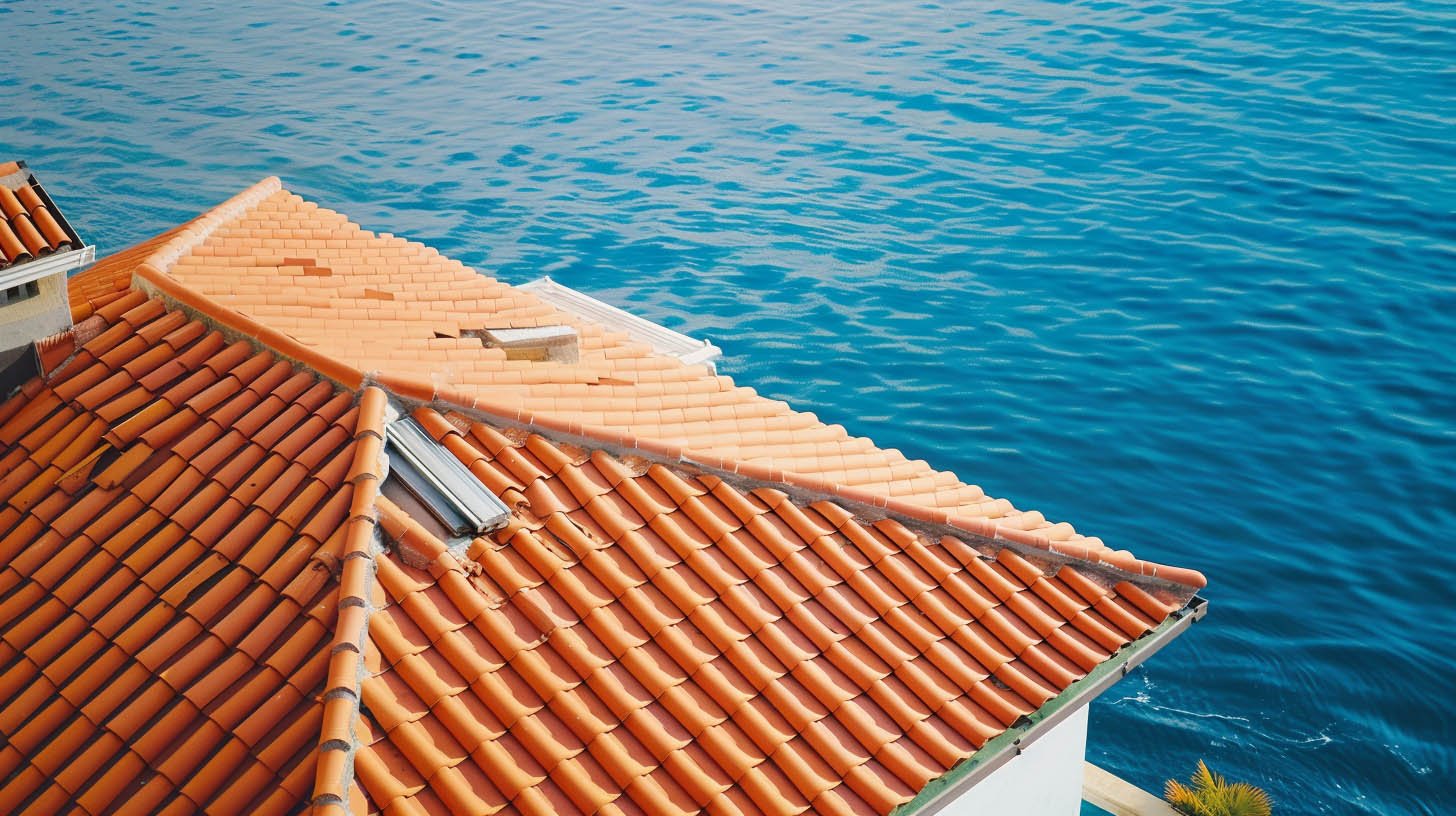
Living in coastal Florida offers beautiful views and sunny days, but it also presents unique challenges for your home. The constant salt air, while pleasant, can be tough on your roofing material. At Steadfast Roofing, we understand the local climate in Tampa, FL. We are here to help you navigate the impact of the coastal environment on your roof and ensure your home stays protected for years to come.
Understanding Salt Air and Its Unique Challenges in Coastal Florida
Coastal Florida presents a challenging environment for roofing due to the relentless effects of salt air. This salty atmosphere, combined with high humidity and UV rays, accelerates corrosion and degradation of roofing materials. Regular inspections become crucial in identifying early signs of corrosion and potential issues. Selecting the right roofing material is essential; the integrity of your roof relies on quality roofing systems capable of resisting salt exposure. Coastal conditions demand proactive maintenance to prevent costly repairs and ensure the longevity of roofing components.
What Makes Tampa’s Environment Tough on Roofs
Tampa’s unique coastal climate presents several challenges for roofing materials, primarily due to high humidity and frequent salt exposure. The combination of salt particles in the air and strong winds contributes to accelerated deterioration of roofing systems. Additionally, UV rays from the sun further diminish the integrity of roofing materials, leading to early signs of corrosion. Regular inspections and maintenance become essential to identify potential issues before they escalate into significant damage, ensuring the longevity and performance of your roof.
How Salt Air Causes Roof Corrosion and Degradation
Salt air poses a significant threat to roofing systems, primarily due to the salt particles that permeate the environment. These particles can lead to salt corrosion, weakening the integrity of your roof and compromising its protective layer. Combined with high humidity and UV rays, these elements accelerate the degradation of materials, especially those containing metal components. Left unaddressed, early signs of corrosion may evolve into costly repairs, severely impacting the lifespan and performance of roofing systems in coastal regions.
Effects of Salt Air on Common Roofing Materials
Salt air presents unique challenges for various roofing materials used in coastal homes. Asphalt shingles, while popular, are often susceptible to early signs of corrosion and salt buildup, leading to significant damage over time. Conversely, metal roofs stand out as a strong option, enjoying heightened resistance to rust and salt corrosion. Regular inspections and proper maintenance are essential for all roofing systems, ensuring that protective layers maintain their integrity and extend the life of your roof against the harsh coastal environment.
Performance of Asphalt Shingles Near the Coast
Asphalt shingles can face significant challenges in coastal regions due to harsh coastal environments. Salt air and moisture can accelerate wear, leading to early signs of corrosion and degradation. While not the premier choice for coastal roofing, using high-quality asphalt shingles with protective coatings can enhance longevity and performance. Regular inspections and maintenance are essential to mitigate potential issues, ensuring that your roofing system remains intact and provides adequate protection against coastal conditions, UV rays, and storm damage.
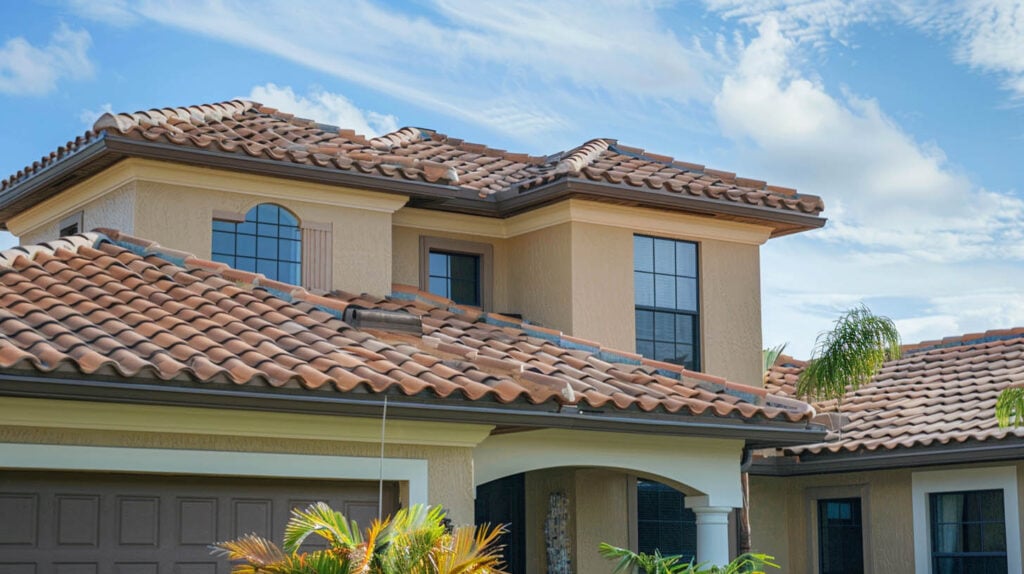
Metal Roofs and Salt-Induced Wear in Florida
Metal roofs often represent a strong option for homeowners in Florida’s coastal regions due to their resilience against harsh coastal conditions. However, exposure to salt air can still lead to significant wear, particularly affecting metal components. The salt particles can accumulate, creating salt deposits that contribute to corrosion over time. Regular inspections play a crucial role in identifying early signs of corrosion, ensuring that the integrity of your roof is maintained and preventing costly repairs. Implementing protective coatings can also enhance durability and performance in this demanding environment.
Advantages of Metal Roofing in Coastal Areas
A robust choice for coastal homes, metal roofing offers exceptional resistance to the demanding conditions of salty air and high humidity. Its ability to withstand salt corrosion significantly extends the life of your roof, providing peace of mind against potential water intrusion and storm damage. Coupled with a protective coating, metal roofs require less maintenance, ensuring that homeowners enjoy both energy efficiency and reduced costs associated with costly repairs. Opting for metal is a decision that can make a big difference in harsh coastal environments.
Why Owens Corning
Metal roofing from brands like Owens Corning stands out in coastal areas due to their exceptional durability against harsh coastal conditions. These materials are engineered to resist salt corrosion and water intrusion, ensuring the longevity and integrity of your roof. With protective layers and advanced technology, they provide superior energy efficiency and low maintenance requirements, making them an excellent choice for homeowners seeking peace of mind. Regular inspections further enhance their performance, mitigating the risk of costly repairs over time.
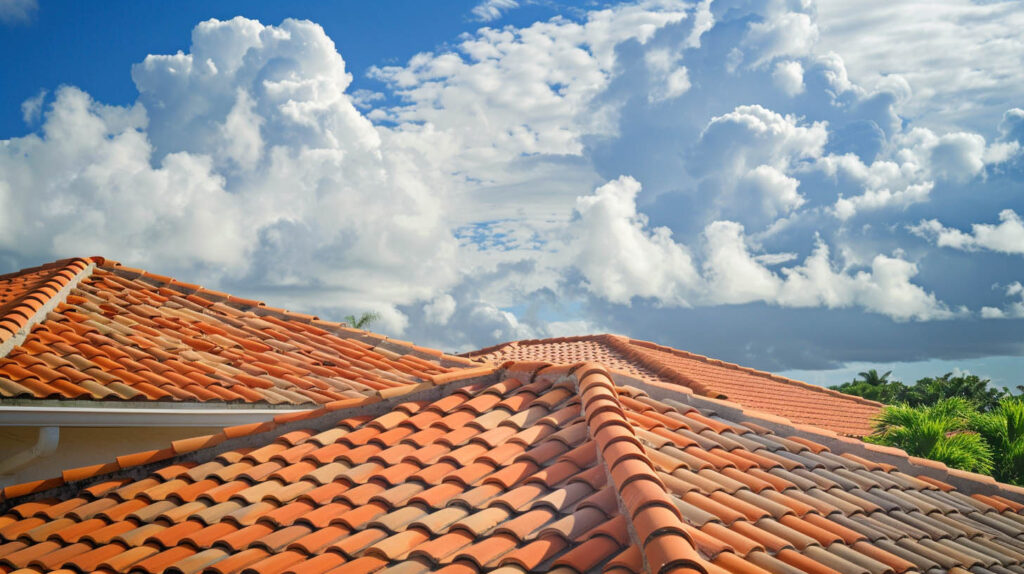
Resistance to Rust, Corrosion, and Coastal Weather
Durable roofing materials are essential for withstanding the unique challenges posed by Tampa’s coastal environment. Metal roofs, specifically those treated with protective coatings, exhibit remarkable resistance to rust and salt corrosion. These roofing systems serve as the first line of defense against salt air damage, fresh water intrusion, and storm conditions. By utilizing high-quality roofing materials, homeowners can significantly extend the life of their roof while minimizing costly repairs. Regular inspections and maintenance further enhance their capability to endure the rigors of coastal weather.
Protective Coatings and Treatments for Salt Air Exposure
For homeowners who want to maximize their roof’s longevity, a protective coating offers a powerful solution. Applying a specialized treatment can provide extra protection against the constant barrage of salt spray. This is an effective way to fortify your roofing system, whether it is new or existing, against the harsh coastal elements.
These coatings are specifically formulated for coastal roofing applications. They create a seamless, water-resistant barrier that seals out salt and moisture. This prevents corrosive elements from penetrating the roofing material, stopping damage before it can begin and extending the life of your entire roof.
Get in Touch
In summary, navigating the challenges posed by coastal air requires a proactive approach to roofing maintenance. By selecting quality roofing materials and implementing protective coatings, homeowners can effectively mitigate the effects of salt damage and enhance the integrity of their roof. Regular inspections and routine cleaning not only promote longevity but also significantly reduce the likelihood of costly repairs.
Frequently Asked Questions
What maintenance schedule is best for coastal roofs in Tampa?
For coastal roofing in Tampa, we recommend routine inspections twice annually. This allows a professional to check for early signs of wear or salt buildup. Regular maintenance is crucial to catch potential issues before they become costly problems and extend the life of your roof.
Which roofing materials hold up best in coastal Florida?
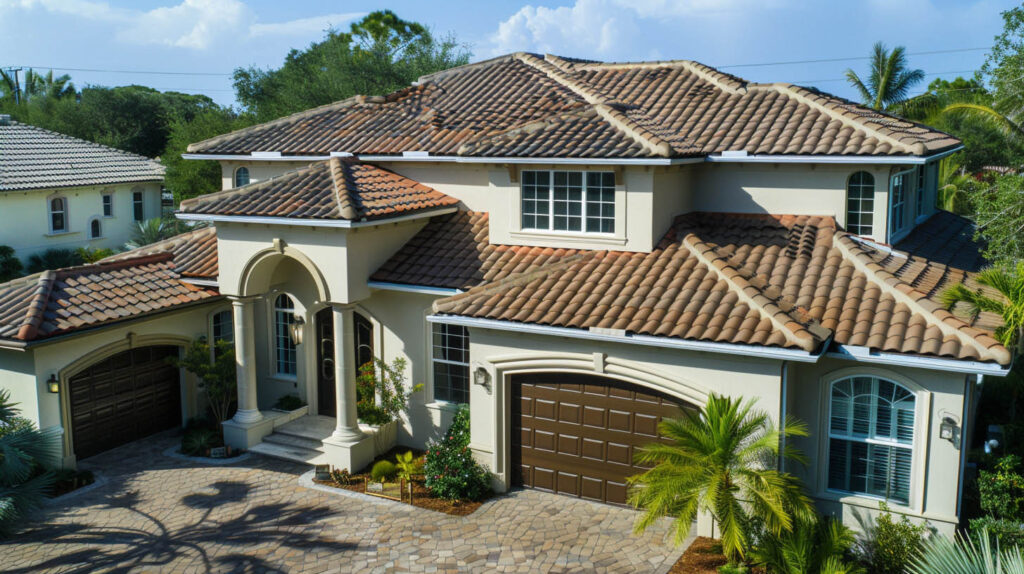
High-quality metal roofs and certain tile systems are excellent choices for our coastal environment. These materials are designed to resist salt exposure and high winds. While asphalt shingles can be used, they often require more diligent maintenance to perform well near the coast.
Read our blog: How Florida’s Wildlife Can Damage Your Roof and What to Do About It