

A leaky roof is never just a roofing problem. For Florida homeowners, it can become a structural, financial, health, and insurance issue faster than many people expect. At Steadfast Roofing, we help homeowners identify roof leaks early, stop moisture intrusion at the source, and protect their homes before a small drip turns into widespread damage.
Why Roof Leaks Are Especially Dangerous in Florida
Florida homes face a harsh combination of heavy rain, tropical storms, high humidity, salt air, intense UV exposure, and sudden wind-driven downpours. When a roof system has even one weak point—cracked flashing, missing shingles, lifted tiles, damaged underlayment, clogged valleys, or deteriorated sealant—water can travel beneath the visible roof surface and enter the attic, decking, insulation, walls, and ceilings.
The most dangerous roof leaks are often the ones homeowners do not see right away. Water can run along rafters, collect behind drywall, soak insulation, or remain trapped under roofing materials before a ceiling stain appears. By the time the leak becomes visible indoors, the moisture may already have affected multiple layers of the home.
That is why scheduling a professional roof leak repair inspection at the first sign of water intrusion is one of the smartest steps a homeowner can take.

Hidden Moisture Can Destroy Roof Decking
Roof decking is the wood sheathing beneath your roofing material. It supports the roof covering, holds fasteners, and helps maintain the roof’s structural strength. When water gets through the outer roofing layer, decking is often one of the first components to suffer.
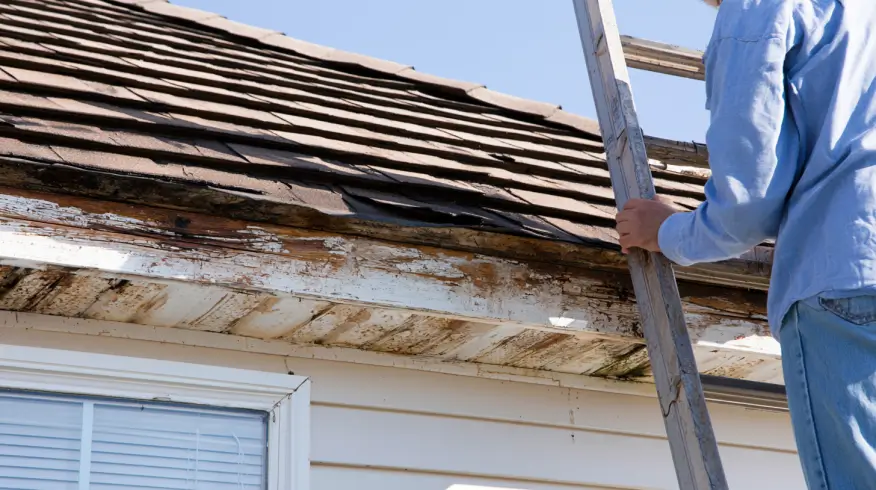
Moisture-damaged decking may begin to soften, swell, delaminate, or rot. Over time, this can cause spongy areas, sagging roof planes, loose fasteners, and weakened attachment points for shingles, tiles, or metal panels. In severe cases, rotted decking must be removed and replaced before any lasting roof repair can be completed.
Florida’s humidity makes this problem worse because wet materials do not always dry quickly. Even after rain stops, trapped moisture can remain beneath underlayment or inside the attic, slowly breaking down wood fibers. Ignoring the leak gives water more time to spread beyond the original entry point.
Changes in your roof’s appearance can also point to hidden moisture damage. When leaking water causes plywood or OSB decking to swell, warp, or deteriorate, the shingles above it may develop visible waves or uneven areas. However, waviness can also result from installation issues or other conditions, so appearance alone cannot confirm a leak. Our guide to why your roof looks wavy explains the possible causes and warning signs. If uneven areas appear alongside ceiling stains or damp attic insulation, arrange a professional inspection to identify the source.
Mold Growth Can Begin Quickly After Water Intrusion
A roof leak creates the exact condition mold needs most: moisture. The EPA’s mold guidance explains that controlling moisture is the key to controlling mold growth, and damp materials should be dried quickly to reduce risk.
In a Florida home, mold can develop in attic insulation, plywood decking, drywall, ceiling cavities, closets, and HVAC-adjacent spaces. Once spores spread, the problem may no longer be limited to the roof. Homeowners may notice musty odors, dark staining, allergy-like symptoms, or persistent indoor humidity.
Mold remediation is often far more expensive than early roof leak repair. The longer water remains active, the more likely the home will need drywall removal, insulation replacement, air quality assessment, and professional cleaning in addition to roofing work.
Wet Insulation Raises Energy Costs
Insulation is designed to slow heat transfer, but it loses effectiveness when saturated. A roof leak that soaks attic insulation can make the home hotter, less comfortable, and more expensive to cool.
In Ruskin, Tampa, Riverview, Pinellas Park, Sarasota, and surrounding Gulf Coast communities, air conditioning already works hard for much of the year. Wet insulation forces the HVAC system to work even harder because the attic is no longer properly buffered from heat and humidity.
Signs of insulation-related leak damage may include uneven room temperatures, rising utility bills, damp attic odors, visible ceiling stains, or insulation that appears compressed, darkened, or clumped. Repairing only the ceiling stain without fixing the roof leak does not solve the source of the problem.

Small Leaks Can Lead to Major Interior Damage
Water follows gravity, but it does not always travel in a straight line. A leak near a vent pipe may show up as a stain several feet away. A flashing failure near a chimney may run down framing and appear inside a wall. A roof valley leak may affect fascia, soffit, ceiling drywall, and insulation before the homeowner notices active dripping.
Common interior damage from ignored roof leaks includes:
- Brown or yellow ceiling stains
- Peeling paint or bubbling drywall
- Warped trim or baseboards
- Musty odors in rooms or closets
- Sagging ceiling sections
- Damaged flooring
- Stained attic framing
- Wet or compacted insulation
Once water enters finished living spaces, the repair cost usually increases. Instead of repairing one roof penetration or replacing a small section of damaged material, the project may involve drywall, paint, insulation, electrical evaluation, flooring, and mold prevention.
Electrical Hazards Should Never Be Ignored
Roof leaks become especially dangerous when water reaches wiring, recessed lighting, ceiling fans, junction boxes, outlets, or electrical panels. Moisture can corrode components, increase the risk of short circuits, and create fire or shock hazards.
Homeowners should never touch wet electrical fixtures or ignore ceiling stains near lighting. If water is dripping near electrical components, the safer response is to avoid the area, shut off power to the affected circuit if it can be done safely, and call qualified professionals.
A roofing contractor can identify and stop the water entry point, but electrical components should be evaluated by a licensed electrician when moisture exposure is suspected.
A Leaky Roof Can Attract Pests
Moisture-damaged areas can attract insects and rodents. Softened wood, damp insulation, and small roof openings may create favorable conditions for termites, carpenter ants, roaches, rats, squirrels, or other pests.
Once pests enter through a compromised roof area, they can worsen the damage by chewing insulation, wiring, fascia, soffits, or attic materials. What began as a minor roof leak can become a combined roofing, pest control, insulation, and structural repair issue.
This is one reason we recommend prompt roof leak inspections after major storms, fallen branches, visible shingle damage, tile cracks, or unexplained attic moisture.
Insurance Risks Increase When Repairs Are Delayed
Florida homeowners should take roof leaks seriously from an insurance standpoint. Policies vary, but insurance carriers commonly expect homeowners to maintain the property and take reasonable steps to prevent further damage after a loss.
Florida law also places time limits on certain property insurance claims. Under Florida Statute 627.70132, many property insurance claims or reopened claims must be reported within one year after the date of loss, while supplemental claims have separate timing rules.
Delaying repairs can create problems because the insurer may question whether the damage was sudden, storm-related, maintenance-related, or worsened by neglect. A documented roof inspection, dated photos, repair records, and prompt action can help homeowners preserve a clearer timeline.
Steadfast Roofing does not decide insurance coverage, but we do help homeowners understand the visible roof damage, document conditions, and determine whether repair or replacement is the more appropriate roofing solution.
Warning Signs That a Roof Leak Needs Immediate Attention
Homeowners should schedule a leak inspection when they notice any of the following:
- Water stains on ceilings or walls
- Dripping during or after rain
- Musty attic or closet odors
- Missing, lifted, cracked, or curled shingles
- Broken or displaced roof tiles
- Rusted, loose, or cracked flashing
- Soft spots on the roof deck
- Granules collecting in gutters
- Stains around vents, skylights, or chimneys
- Peeling paint near ceiling lines
- Damp insulation in the attic
After a Florida storm, even subtle damage deserves attention. Wind can lift roofing materials without fully removing them, allowing water to enter during the next rain.
Why Professional Leak Detection Matters
A roof leak inspection should do more than identify the stain on the ceiling. The goal is to trace the leak back to its source, evaluate surrounding materials, and determine whether the issue is isolated or part of a broader roof system failure.
A proper inspection may include checking:
- Roof penetrations and vent boots
- Flashing around walls, chimneys, and skylights
- Valleys and drainage paths
- Shingle, tile, metal, or flat roof membrane condition
- Underlayment failure points
- Attic moisture patterns
- Decking softness or staining
- Fascia, soffit, and gutter conditions
- Storm-related impact or wind damage
When homeowners only patch the visible symptom, the leak often returns. A lasting repair requires correcting the actual entry point and replacing materials that can no longer perform.
The Cost of Waiting Is Almost Always Higher
Early roof leak repair may involve replacing damaged shingles, sealing flashing, repairing a vent boot, correcting a valley issue, or addressing a localized section of underlayment. Delayed repairs can require decking replacement, insulation removal, mold remediation, drywall repair, paint work, and broader roof restoration.
In many cases, the difference between a manageable repair and a major renovation is time. Water damage compounds. The longer moisture remains active, the more materials it reaches.
For homeowners in Ruskin and nearby Florida communities, Steadfast Roofing provides leak inspections and practical repair recommendations designed to stop water intrusion before it becomes a larger property problem.

Schedule a Roof Leak Inspection Before Damage Spreads
If you suspect a leak, do not wait for the next storm to confirm it. Water stains, musty odors, missing roofing materials, and attic moisture are all signs that the roof system needs immediate attention.
A professional inspection can determine whether the leak requires a small repair, more extensive roof work, or closer evaluation of hidden damage. Acting early protects the roof structure, indoor air quality, energy efficiency, property value, and insurance documentation.
Conclusion
Ignoring a leaky roof can lead to far more than a stained ceiling. In Florida’s humid, storm-prone climate, roof leaks can cause mold growth, decking rot, insulation failure, electrical hazards, pest activity, interior damage, and insurance complications. The safest and most cost-effective approach is to address leaks as soon as warning signs appear. A timely roof leak inspection helps identify the source, limit hidden moisture damage, and protect the long-term value of the home.
FAQ
How serious is a small roof leak?
A small roof leak can be very serious because the visible drip or stain may represent only a fraction of the actual moisture path. Water can spread through decking, insulation, rafters, and drywall before it appears indoors. Even if the leak only happens during heavy rain, it should be inspected quickly to prevent mold, rot, and interior damage.
Can a roof leak cause mold in Florida homes?
Yes. Florida’s humidity makes mold risk higher when roof leaks are ignored. Moisture trapped in attic insulation, drywall, or roof decking can create conditions where mold spreads. The best prevention is to stop the leak, dry affected materials quickly, and replace materials that cannot be safely dried or restored.
Should I repair a roof leak or replace the roof?
The answer depends on the age of the roof, the extent of the damage, the condition of the underlayment and decking, and whether the leak is isolated or part of a larger roof system failure. A localized leak on an otherwise healthy roof may be repairable, while repeated leaks, widespread storm damage, soft decking, or aging materials may point toward replacement.